News search
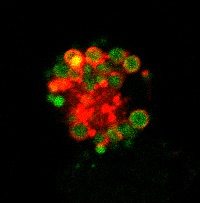 Research 3 Apr 2020 Published in Nature Communications, the study suggests that it may be possible to regulate the number and activity of these macrophages with drugs that modulate the nuclear receptor RXR |
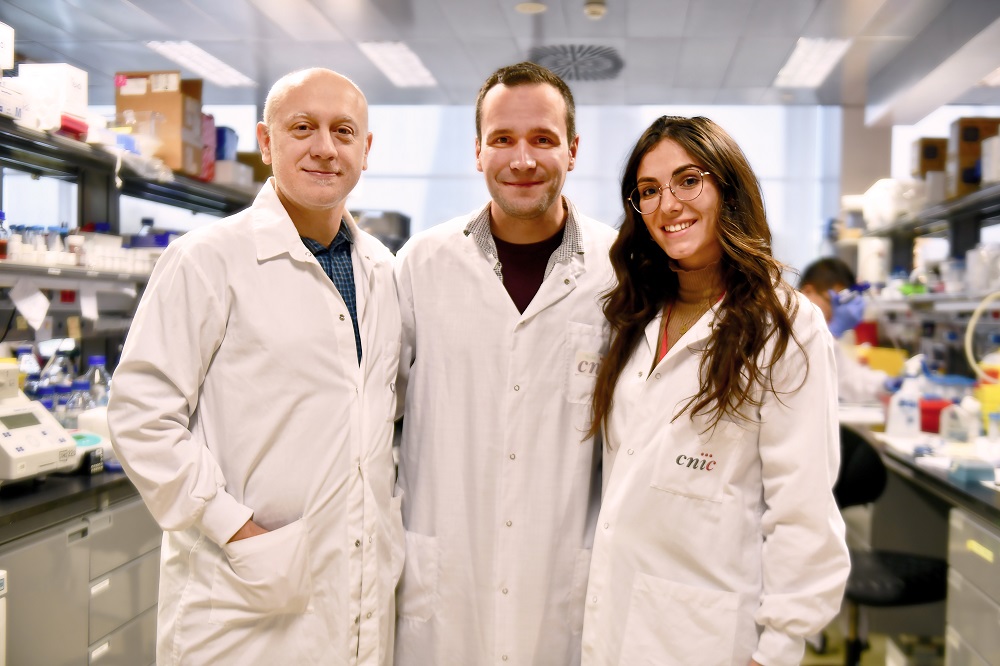 Research 14 Jan 2020 The newly identified immune control system is located within one of the most important cell types of the immune system, the neutrophil |
 Research 26 Mar 2019 The results, published in JACC, demonstrate the potential of this technology to generate images of the inflammation associated with systemic atherosclerosis; this information will be useful for the study of early stages of this disease and will help to identify individuals who will benefit from early medical intervention |
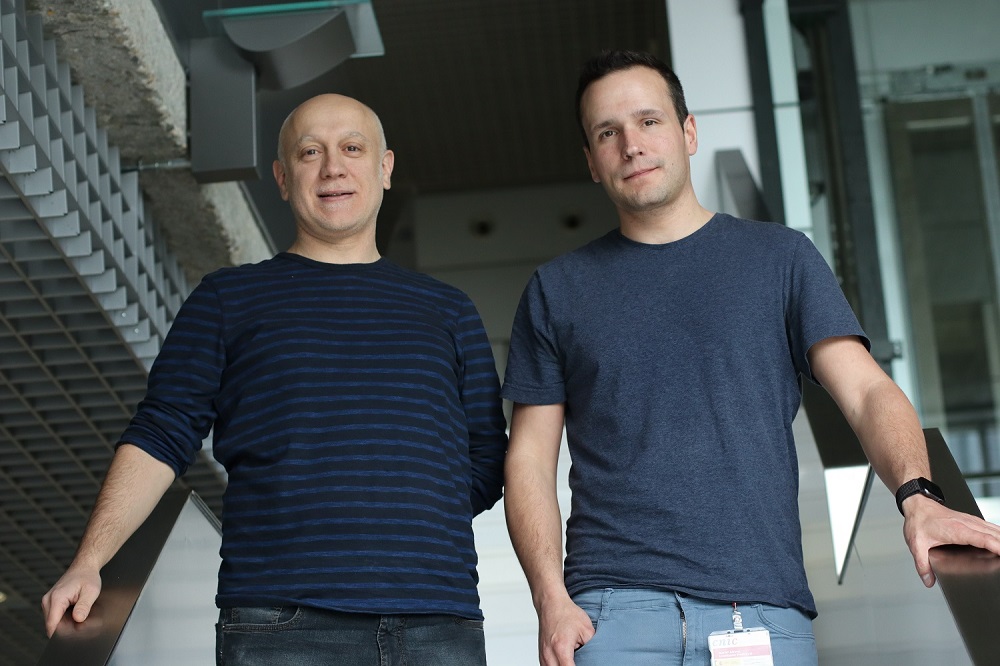 Research 30 Jan 2019 Neutrophils are the body’s main line of defense, but their action can also damage healthy cells in the cardiovascular system |
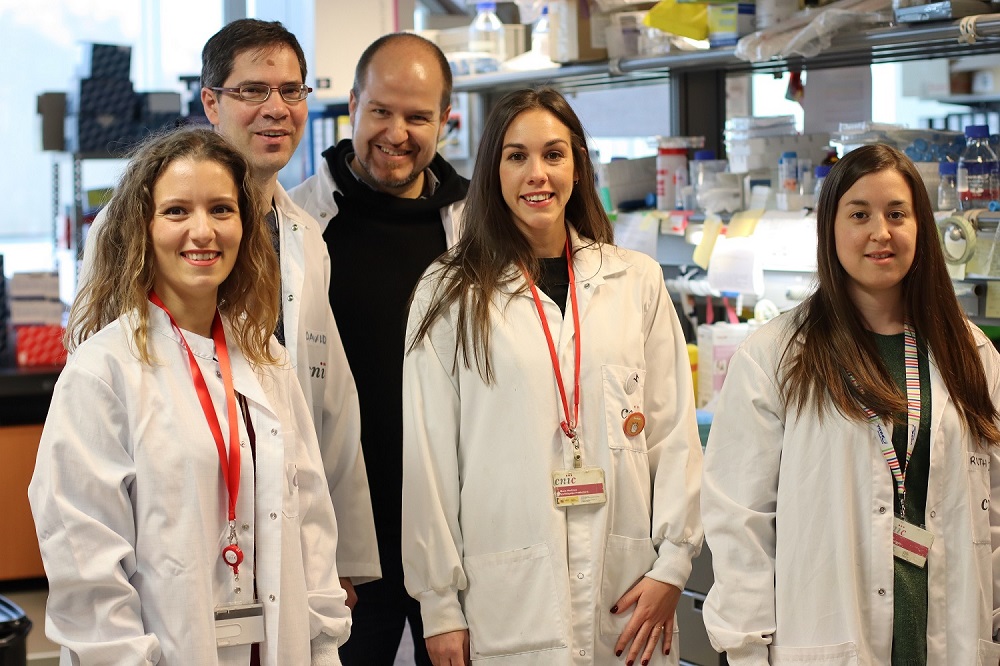 Research 30 Jan 2019 The study, published in Immunity, shows that some intestinal bacteria, such as Lactobacillus, strengthen the intestinal barrier by interacting with an immune cell receptor called Mincle (Clec4e) |
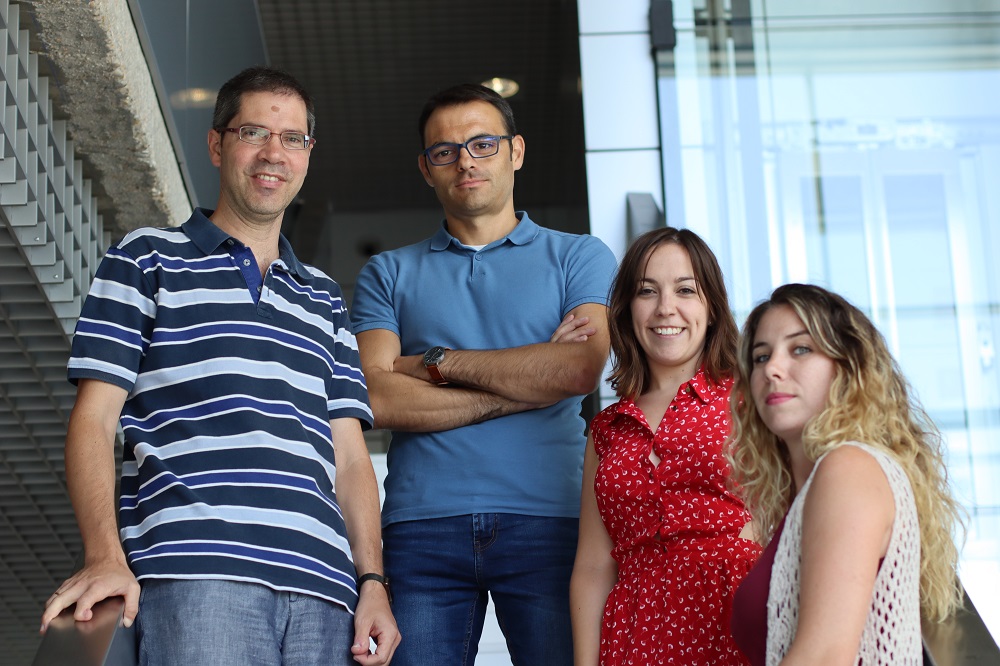 Research 19 Oct 2018 CNIC researchers have discovered a new inflammatory control mechanism that paves the way to controlling injury generated during the immune response |
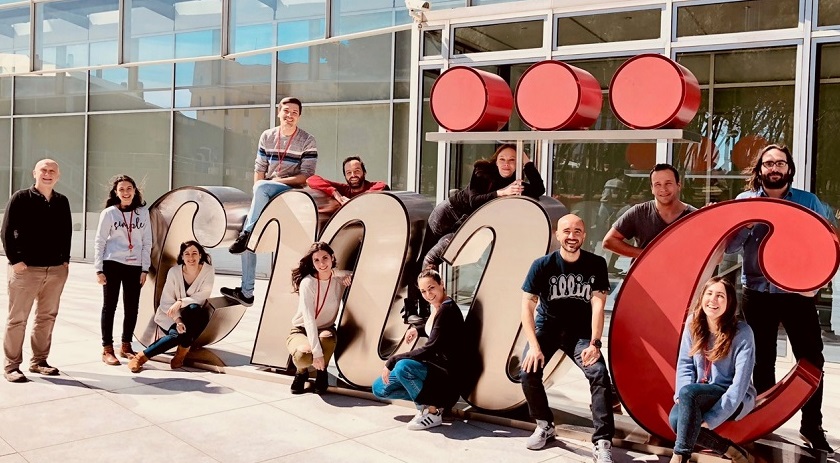 Research 10 Oct 2018 CNIC researchers have discovered that the immune system is important not only in the defense against disease but also for the day-to-day function of a healthy organism |
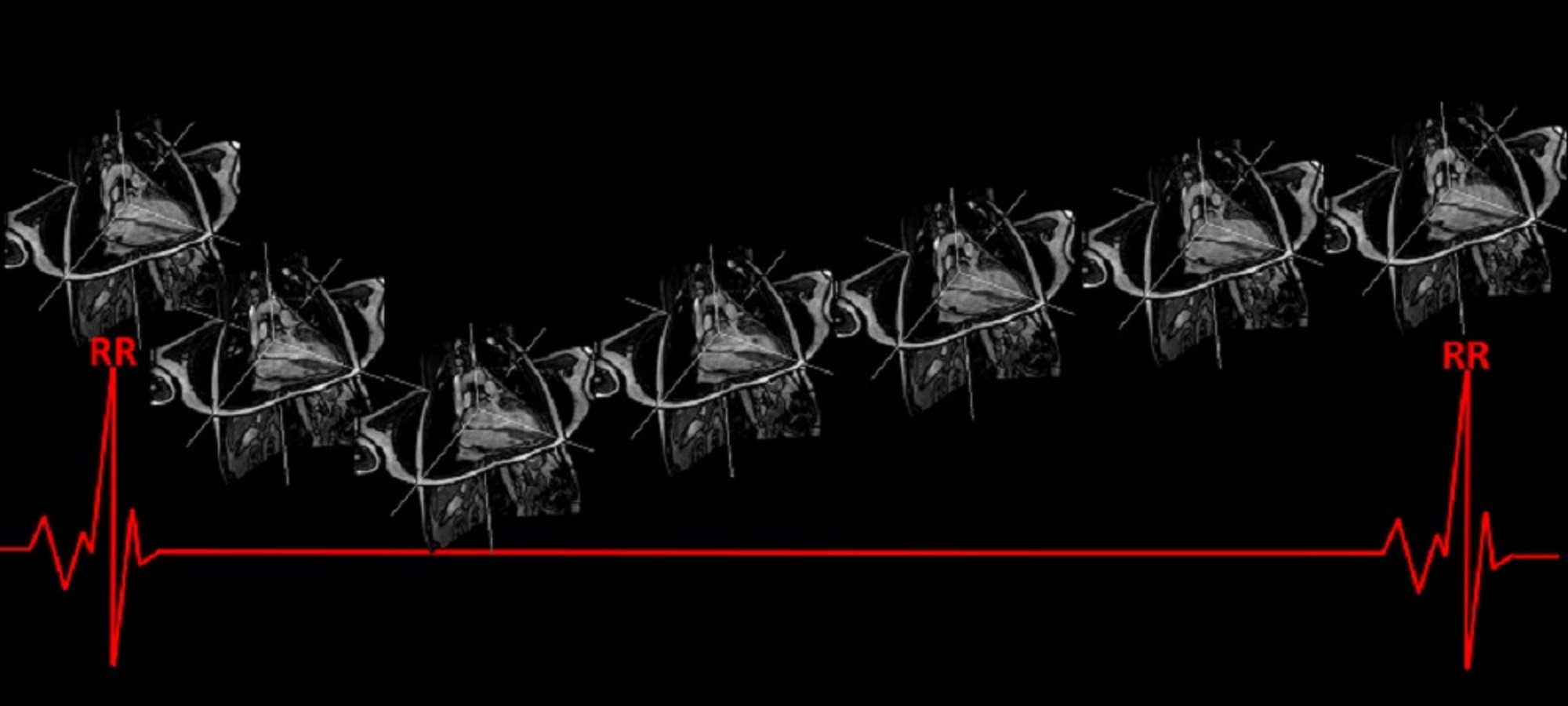 About the CNIC 21 Mar 2018 The OTRIs are intermediaries in the science-technology-enterprise system, and their mission is to boost relations among the agents of the system |
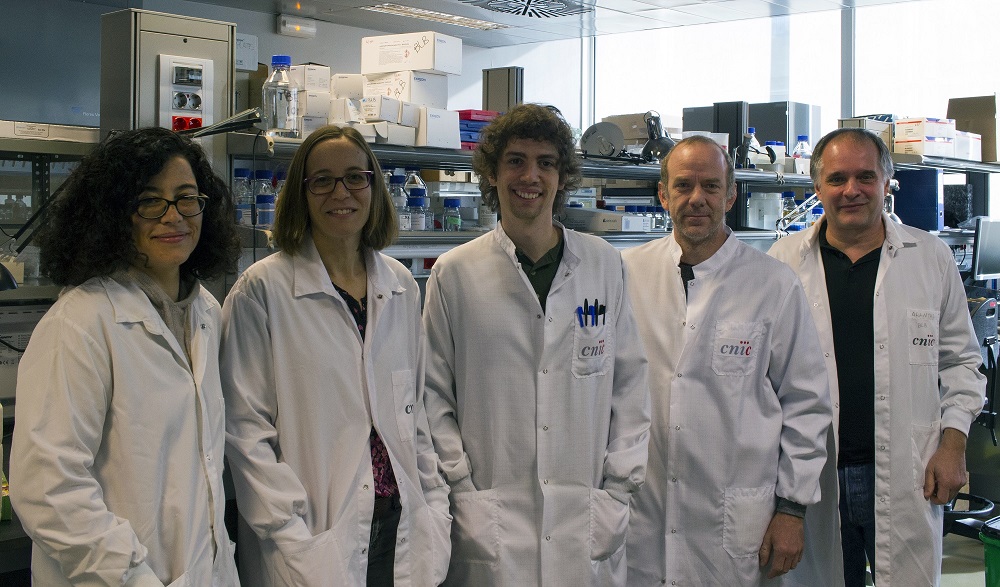 Research 1 Feb 2018 The researchers have identified a collection of almost 300 genes mutated by AID, with some of the mutations found recurrently in human tumors and lymphomas |
 Research 26 Sep 2017 This control mechanism is important for pluripotency in the development of mammalian embryos |
- ‹ previous
- 4 of 5
- next ›