News search
 About the CNIC 1 Oct 2026 The finding, published in Cardiovascular Research, lays the groundwork for specific treatments for heart failure with preserved ejection fraction |
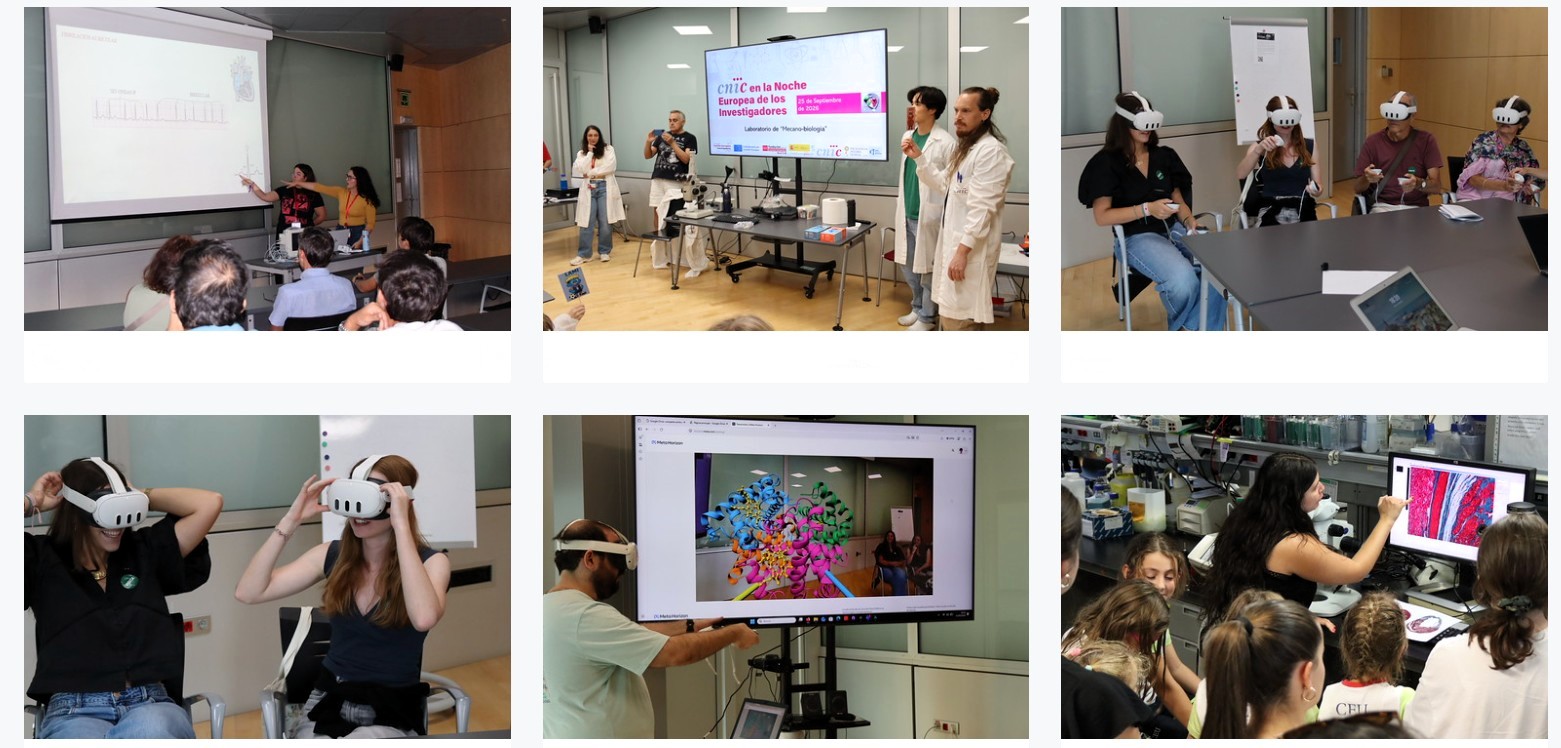 About the CNIC 28 Sep 2026 The CNIC organised five events open to the public of all ages to celebrate the 17th European Researchers’ Night |
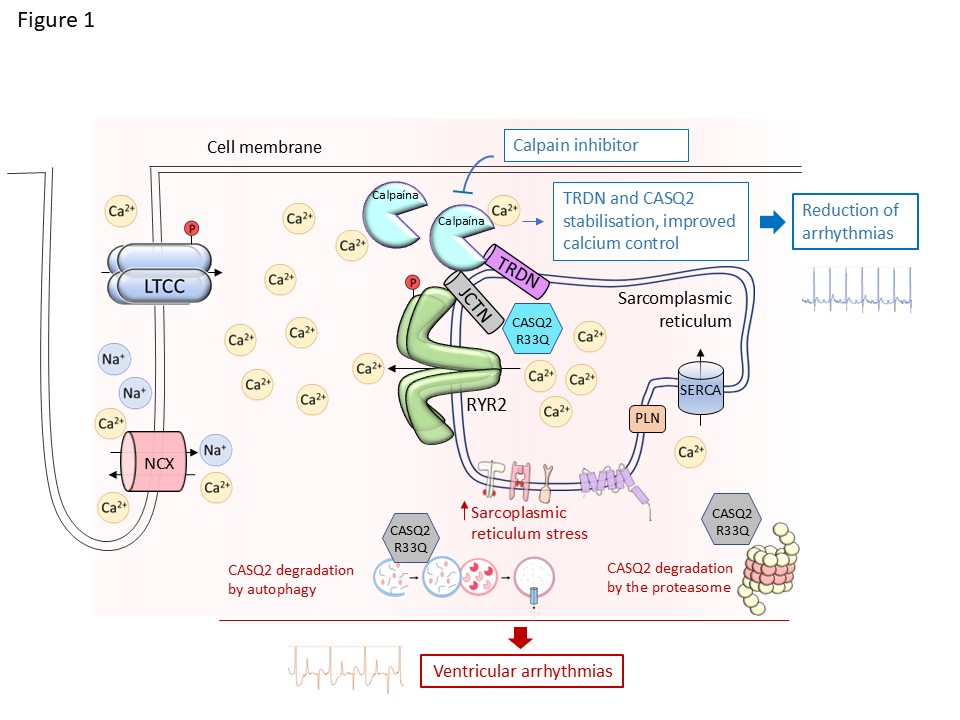 Research 23 Sep 2026 Researchers at the CNIC, in collaboration with the University of Pavia and IRCCS Istituti Clinici Scientifici Maugeri, have found that activation of the enzyme calpain contributes to the development of a severe inherited arrhythmia. |
 Research 11 Sep 2026 A new study, published in the Journal of the American Heart Association, shows that individuals with elevated levels of both proteins have twice the risk of cardiovascular events. |
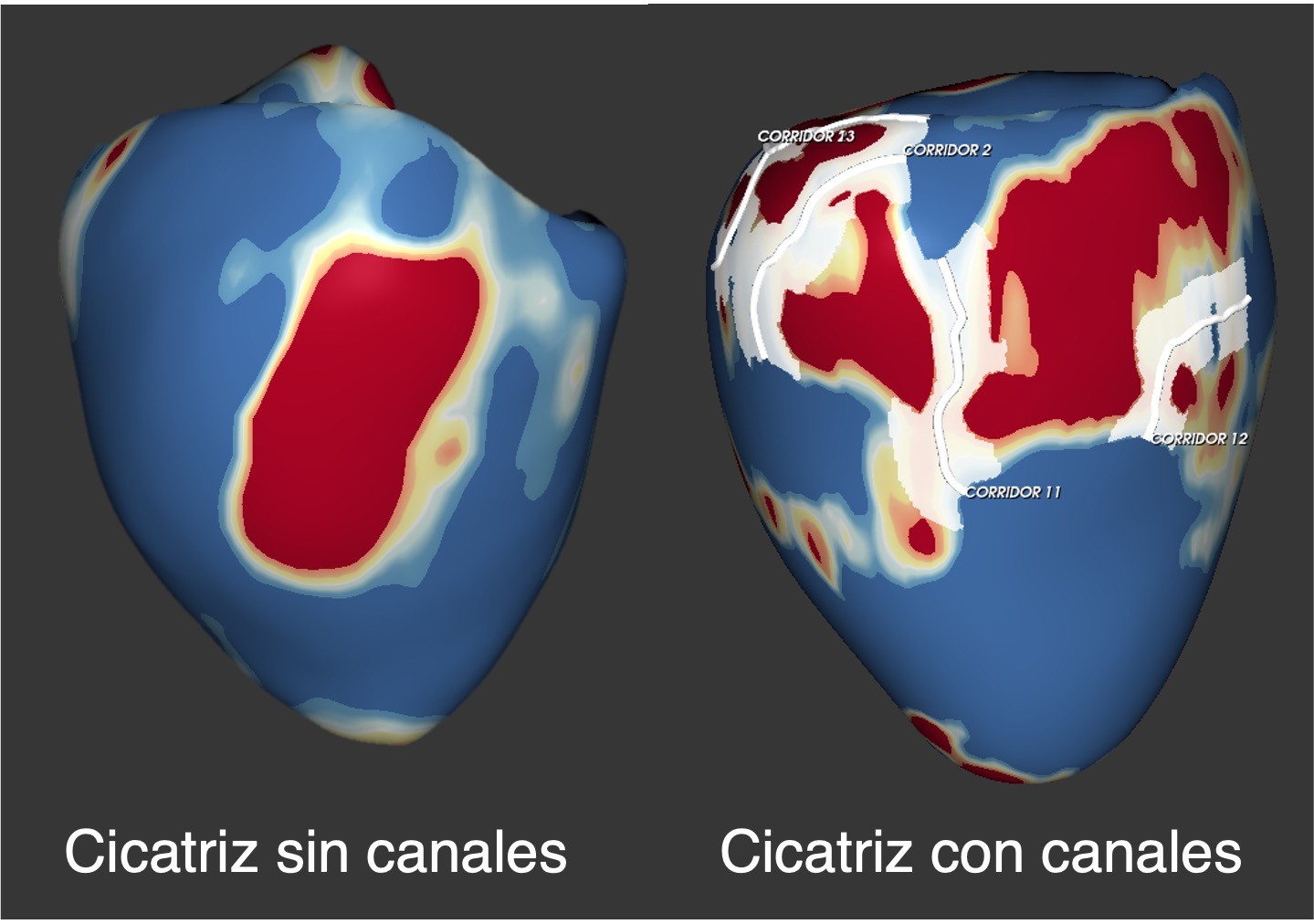 Research 8 Sep 2026 The findings could help more precisely identify candidates for a preventive implantable defibrillator |
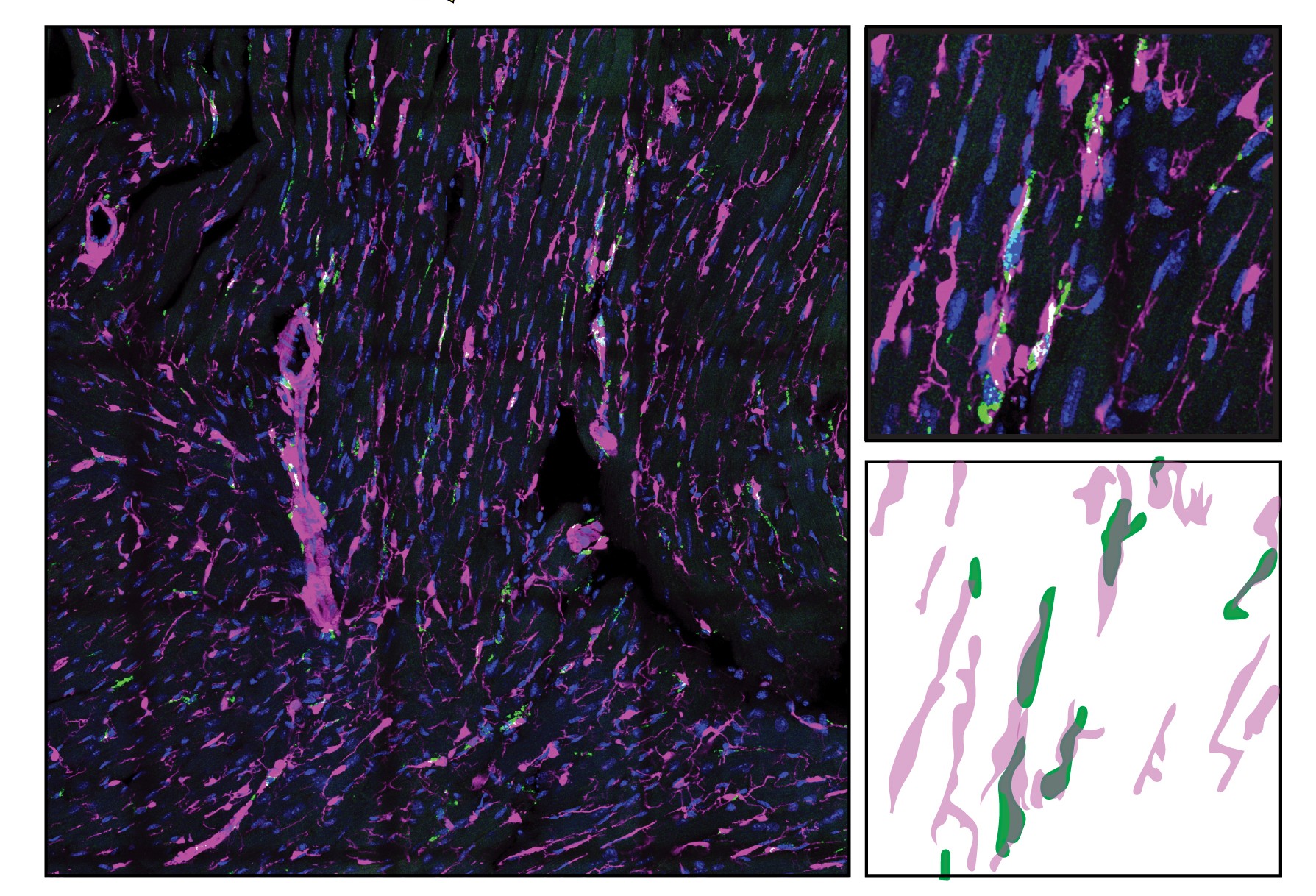 Research 4 Sep 2026 The body's heart muscle (for pumping blood), skeletal muscle (for movement and posture), and brown fat (for heat production), each require a lot of energy and make a lot of waste. And that waste needs to be managed. |
 About the CNIC 3 Sep 2026 TROPOSplice proposes an evolution-inspired strategy to improve cardiac relaxation in patients with hypertrophic cardiomyopathy and heart failure with preserved ejection fraction. |
 Research 6 Aug 2026 The protein, OMA1, delays immune-system overactivation, liver fibrosis, and liver cancer during aging |
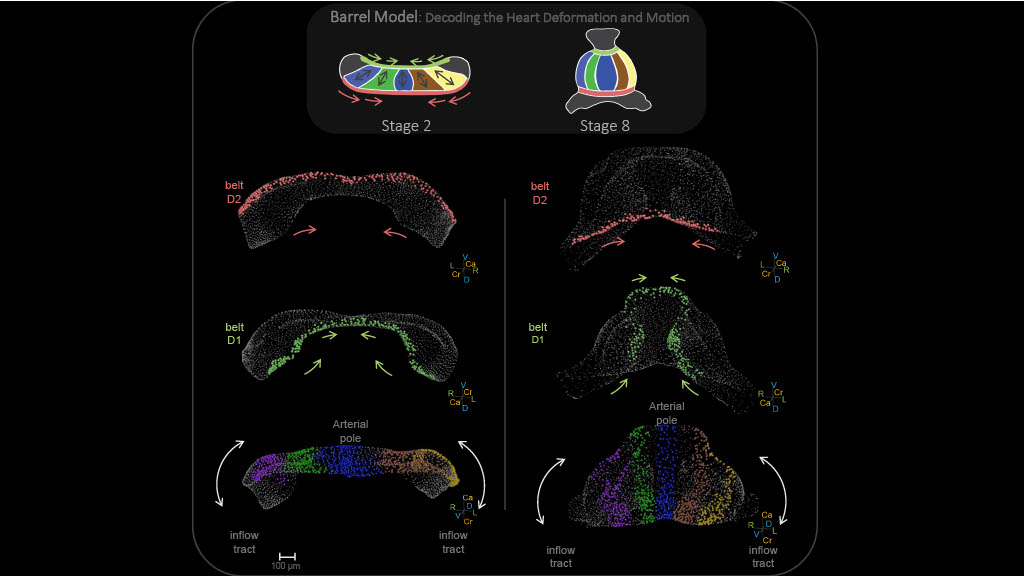 About the CNIC 21 Jul 2026 The study reveals that the early heart is shaped by distinct but closely coordinated patterns of tissue deformation |
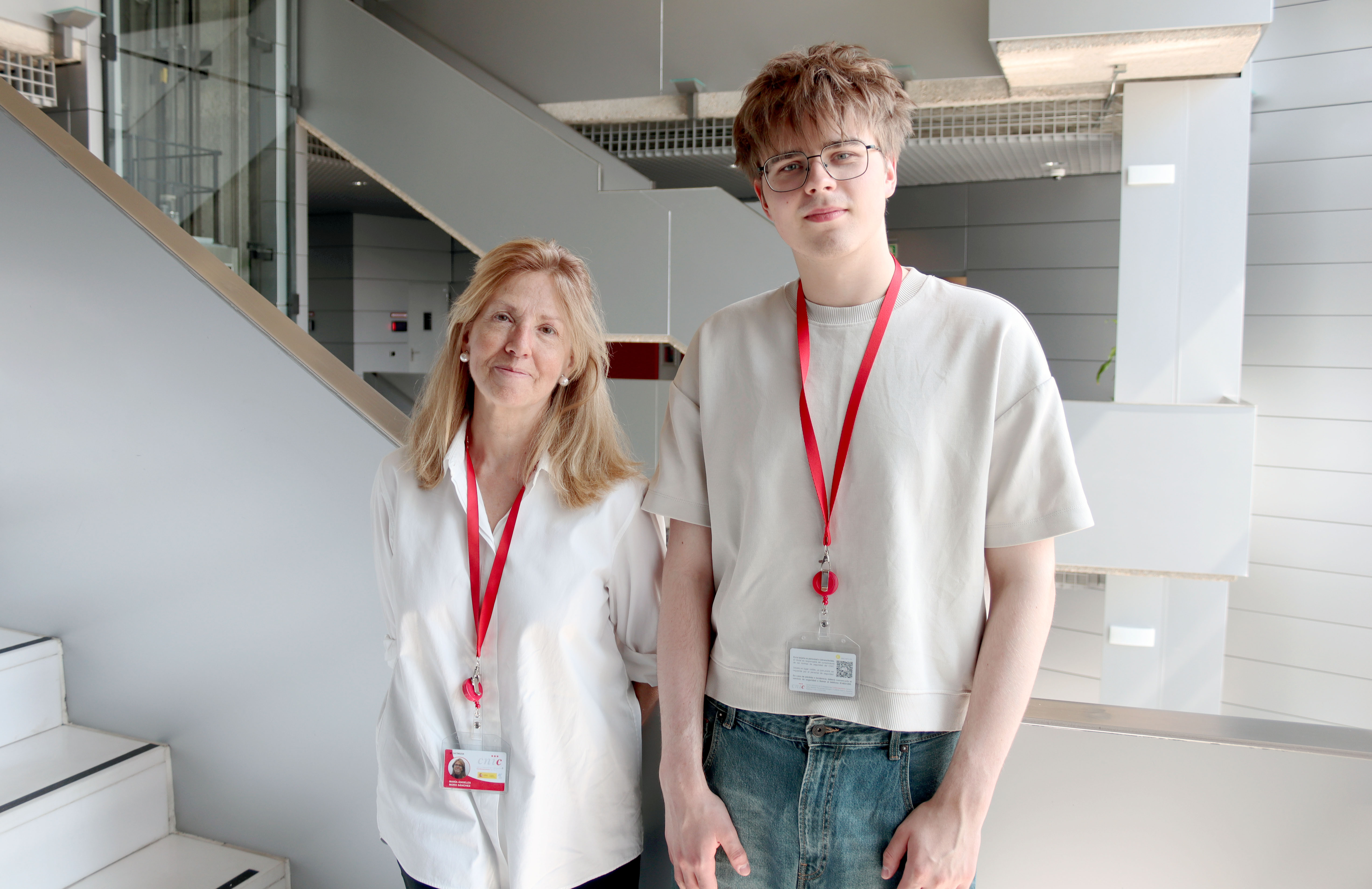 About the CNIC 15 Jul 2026 The young Lithuanian researcher was recognised for a project on new molecular targets for the antiviral treatment of intestinal infections |
- 1 of 46
- next ›