News search
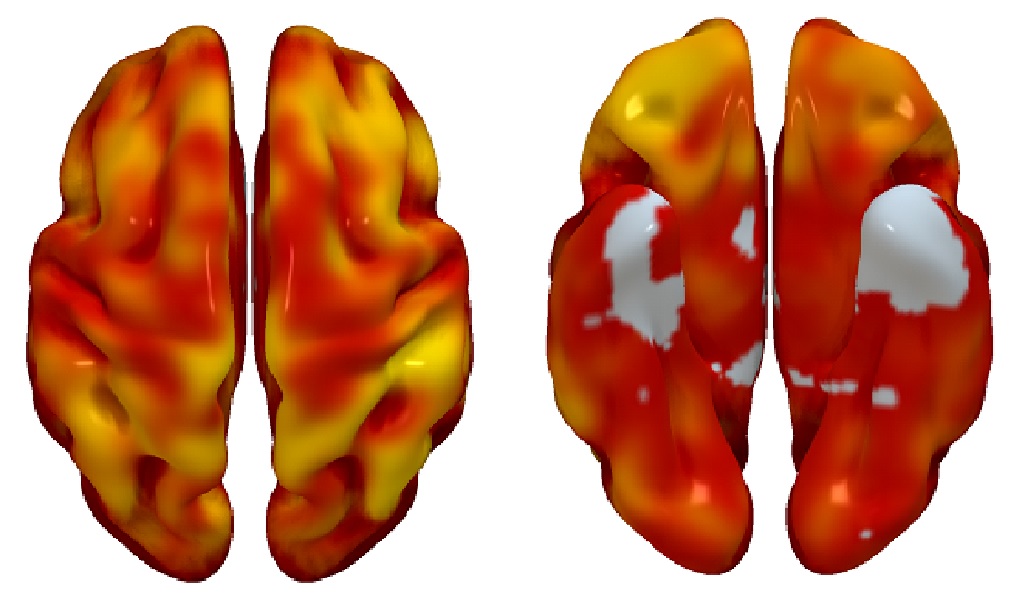 Research 15 Feb 2021 Among the modifiable cardiovascular risk factors showing a close association with reduced brain metabolism, the research team found that the most important is hypertension |
 Research 9 Dec 2020 Científicos del CNIC han descubierto un mecanismo celular y molecular que puede ayudar a promover la arterialización y perfusión en los tejidos que han sufrido una reducción del riego sanguíneo. |
 Research 2 Dec 2020 Un estudio que se publica en Nature muestra a la proteína mitocondrial ALDH4A1 como un nuevo autoantígeno implicado en los procesos de la aterosclerosis |
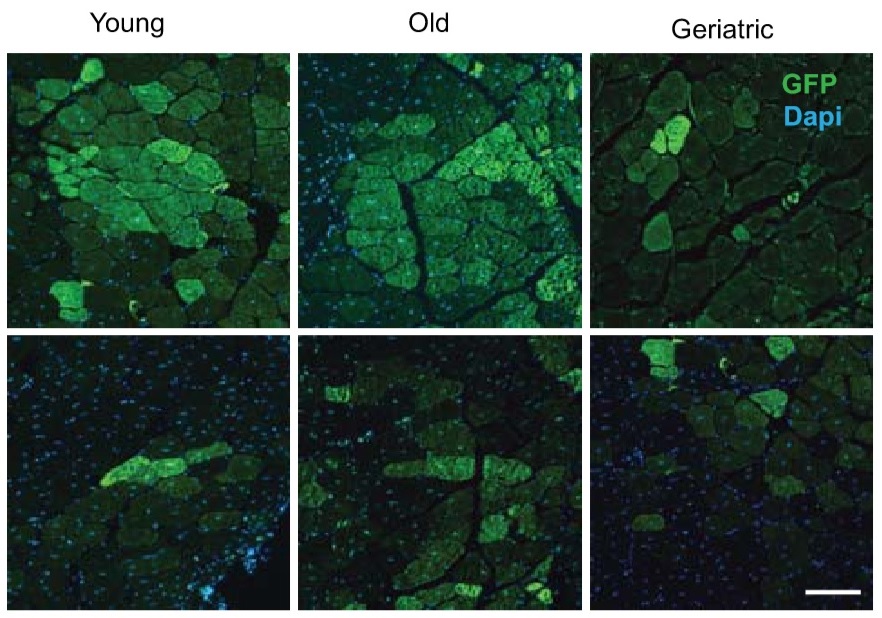 Research 27 Oct 2020 The finding provides a basis for mitigating the loss of muscle regenerative capacity in very elderly people. |
 Research 16 Oct 2020 Scientists at the Centro Nacional de Investigaciones Cardiovasculares (CNIC) review the roles of a groups of proteins called stress kinases in metabolism in an article published in Nature Reviews Endocrinology |
 Research 17 Sep 2020 The results published in Nature Metabolism could be useful to design new treatments for the obese and overweight, and for some associated pathologies, including fatty liver disease and type 2 diabetes |
 Research 30 Jul 2020 CNIC study shows that selection between mitochondrial genomes depends on how each type of mitochondria affects cell metabolism |
 Research 30 Jul 2020 The study, published in Nature, shows that sodium controls hypoxic signaling in the mitochondrial respiratory chain |
 Research 25 Jun 2020 The regulatory protein SCAF1 enables mitochondria to adapt to the available nutrient source of sugars, fats, or proteins |
 Research 28 Apr 2020 CNIC scientists, working with international partners, have developed a new experimental mouse model that allows them to study how cells sense, interpret, and generate mechanical forces |
- ‹ previous
- 5 of 9
- next ›