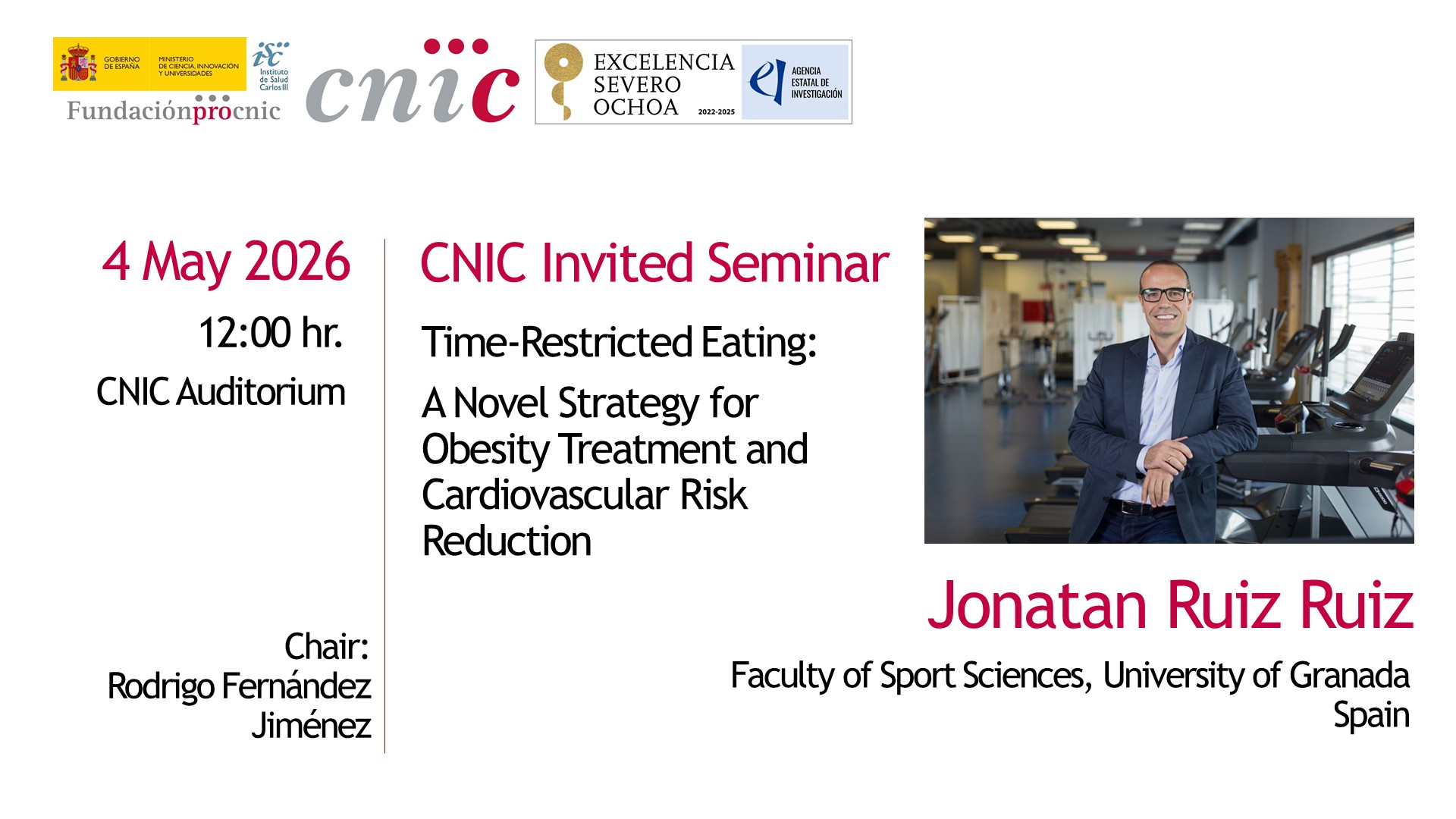
Jonatan R. Ruiz: "It is small, sustained changes that can generate major long-term benefits"


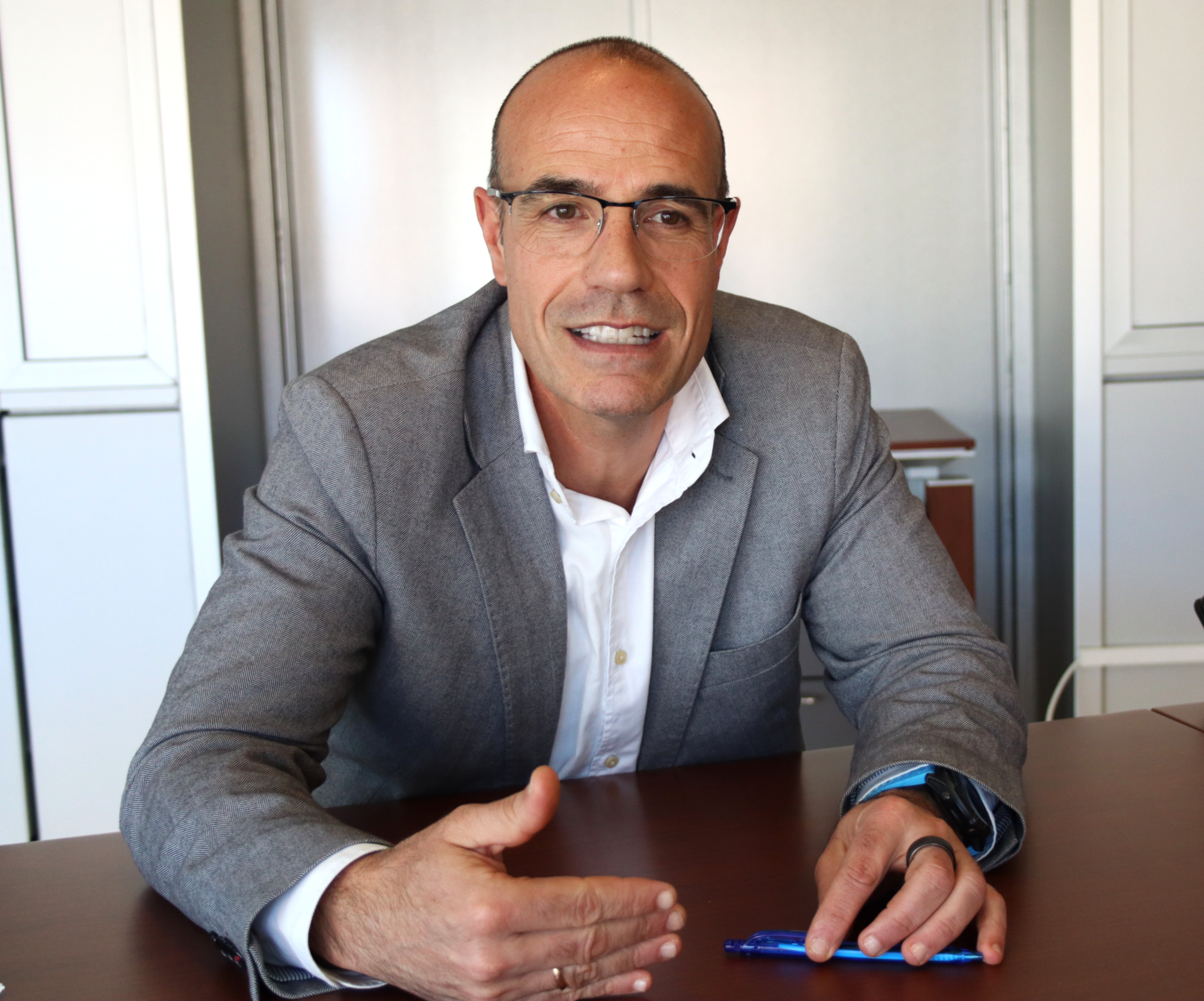
Jonatan R. Ruiz is a full professor in the Faculty of Sports Sciences at the University of Granada
Jonatan R. Ruiz is a full professor in the Faculty of Sports Sciences at the University of Granada, Spain. He holds a PhD in Exercise Physiology from the University of Granada and a PhD in Medical Sciences from the Karolinska Institutet in Sweden. He was also the first Ramón y Cajal research fellow in Spain to come from the field of Sports Sciences.
Jonatan Ruiz co-leads the PROFITH CTS-977 research group and serves as Scientific Director of a CIBEROBN group focused on exercise and obesity. He is also Director of the University Sport and Health Joint Institute (iMUDS) at the University of Granada.
Throughout his research career, Dr. Ruiz has focused on the impact of physical exercise on energy metabolism and cardiovascular health, particularly in relation to obesity and insulin resistance. In recent years he has led several clinical studies in Spain on time-restricted eating—one of the most widely studied forms of intermittent fasting—and its interaction with exercise.
- What exactly is intermittent fasting?
Intermittent fasting involves alternating periods of eating with periods of fasting—something we actually do naturally every day: we eat during the day and then sleep through the night without taking in any food. In a basic sense, that already counts as a form of intermittent fasting.
When we talk about intermittent fasting as a nutritional strategy, however, we are referring mainly to extending or structuring those fasting periods more deliberately. One straightforward approach, for example, involves a full 24-hour fast during which only water, coffee, or non-caloric drinks are permitted, after which the person returns to eating relatively freely the following day.
The form of intermittent fasting we have been studying is known as time-restricted eating. What does that mean in practice? In Spain, the average eating window tends to run for between 12 and 13 hours—we have breakfast at seven or eight in the morning and dinner at eight or nine in the evening. That is the span between the first and last meal of the day.
Time-restricted eating means compressing that window from 12 hours down to around 8, leaving approximately 16 hours of fasting. During that time you can drink water freely, as well as unsweetened coffee or tea, but no food or caloric beverages.
- Is this something you would recommend?
Yes. The scientific evidence shows that simply limiting food intake to a shorter time window can lead to weight loss and improvements in cardiovascular health.
- What specific benefits are associated with this kind of caloric restriction?
Among the most notable are better blood glucose regulation and a reduction in subcutaneous abdominal fat. People who follow this nutritional pattern also tend to lose more body weight overall, accompanied by decreases in visceral and liver fat. My recommendation would be to follow a 16:8 pattern and to aim to finish eating two or three hours before going to bed. If you go to sleep at eleven, ideally you would not be eating dinner after eight. And that last meal should be light—high in protein and fiber, and not too substantial.
- The challenge is fitting that into daily life, especially in a country like Spain.
I completely agree, and it's something I experience at home myself. I practice intermittent fasting: I skip breakfast and don't eat until midday or even three in the afternoon. That runs slightly against my own preferences, because I love breakfast.
The other difficulty is that dinner in Spain has a social dimension. In my household, if I skip dinner one evening it almost becomes a family event: "What do you mean you're not eating?" That social pressure is real, and it was one of the challenges we wanted to assess in the study.
The research was conducted in Granada and Pamplona—two quite different cities—and we were struck by how high the adherence levels were. On average, participants stuck to the protocol six days out of seven. The day they tended to relax the rules was usually at the weekend, which is entirely understandable.
Participants said they felt better, and many said they wanted to maintain this way of eating. When we followed up a year later, we found that while not everyone had kept it up continuously, many had returned to it during particular periods.
There was also one factor we hadn't anticipated: many people told us that the fasting helped them organize their lives and establish a sense of routine. "I know I'm going to eat between twelve and eight; I check the clock and that's it." No calorie counting, no measuring portions constantly.
- And do people actually eat less?
Yes, though not consciously. Participants ended up consuming between 300 and 500 fewer calories per day, and that reduction largely explains the weight loss.
When someone knows they are on a diet and needs to restrict calories, a persistent sense of hunger often sets in. With this approach, by contrast, the strategy is simply about controlling when you eat.
- Could this strategy be prescribed as a treatment for certain conditions?
I think the 16:8 pattern is probably the most straightforward and sustainable option. My recommendation would be to concentrate eating within an eight-hour window and to avoid eating during the two to three hours before sleep, with a light evening meal that is rich in protein and fiber.
- The difficulty is that within a clinical trial everything tends to work well, because participants have access to nutritional and physical activity guidance throughout. Once the study ends, that support disappears. The intermittent fasting approach you're proposing may be simpler precisely because all you need is a clock and a willingness to change a few habits.
Exactly. The study ran for three months, and to assess how much of the effect persisted, we contacted participants again a year later.
- And what did you find?
The surprising finding was that a year on, participants had retained a large part of the body weight reduction they had achieved over the three months of intermittent fasting.
In ongoing studies in women with obstructive sleep apnea, we have also incorporated psychological treatment into the lifestyle intervention. This makes a significant difference when it comes to consolidating behavioral change.
What we do is an intensive eight-week program in which participants come to the center once a week. A psychologist begins the work using cognitive behavioral therapy to equip participants with tools for modifying habits that have been ingrained over decades. This is followed by nutritional education, guidance on sleep hygiene, alcohol and tobacco, and physical exercise.
The changes we see in just eight weeks are remarkable, and more than 70% of participants no longer need CPAP (continuous positive airway pressure therapy). In fact, the women tell us they don't want us to let them go. But we remind them that they now have everything they need, and that maintaining these habits is down to them. And indeed, when we call them six months later, many are continuing to improve.
Several key factors are at play here. One is cognitive behavioral therapy, which helps people understand why change matters. Another is that the lifestyle modifications we propose are small and realistic. We are not telling someone to go to the gym five days a week—that is simply not viable for most people. It is small, sustained changes that can generate major long-term benefits.
We believe that the fundamental factor is sleep. When someone is sleeping badly, their quality of life deteriorates enormously. But once they start sleeping better, they quickly begin to identify which habits are helping them.
- For anyone who wants to try this kind of fasting, what would your advice be?
Start with a 16:8 pattern, aim to finish your last meal two to three hours before going to bed, and keep that evening meal light—high in protein and fiber, and not too large.