News search
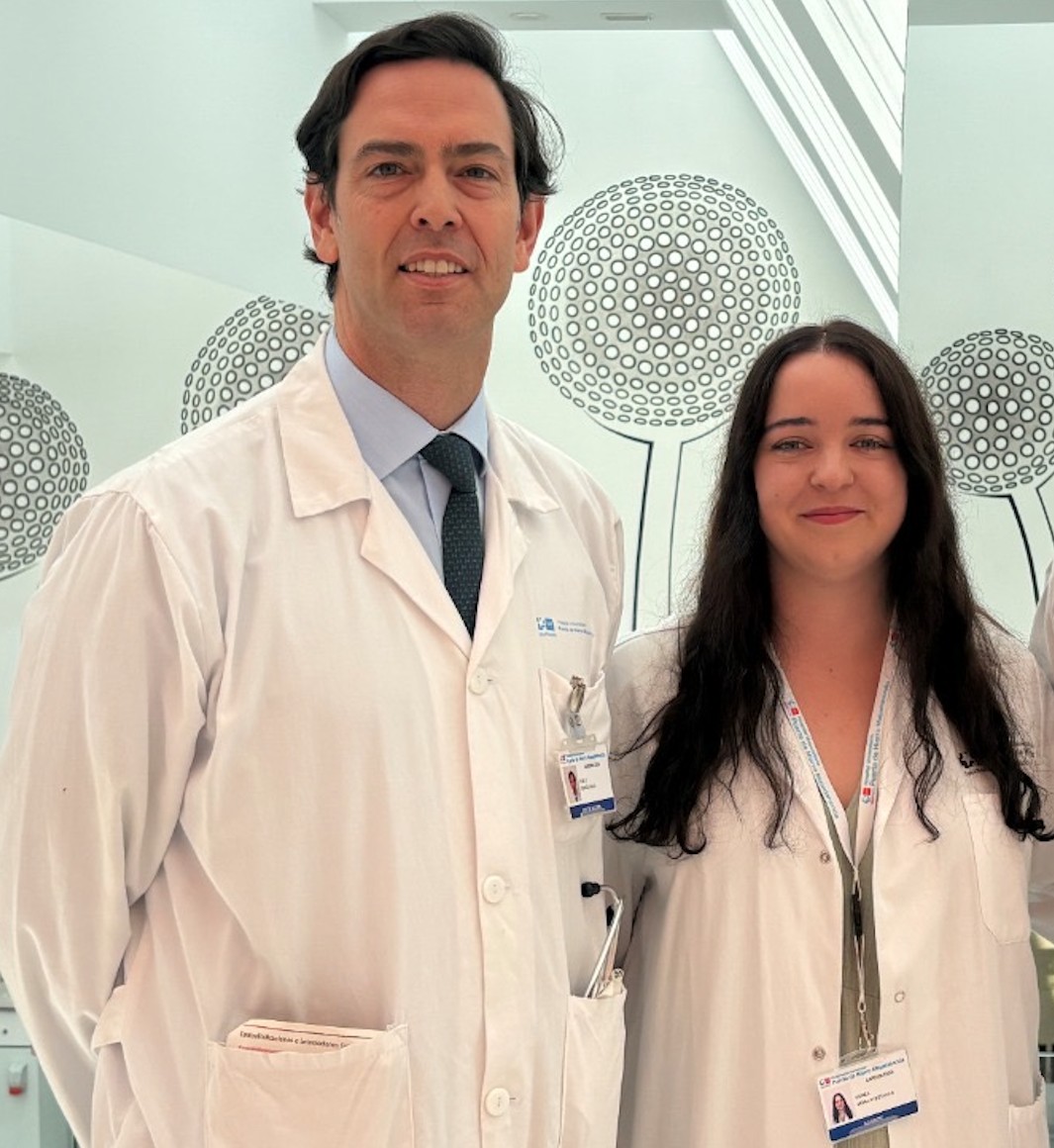 Research 4 Aug 2026 Left ventricular hypertrabeculation, an anatomical feature of the heart traditionally linked to higher risk, does not worsen outcomes in patients with dilated cardiomyopathy |
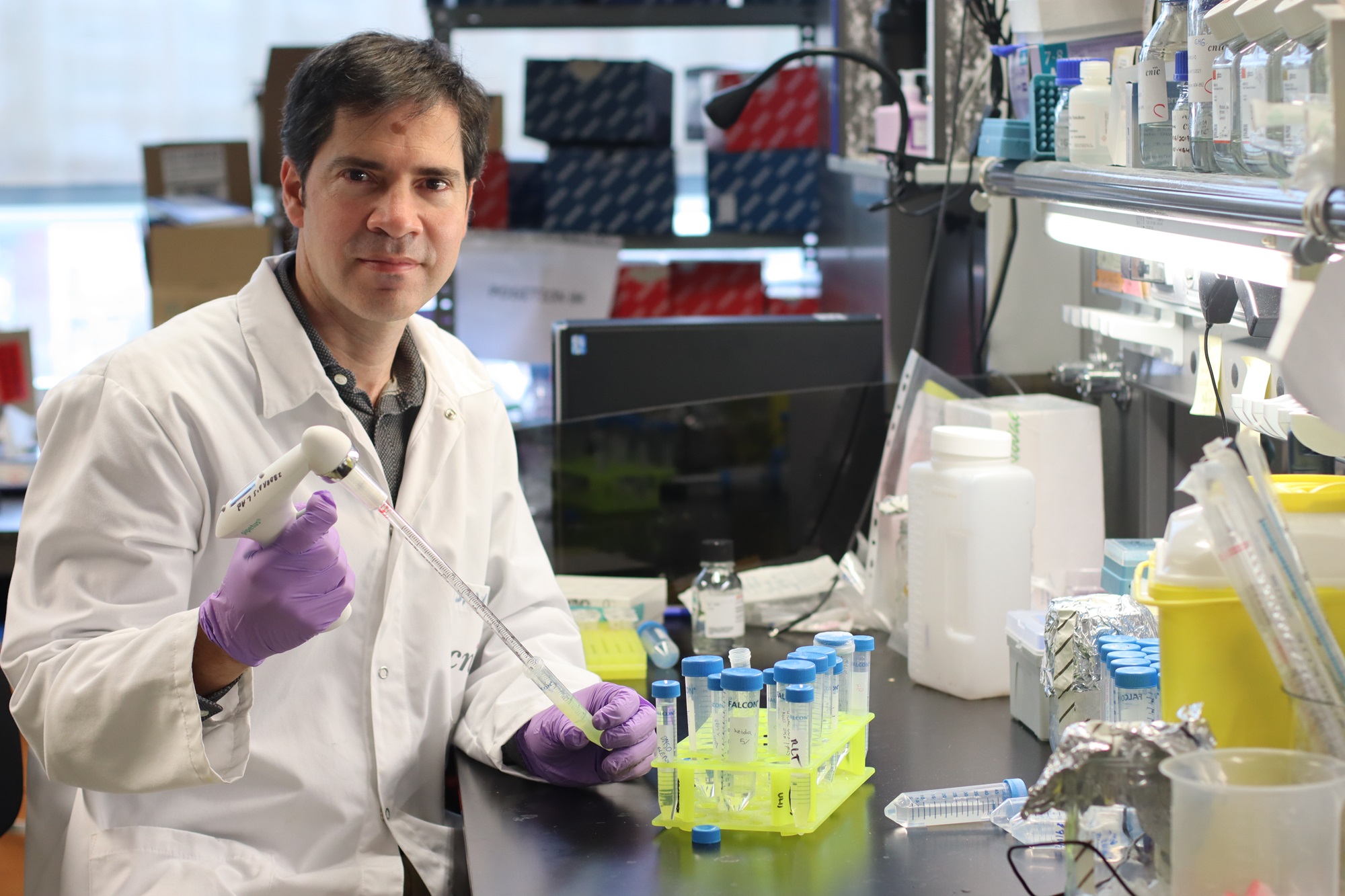 About the CNIC 20 Jul 2026 The Foundation recognises the pioneering research into the link between gut microbiota and cardiovascular disease led by David Sancho at the CNIC |
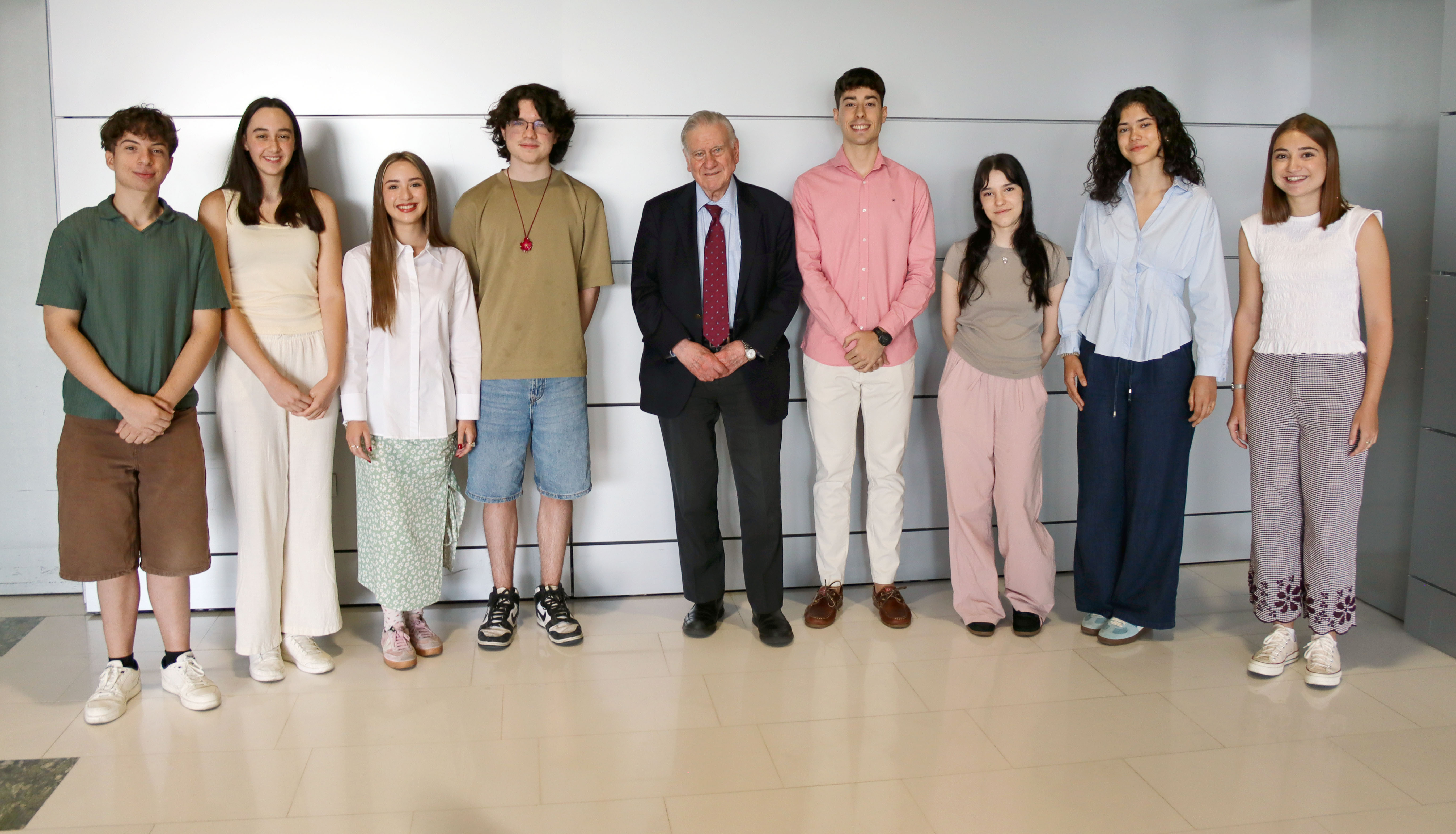 About the CNIC 10 Jul 2026 The aim of the Acércate Programme is to train the brightest young people from a very early age in order to build a pool of outstanding researchers in the field of cardiovascular research |
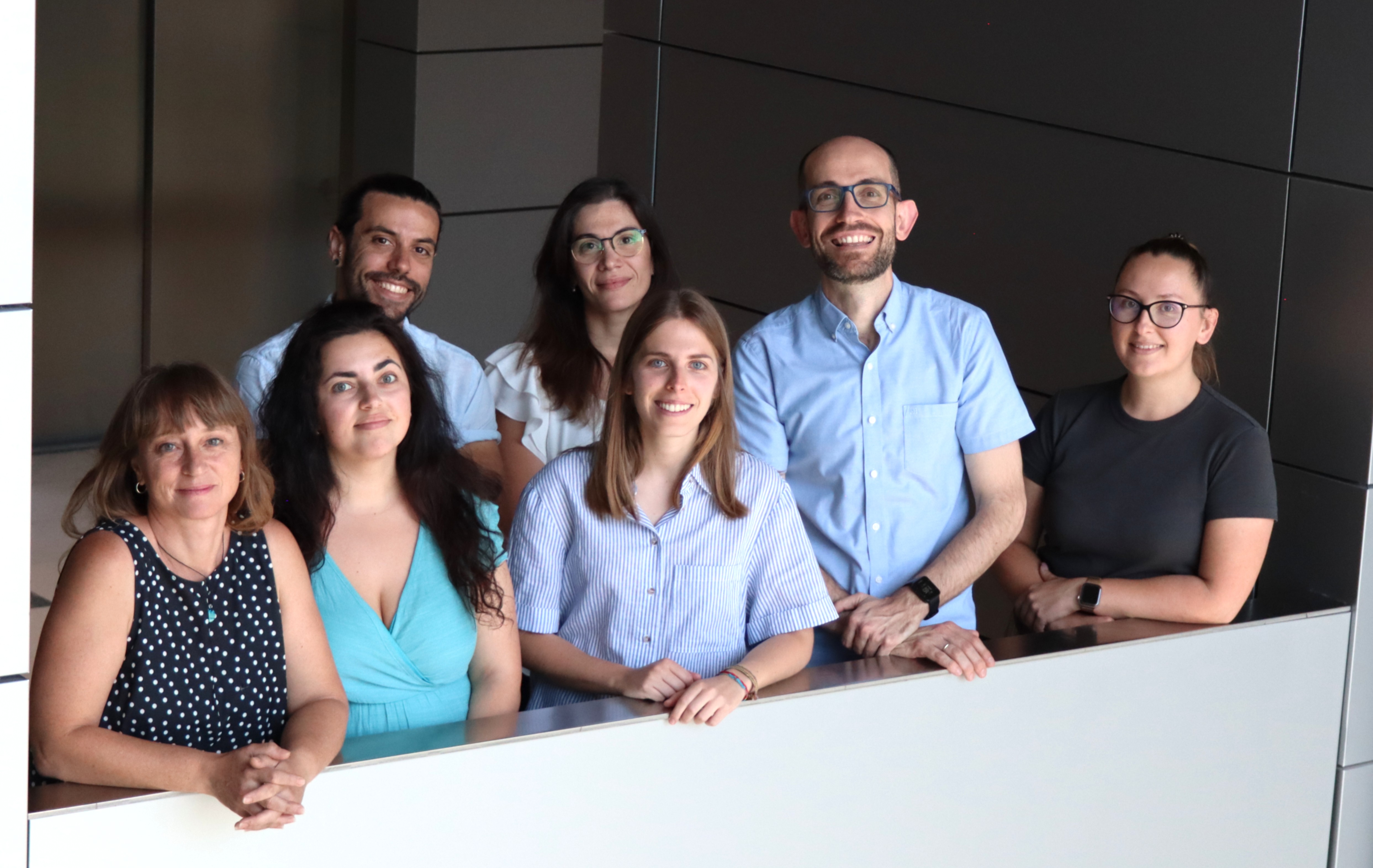 Research 7 Jul 2026 Hypertrophic cardiomyopathy is the most common inherited heart disease and the leading cause of sudden cardiac death in young people and athletes |
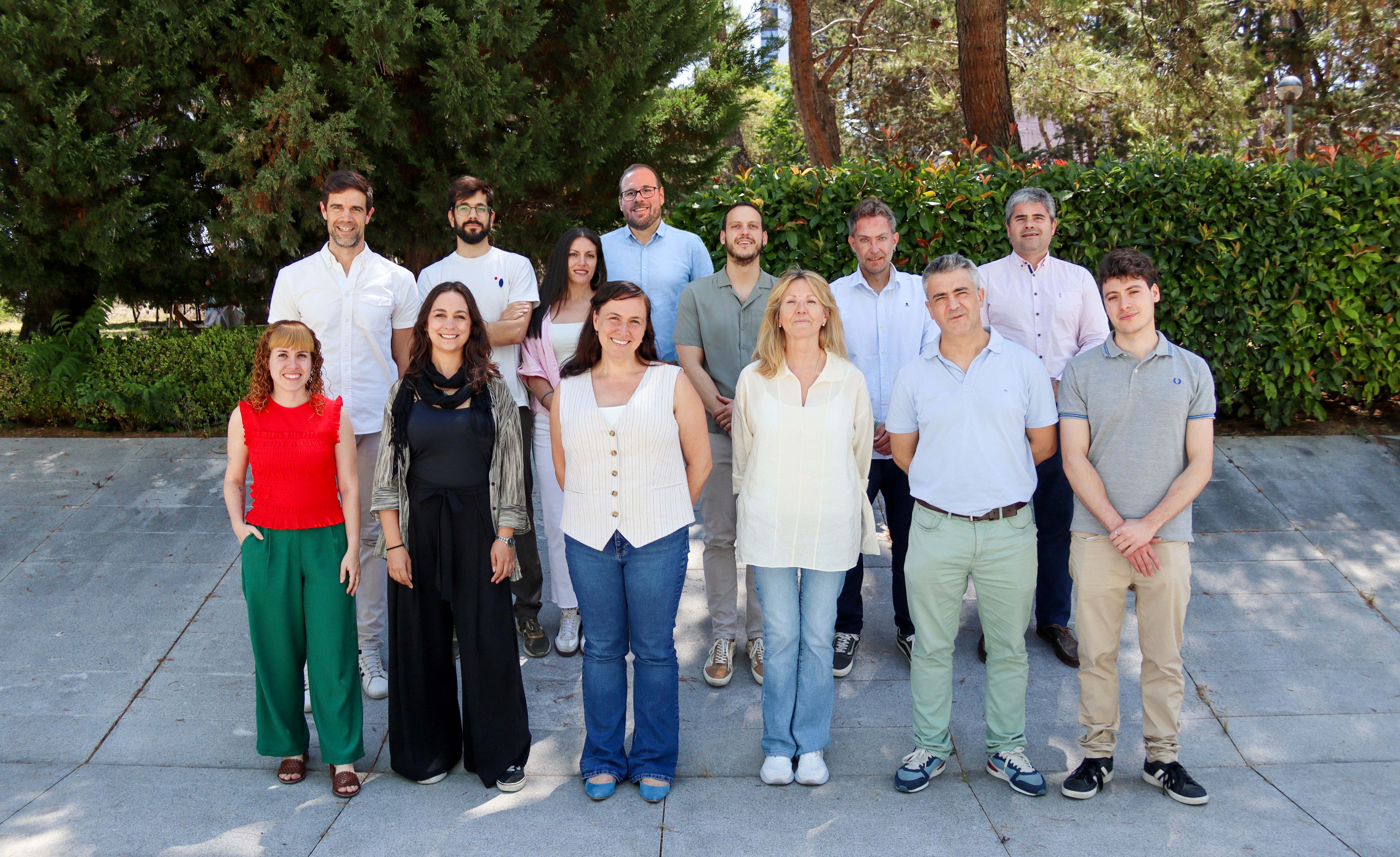 About the CNIC 6 Jul 2026 This tool paves the way for identifying patients who would be suitable candidates for treatment with anticoagulant therapy already available at the clinic |
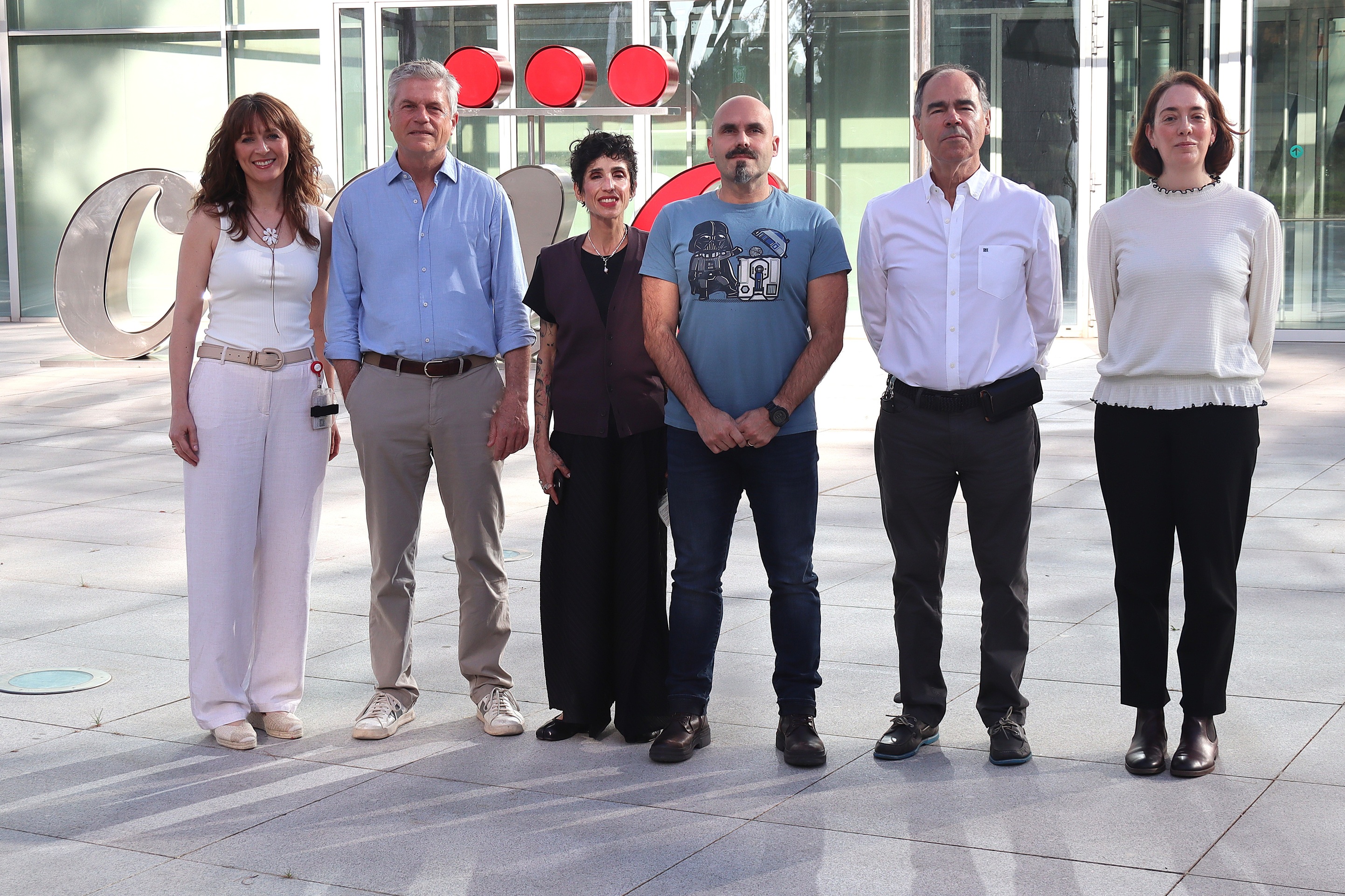 Research 24 Jun 2026 Two CNIC teams have developed a pioneering technique to analyze proteins in individual cardiomyocytes and uncover new clues about cardiac regeneration |
 About the CNIC 23 Jun 2026 CARDIOSWITCH aims to uncover how the mechanical activity of heart muscle cells shapes cardiac biology and to develop new regenerative strategies for congenital heart disease |
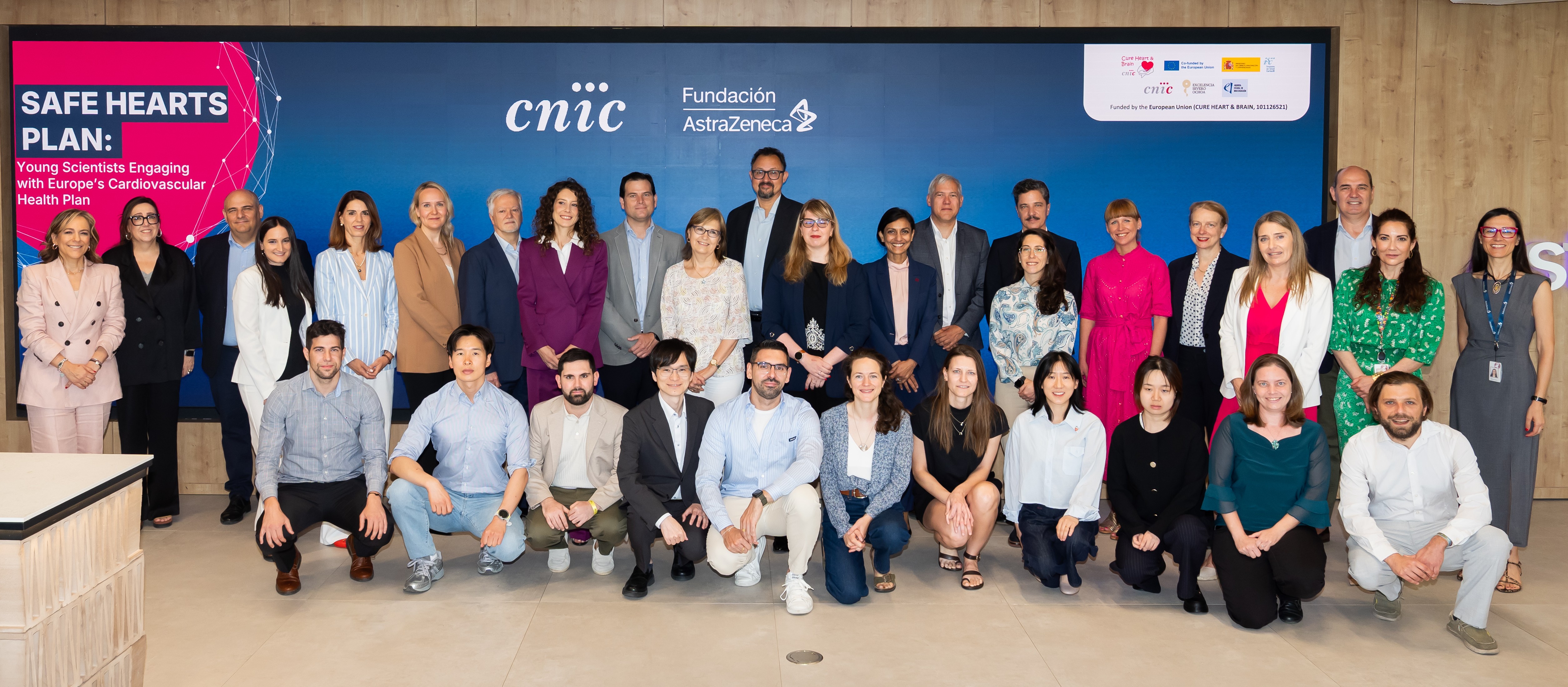 About the CNIC 11 Jun 2026 The meeting forms part of European awareness-raising activities around the European Commission’s new strategy to strengthen prevention, early detection, and management of cardiovascular disease |
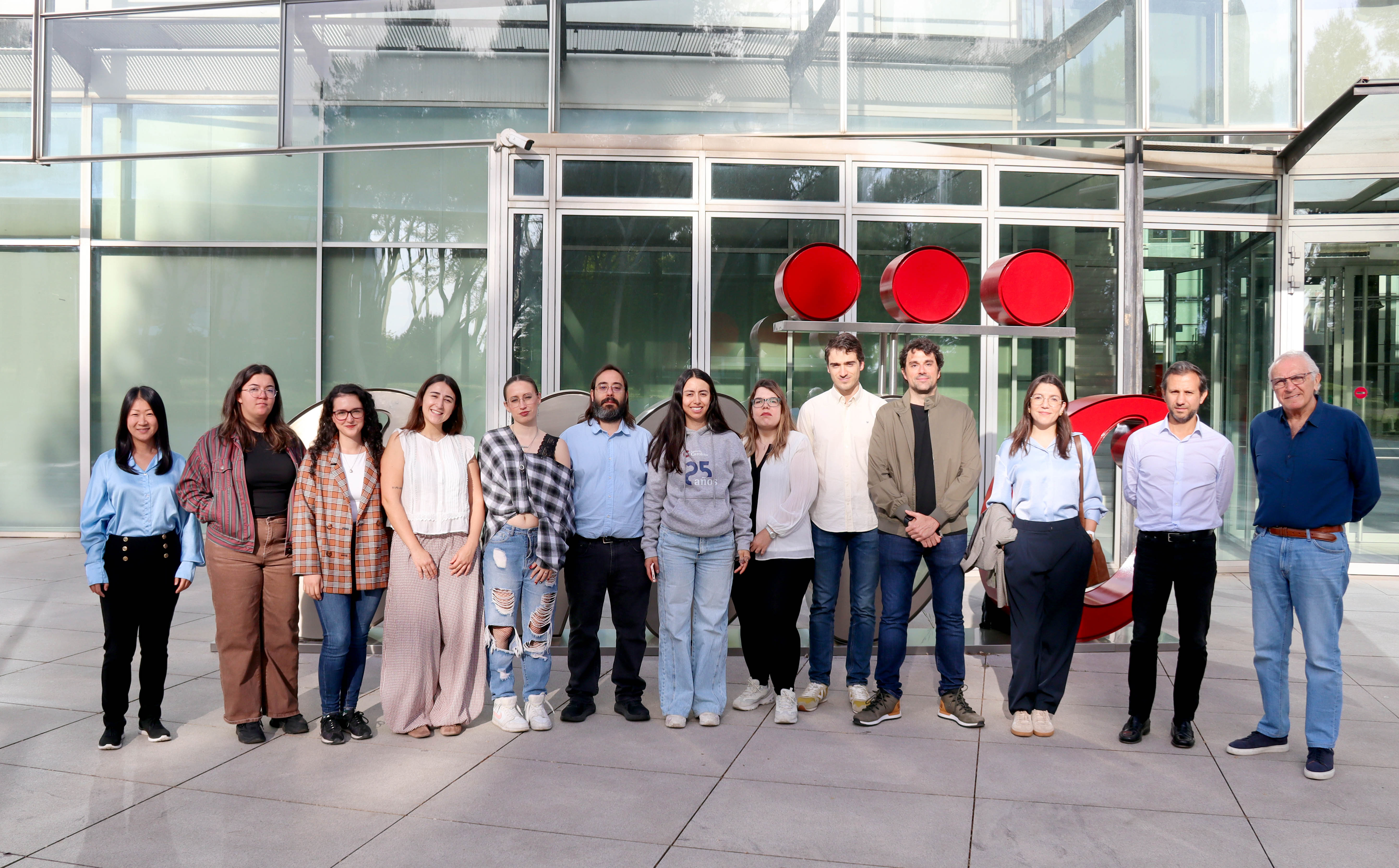 Research 28 May 2026 The findings, published in Cardiovascular Research, show that the right ventricle has greater metabolic resilience than the left during cardiac arrest caused by ventricular fibrillation. |
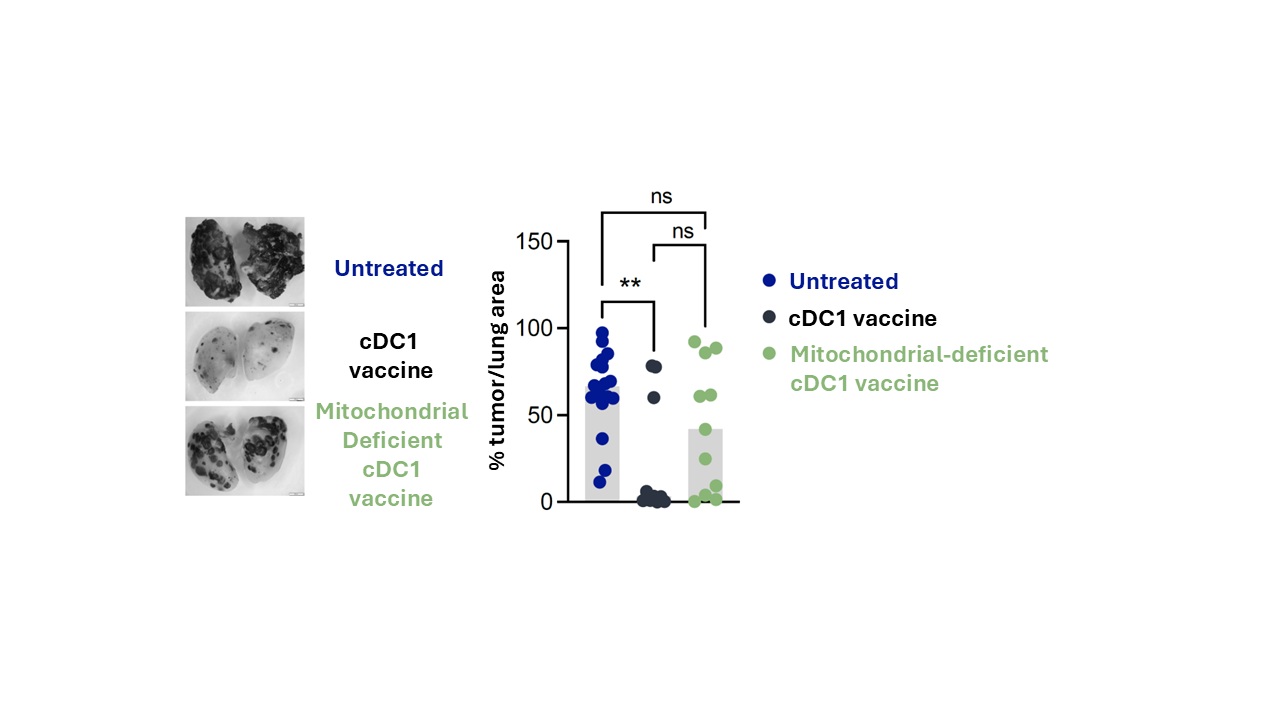 Research 22 May 2026 A CNIC-led study identifies a mitochondrial “checkpoint” that enables dendritic cells to efficiently activate T lymphocytes against viruses and tumors |
- ‹ previous
- 2 of 31
- next ›