Circulation Research: Study reveals new cellular mechanisms that allow the most common chronic cardiac arrhythmia to persist in the heart


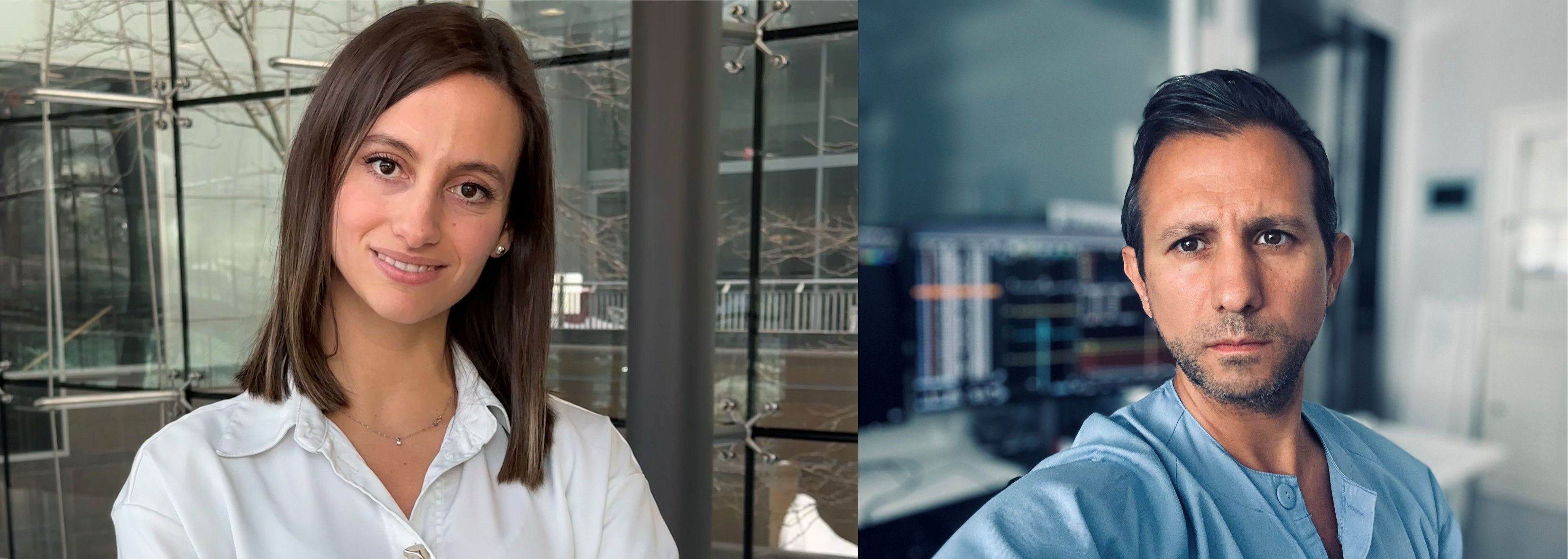
The study, published in Circulation Research, identifies cardiac fibroblasts and resident macrophages as essential contributors to the characteristic electrical activity that maintains this arrhythmia
Atrial fibrillation (AF), the most common chronic cardiac arrhythmia in clinical practice, is very challenging to treat once it becomes persistent, after which spontaneous return to normal rhythm becomes highly unlikely. A multidisciplinary study led by the Centro Nacional de Investigaciones Cardiovasculares Carlos III (CNIC) and published in Circulation Research now provides a new perspective on why this arrhythmia can persist long-term, highlighting the key role of non-contractile cardiac cells.
AF has traditionally been viewed as a purely electrical disorder of cardiomyocytes—the heart’s contractile cells. However, the research coordinated by Dr. David Filgueiras Rama, head of the CNIC Advanced Development in Arrhythmia Mechanisms and Therapies group, demonstrates that patient-specific regions within the atria develop a distinct cellular environment that facilitates arrhythmia persistence. Dr. Filgueiras Rama explains that “these areas, which we call driver regions, display electrical activity that is faster than the surrounding tissue and operate as true engines that sustain atrial fibrillation over time.”
The study identified significant differences in the abundance, type, and function of fibroblasts and macrophages—cells that do not participate directly in contraction but strongly influence tissue behavior.
First author Ana Simón Chica, CNIC researcher and currently at Massachusetts General Hospital and Harvard Medical School, explains that “these non-contractile cells create a specialized microenvironment that promotes cellular homeostasis and long-term survival, both of which are crucial for maintaining atrial fibrillation.”
The team observed that macrophages in these regions do not display the classical inflammatory profile previously thought to dominate in AF. Instead, the study describes a higher proportion of resident cardiac macrophages associated with protective functions, metabolic support, and cellular survival. “This cellular composition may help cardiomyocytes withstand the intensive electrical and energetic demands imposed by persistent atrial fibrillation,” adds Dr. Filgueiras Rama.
The study integrates advanced experimental models closely resembling the human heart pathophysiology with the analysis of cardiac tissue from patients with persistent AF, confirming that these mechanisms also operate in the clinical condition. Moreover, the study findings demonstrate the functional importance of these regions, showing that their selective elimination through ablation—an intervention used to eliminate malfunctioning tissue—can interrupt the arrhythmia in experimental models and is associated with effective long-term rhythm control in patients.
The authors emphasize that these findings reveal regionally adaptive and patient-specific mechanisms that allow AF to persist. They also challenge the widespread assumption that atrial remodeling—the structural and functional changes triggered by AF—occurs uniformly across the atria. Together, these findings open the door to new therapeutic strategies targeting cellular and molecular components beyond cardiomyocytes.
Overall, the study underscores the role of non-contractile cell populations in sustaining AF and indicates that effective future treatments will need to address the cellular mechanisms involved.
This research was conducted with the collaboration of national institutions, including the Instituto de Investigación Sanitaria del Hospital Clínico San Carlos (IdISSC); Centro Nacional Instituto de Investigación y Tecnología Agraria y Alimentaria (INIA-CSIC); Centro de Investigación Biomédica en Red de Enfermedades Cardiovasculares (CIBERCV); Instituto de Investigación Sanitaria de la Fundación Jiménez Díaz, and Fundación Interhospitalaria para la Investigación Cardiovascular (FIC), together with international teams at the University of Calgary (Canada) and the University of Freiburg (Germany).
Microscopy experiments were performed at the CNIC Advanced Imaging Unit (part of the ICTS‑ReDib Distributed Biomedical Imaging Network), co-funded by MCIN/AEI/10.13039/501100011033 and the European Regional Development Fund (ICTS‑2018‑04‑CNIC‑16).
The study received funding from the European Union Horizon 2020 Research and Innovation Programme (No. 965286); the Ministry of Science and Innovation (MCIN: PID2023‑150456OB‑I00 and PGC2018‑097019‑B‑I00) funded by MCIN / AEI / 10.13039/501100011033; the Instituto de Salud Carlos III (Fondo de Investigación Sanitaria PRB3: PT17/0019/0003‑ISCIII‑SGEFI / ERDF, ProteoRed); the Fundación Interhospitalaria para la Investigación Cardiovascular; the Spanish Society of Cardiology; and the “la Caixa” Foundation.