News search
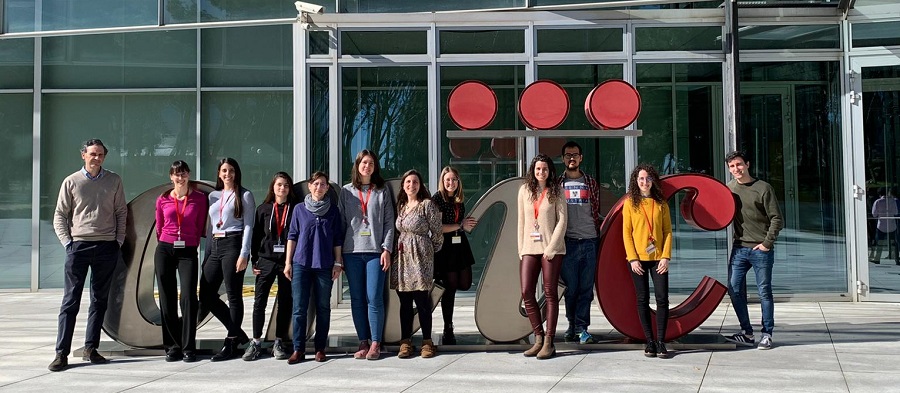 Research 3 Sep 2021 The new findings, published in Circulation Research, could spur the development of new tools for the treatment of cardiac hypertrophy |
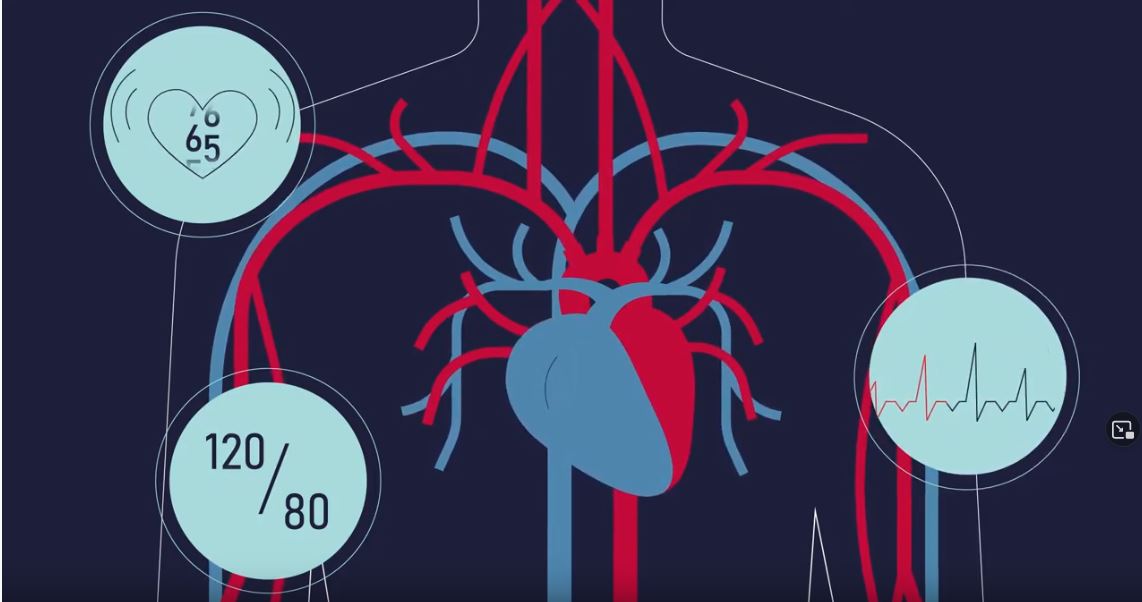 About the CNIC 6 Aug 2021 CNIC and the Mario Negri Institute in Milan (Italy) coordinate REBOOT, a project that aims to study whether treatment with beta-blockers is beneficial for patients who have suffered a myocardial infarction |
 Research 21 Jul 2021 The research team led by project leader Dr Silvia Priori is confident that the discovery of new therapies will reduce the mortality linked to this disease and could also reduce arrhythmias in heart failure patients |
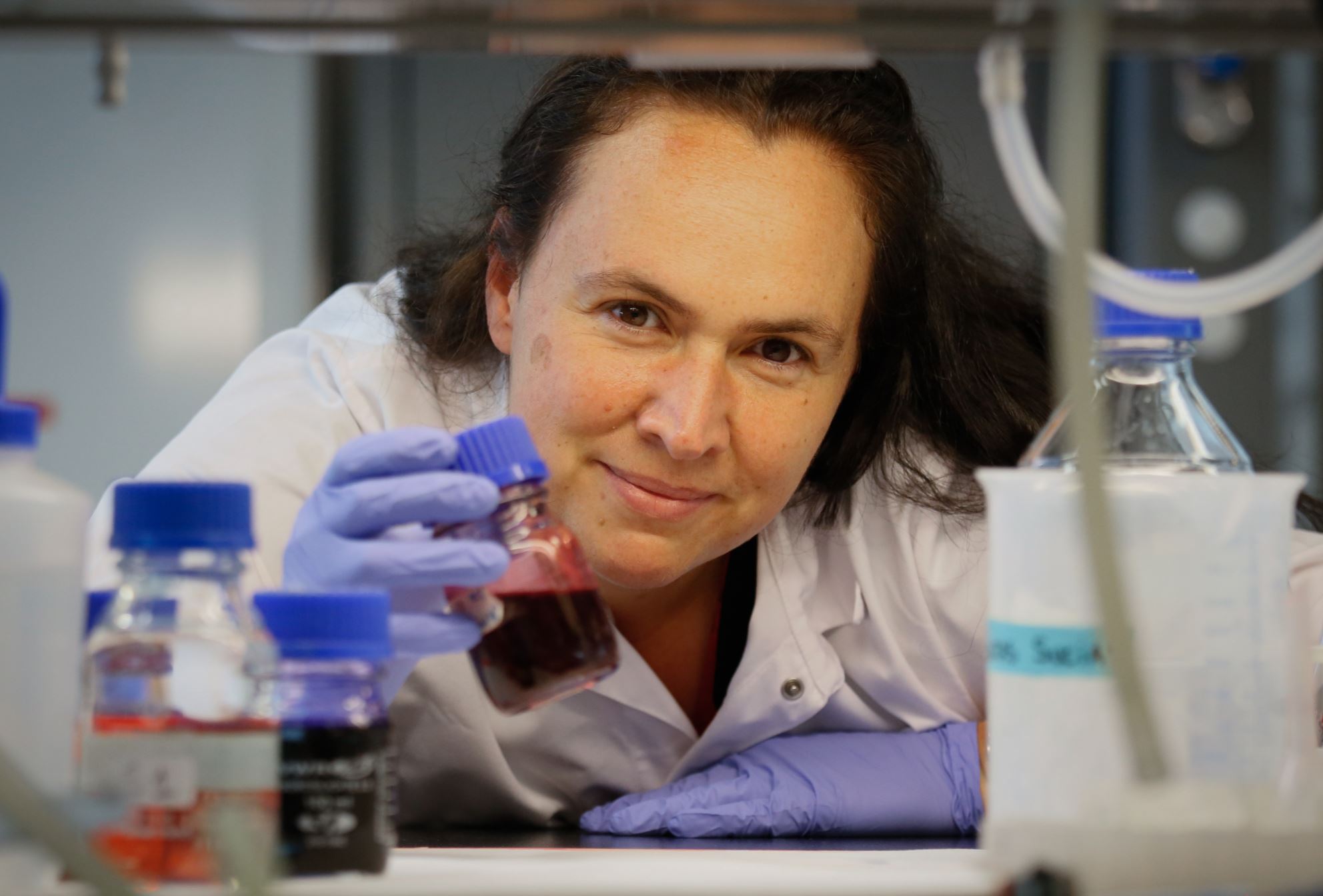 About the CNIC 6 Jul 2021 This project represents a major development in the need to implement early cardiovascular intervention strategies that are capable of reducing the incidence of AD at the advanced ages in Alzheimer's disease |
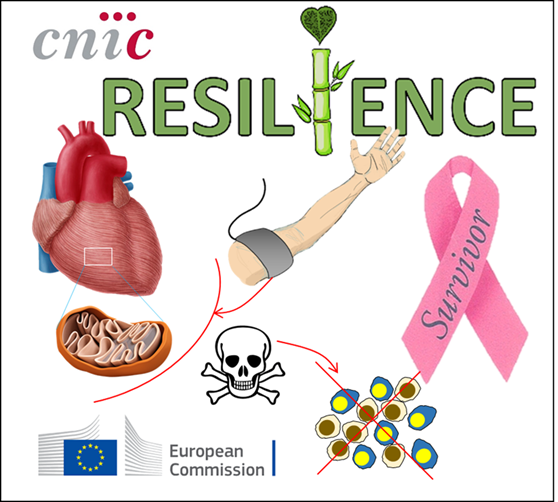 About the CNIC 29 Jun 2021 Over one million European cancer patients suffer from side effects to chemotherapy |
 About the CNIC 9 Jun 2021 The study, published in Nature in 2019, revealed relevant data about the involvement of the protein p38gamma in the development of the main type of primary liver cancer, which affects over a million people a year worldwide |
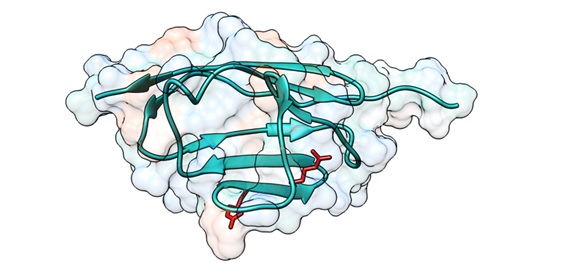 Research 7 Jun 2021 A team led by Dr. Jorge Alegre-Cebollada has shown, for the first time, an association between hypertrophic cardiomyopathy and mechanical alterations to a component of the contractile machinery of the heart |
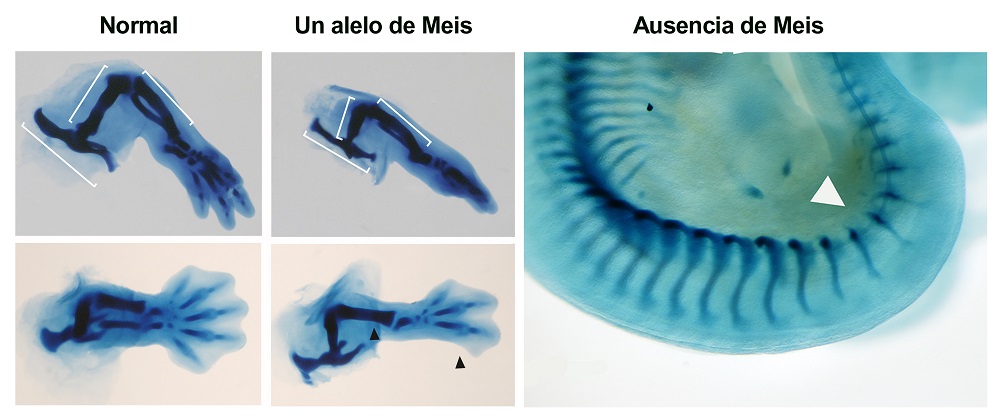 Research 2 Jun 2021 The study, published in Nature Communications, reveals that Meis transcription factors are essential for the formation and antero-posterior patterning of the limbs during embryonic development |
 About the CNIC 10 May 2021 Dr. Torres is a member of the European Molecular Biology Organization (EMBO). Dr. Miguel Torres’s scientific research focuses on the regulation of embryonic development and the formation and regeneration of organs. |
 Research 22 Apr 2021 Ultrafast cardiac magnetic resonance allows precise assessment of heart anatomy and function while reducing healthcare costs and increasing patient comfort |
- ‹ previous
- 9 of 14
- next ›