News search
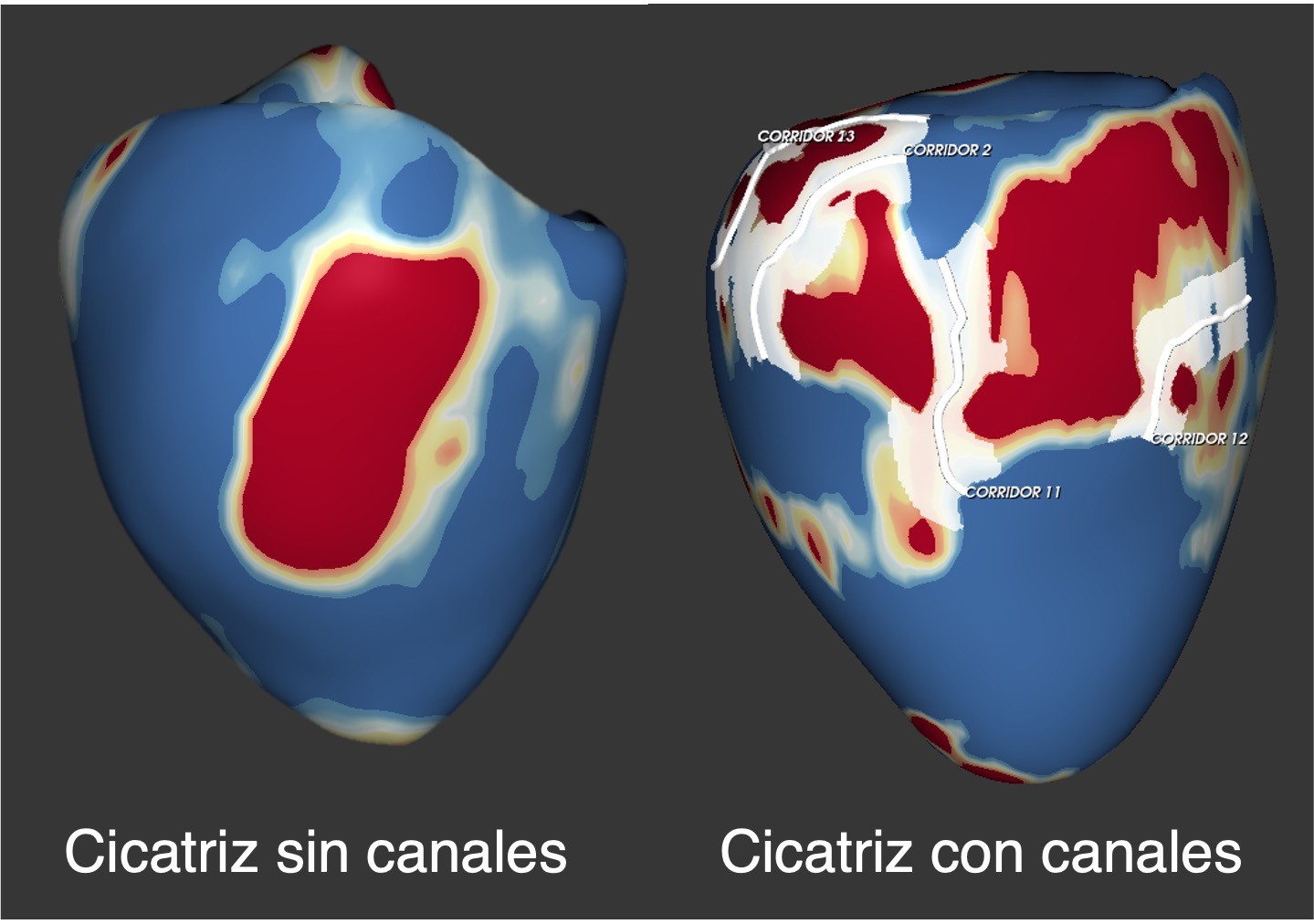 Research 8 Sep 2026 The findings could help more precisely identify candidates for a preventive implantable defibrillator |
 About the CNIC 4 Sep 2026 The research demonstrates the benefit of a new gene silencer for treating the disease |
 About the CNIC 3 Sep 2026 TROPOSplice proposes an evolution-inspired strategy to improve cardiac relaxation in patients with hypertrophic cardiomyopathy and heart failure with preserved ejection fraction. |
 Research 4 Aug 2026 Left ventricular hypertrabeculation, an anatomical feature of the heart traditionally linked to higher risk, does not worsen outcomes in patients with dilated cardiomyopathy |
 Research 7 Jul 2026 Hypertrophic cardiomyopathy is the most common inherited heart disease and the leading cause of sudden cardiac death in young people and athletes |
 Research 28 May 2026 The findings, published in Cardiovascular Research, show that the right ventricle has greater metabolic resilience than the left during cardiac arrest caused by ventricular fibrillation. |
 Research 21 Apr 2026 CNIC scientists identify a biomarker that improves risk prediction in a severe form of heart failure The biomarker MR-proADM improves risk prediction in patients with transthyretin amyloid cardiomyopathy (ATTR-CM) and is associated with greater disease severity, mortality, and heart failure events. |
 Research 3 Sep 2025 Scientists at the Centro Nacional de Investigaciones Cardiovasculares (CNIC), together with cardiologists from Hospital Universitario Puerta de Hierro and the Spanish cardiovascular disease research network (CIBERCV), report that the new discovery makes it possible to identify high-risk patients early and refer them sooner to specialized heart failure units |
 Research 9 Apr 2025 A CNIC team has developed an innovative gene therapy strategy for arrhythmogenic right ventricular cardiomyopathy type 5 (ARVC5), a rare and deadly inherited condition that particularly affects young men |
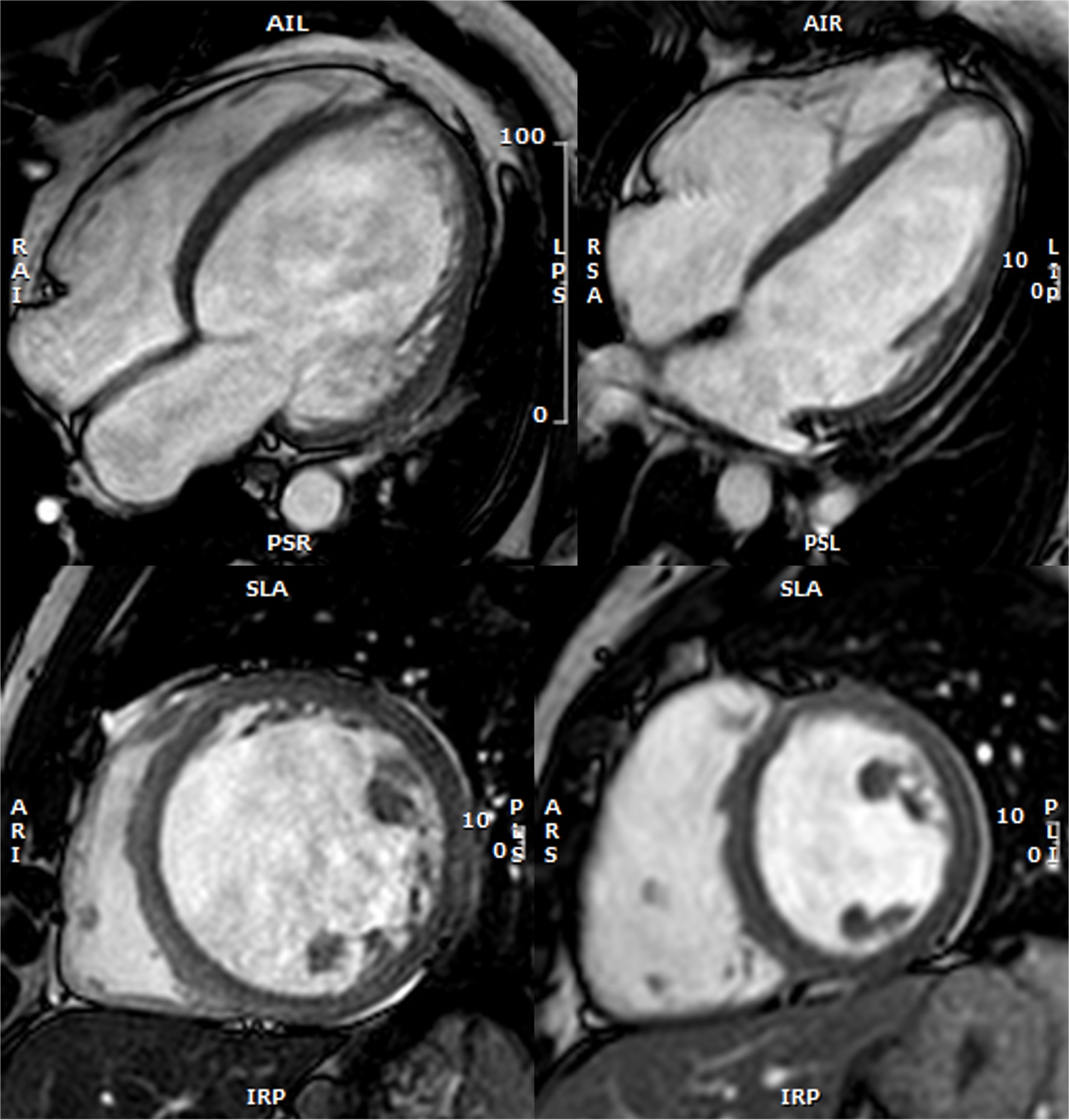 Research 19 Apr 2024 The results, published in JACC, suggest that these factors could be used to predict the risk of developing dilated cardiomyopathy and adapt strategies for patient care and disease detection in genetic carriers of the disease |
- 1 of 2
- next ›