Nature Medicine: Study establishes the role of new treatments for transthyretin amyloid cardiomyopathy


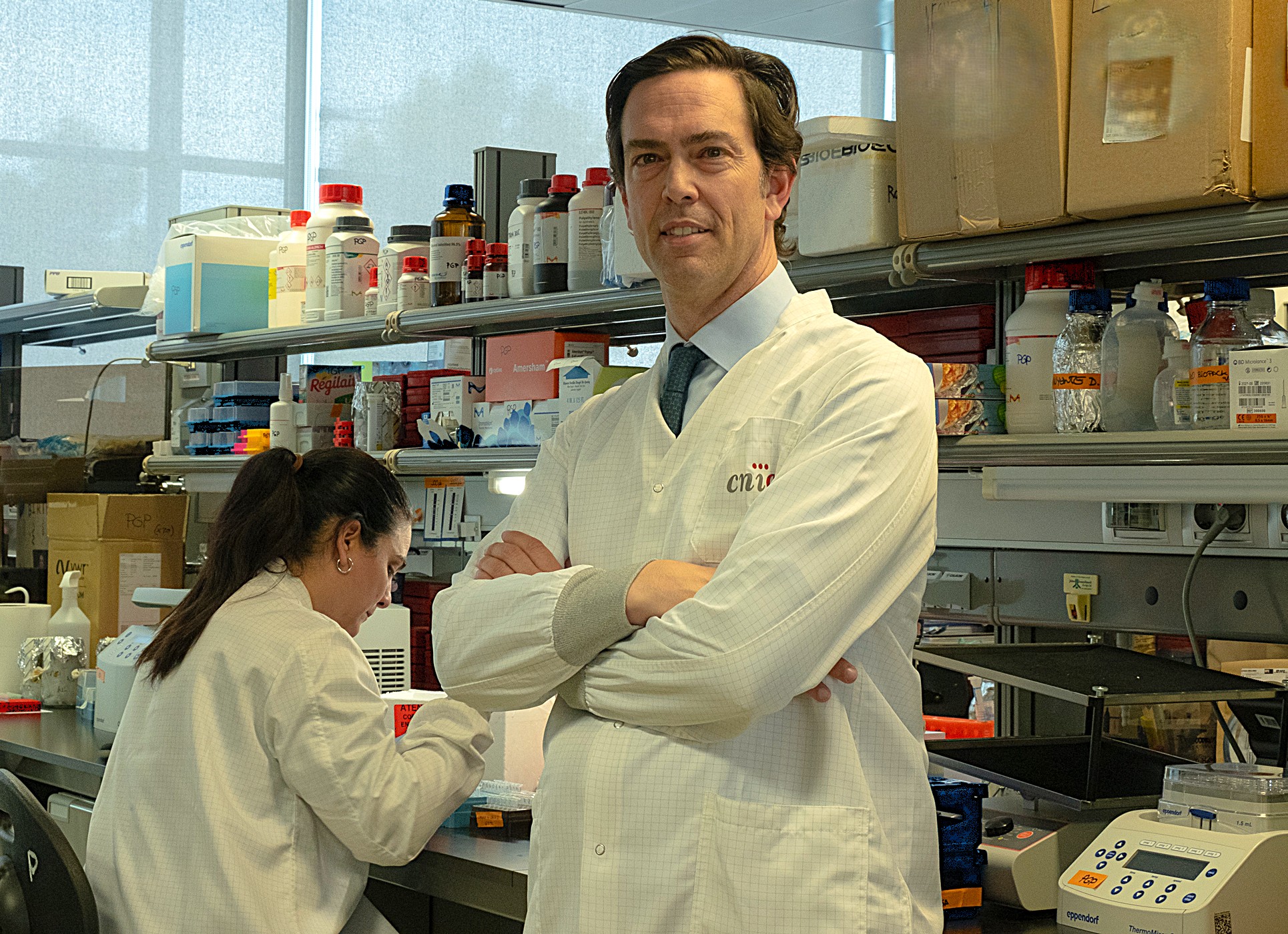
The research demonstrates the benefit of a new gene silencer for treating the disease
An international study demonstrates the clinical benefits of treatment with the gene silencer eplontersen in patients with amyloidosis caused by transthyretin. The study also confirms that patients already receiving background stabilizer therapy see no additional clinical benefit. The research was led by Dr. Pablo García-Pavía, leader of the Inherited Cardiomyopathies group at the Centro Nacional de Investigaciones Cardiovasculares Carlos III (CNIC), head of the Familial Heart Disease Section at Hospital Universitario Puerta de Hierro Majadahonda, and a group leader in the Spanish cardiovascular research network (CIBERCV).
Transthyretin amyloidosis (transthyretin amyloid cardiomyopathy, ATTR-CM) is a serious disease that causes thickening of the heart walls, frequent arrhythmias, and progressive cardiac deterioration leading to symptoms of severe heart failure. Before disease-specific treatments became available, patients with transthyretin amyloidosis had a life expectancy of between 2 and 6 years.
Treatments currently available for the disease include transthyretin stabilizers, which prevent the formation of amyloid (the substance that deposits in the heart walls and causes them to thicken), and gene silencers, which aim to reduce the liver's production of transthyretin protein. The published study set out to determine the effects of treatment with a new transthyretin gene silencer, both as monotherapy and in combination with background stabilizer therapy.
Patients who received the silencer treatment alone experienced clinically meaningful benefits: reduced cardiovascular mortality and recurrent cardiovascular events, and a smaller decline in functional capacity and quality of life. In contrast, no additional benefit from the silencer treatment was observed in patients who were already receiving background stabilizer therapy at the start of the study
The study, part of the CARDIO-TTRansform trial, was sponsored by the pharmaceutical companies AstraZeneca and Ionis and enrolled 1,432 patients from a range of countries. The results were published in Nature Medicine and presented at the European Society of Cardiology Congress (ESC 2026).
Dr. García-Pavía is one of the world's leading experts on this disease and led the European Society of Cardiology's position paper on the diagnosis and treatment of cardiac amyloidosis, establishing the recommendations followed worldwide for diagnosing and treating this condition.
Dr. García-Pavía's group is internationally recognized as one of the leading teams working on this disease, and years ago demonstrated that this condition — previously considered very rare — is one of the most common causes of heart failure in people older than 65.