Job Verdonschot: "The next challenge is the full integration of genetics into cardiology training programs"


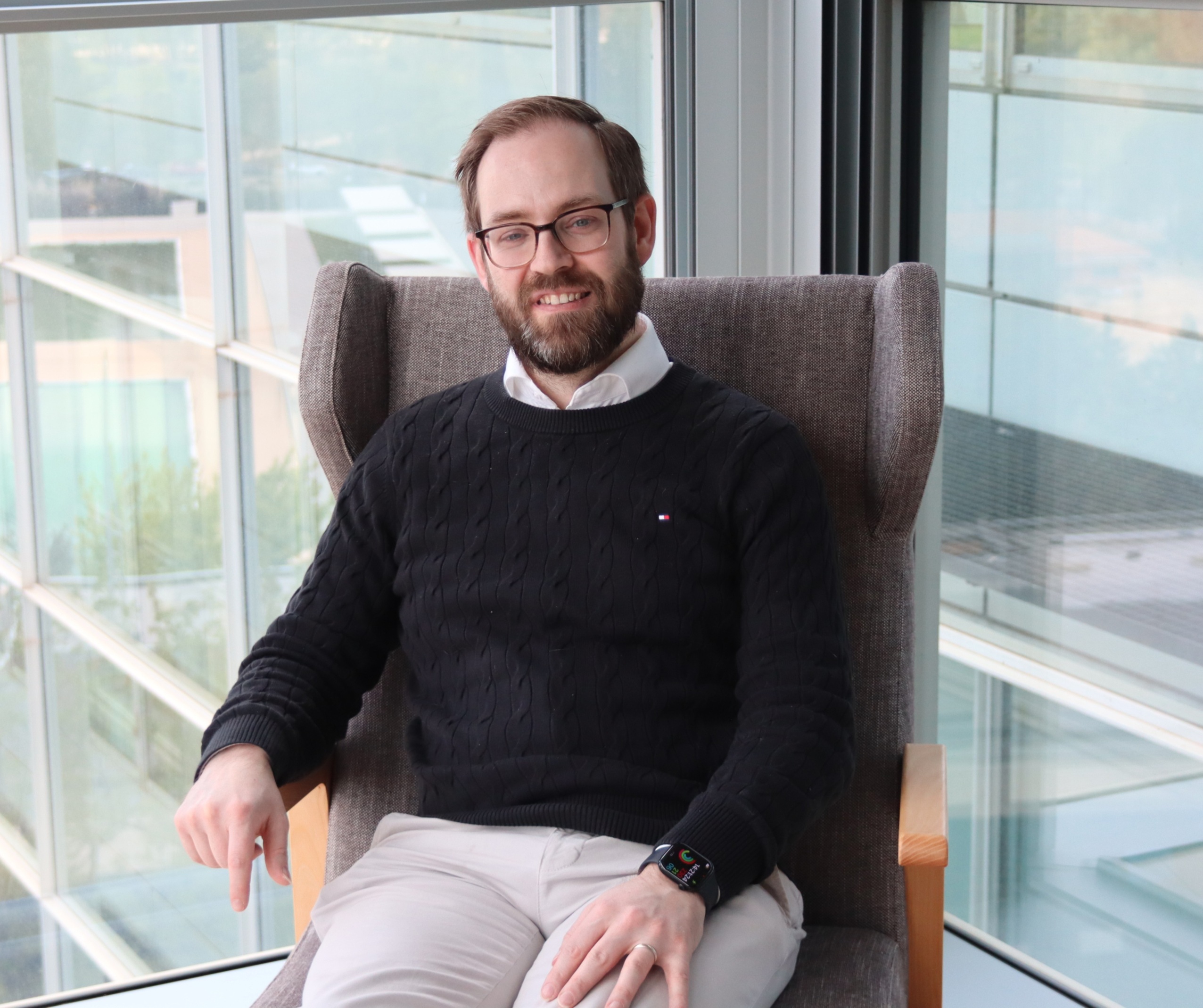
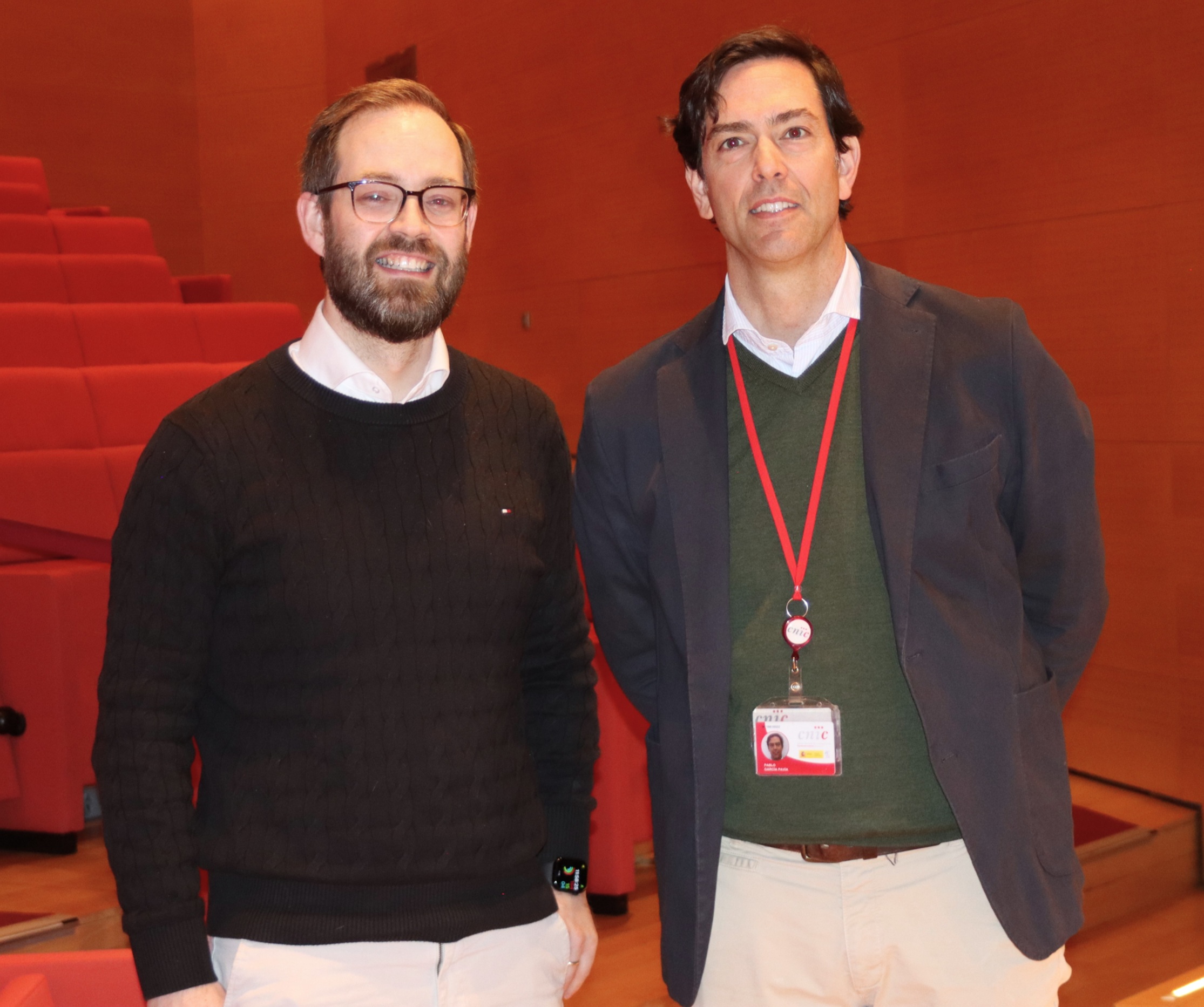
Job Verdonschot, Maastricht University Medical Center, and the Cardiovascular Research Institute Maastricht
Job Verdonschot, MD, PhD, is a clinical geneticist and associate professor at the Maastricht University Medical Center and the Cardiovascular Research Institute Maastricht. Within the Department of Cardiology, he is the director of the Cardiogenetics Unit, which is an essential part of the expertise center for rare inherited cardiac diseases.
With funding from (inter)national consortia grants, as well as prestigious fellowships from the Dutch Heart Foundation and the Dutch Research Council, he has been able to expand his research group. His work focuses on integrating genetic testing results into the clinical care of cardiomyopathy patients and their families by cardiologists.
Although knowledge of the genetic basis and clinical impact of genetic testing is increasing, there are still barriers to its implementation in daily practice. As co-organizer of the Dutch course on cardiogenetics and chair of the Dutch Working Group on Cardiogenetics, efforts are being made to include cardiogenetics as an essential part of cardiology education.
- What motivated you to specialize in cardiogenetics? It’s not a very common field.
That’s true—it’s not widely represented in medical training. I started in biomedical sciences, where I was trained in laboratory research. During my final internship, I worked in cardiogenetics, focusing on molecular cardiogenetics. It wasn’t part of a long-term plan—it just happened.
Later, I went to medical school intending to become a cardiologist. However, once I started clinical work, I realized it wasn’t the right fit for me. During a cardiology internship, I discovered cardiogenetics, and it felt like the perfect combination. It allows me to solve complex cases while also interacting with patients, especially through counseling about what genetic findings mean for them and their families.
- How do you explain cardiogenetics to someone unfamiliar with the field?
I usually say that I see patients with heart disease who want to understand why they got the disease and what it means for their family. For example, they often ask whether their children could develop the same condition.
I help by assessing whether a disease could be genetic, guiding patients through genetic testing, and explaining the results and their implications for both the patient and their relatives.
- How challenging is it to guide families in preventing genetic heart diseases?
It can be quite challenging because people react very differently to genetic information. Some patients are not very concerned when a mutation is found, while others feel overwhelmed and may need psychological support. Also, family dynamics and interaction can be challenging. But it is very important that family members at risk are informed, even if the relationships within the family are not close.
I spend time helping patients understand their reactions and cope with the information. Family members also respond differently; some want to be tested immediately, while others need time to consider the pros and cons. It’s a very personal process.
- How well is cardiogenetics integrated into cardiology practice today?
It’s improving, but it’s still not fully integrated. Many cardiologists don’t routinely consider genetics, partly because it’s not strongly emphasized in training.
However, genetics has become essential, especially in conditions like cardiomyopathies. It can significantly impact patient care and family screening, so it should become a standard part of cardiology practice.
- What role do families play in cardiogenetics?
Families are central. First, they are often the reason patients seek genetic testing—most people say they do it for their children.
Second, the results often matter more for family members than for the patient. If a genetic mutation is found, relatives may also be at risk. That’s why understanding family relationships and communication is crucial.
- What is the role of patient associations?
Patient organizations are extremely important, especially because genetic diseases are often rare. They help raise awareness, connect patients, and support research efforts.
They also collaborate with healthcare professionals and play a key role in promoting clinical trials and improving understanding of these conditions.
- Do we have reliable data on how many people are affected in Europe?
It’s difficult to provide exact numbers. Cardiomyopathies are a broad group of diseases, and only some are genetic. Additionally, many patients have not undergone genetic testing, so cases are often underdiagnosed.
This is why there is a strong push for more widespread genetic testing.
- How is cardiomyopathy management evolving internationally?
There has been significant progress. Specialized groups and councils focused on cardiovascular genetics are producing guidelines and recommendations.
However, genetics is still mainly adopted by those already interested in it. The next challenge is to fully integrate it into cardiology training programs.
- What research directions are most promising for improving patient outcomes?
Two areas stand out. First, improving risk prediction. When someone has a genetic mutation, we often don’t know whether they will develop the disease. Being able to predict this more accurately would greatly help patients and families.
Second, developing therapies—especially gene therapy. This field is advancing quickly, although it is still in its early stages.
- Is gene therapy progressing quickly in this field?
Yes, but it’s still early. Safety remains a key concern, and some trials have been stopped due to complications. One of the biggest challenges is delivering the therapy effectively to the heart.
- Do patients consider reproductive options after a genetic diagnosis?
Yes, increasingly so. Many patients ask about options like preimplantation genetic testing (PGT) to avoid passing on a genetic condition.
In the past, this was mainly used for severe early-onset diseases, but perspectives have changed. Now, certain cardiac genetic conditions are also considered, and awareness is growing.
- Do you collaborate with other centers internationally?
Yes, I’ve been collaborating with colleagues in Madrid since early in my PhD. We continue to work closely together. I was awarded a travel grant in 2020 to visit the CNIC for three months, but unfortunately, the COVID-19 pandemic prevented that. I hope to have the opportunity to visit in the future.