Genome Biology: A new online tool developed by CNIC scientists makes it easier to integrate data and uncover the biological mechanisms behind disease


To understand how cells and organisms work, scientists gather vast amounts of biological data from many different sources. In recent years, researchers have begun to routinely use high-throughput approaches known as omics to gain a global view of biological processes and disease. This approach is known as systems biology.
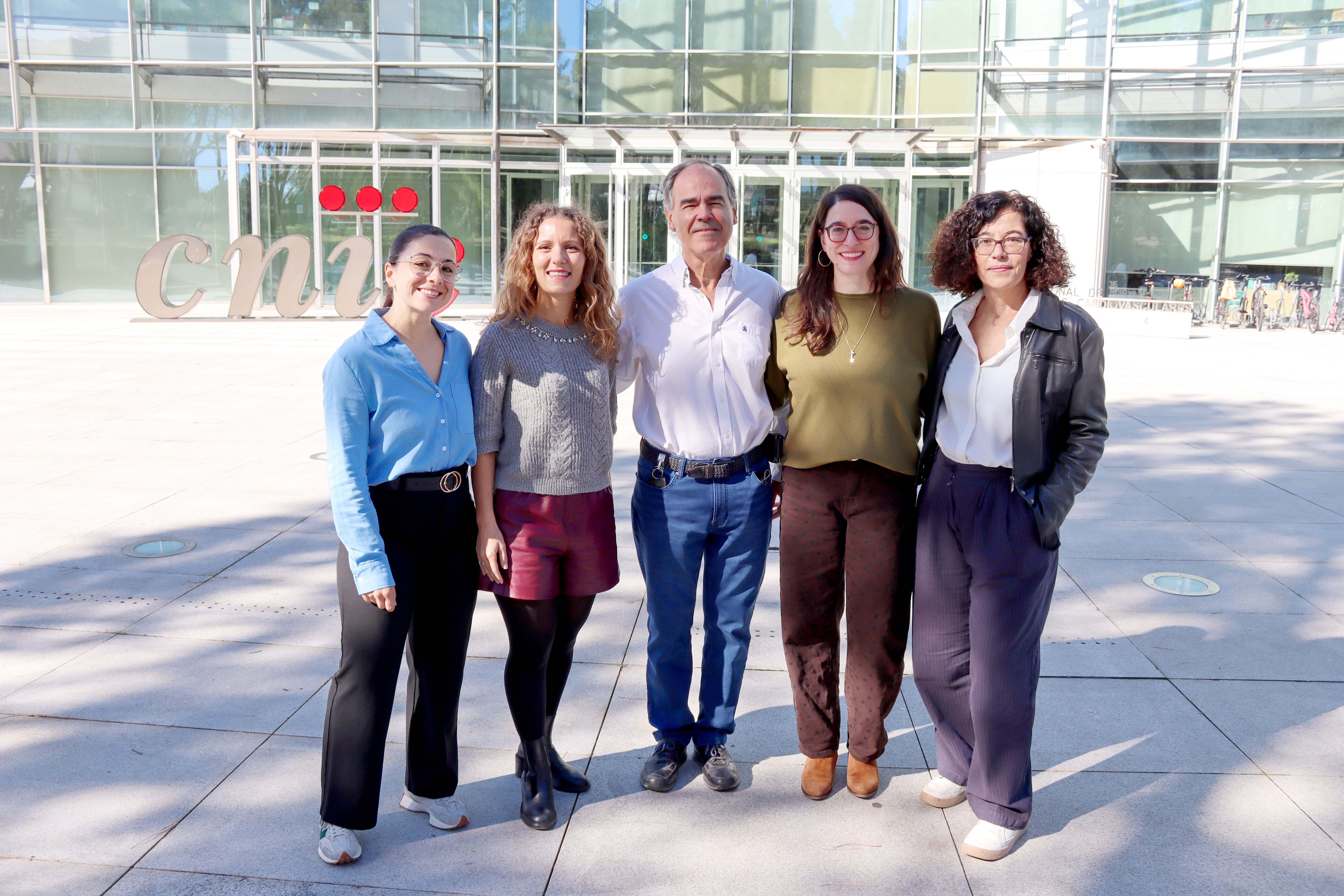
However, integrating the data produced by different omics techniques so that they can be interpreted together coherently remains a complex task, and in most cases requires advanced programming and statistical expertise. To address this challenge, researchers at the Centro Nacional de Investigaciones Cardiovasculares Carlos III (CNIC) and Centro de Investigación Biomédica en Red de Enfermedades Cardiovasculares (CIBERCV), have developed TurbOmics, a new open-access web platform that makes it simple and intuitive to integrate and analyze data from different omics technologies, and is accessible to researchers from widely varied disciplines. The study is published in Genome Biology.
Metabolomics poses a particular problem. “Unlike other omics, identifying the compounds this technology detects is not straightforward and requires laborious subsequent validation,” explains Alessia Ferrarini, head of the CNIC Metabolomics Platform and co-leader of the study. “Combining these data with genomic or proteomic information makes the task considerably more complex,” adds Jesús Vázquez, who also co-led the study.
TurbOmics was designed precisely to overcome these barriers and enable joint analysis of different types of biological data from a single graphical interface. According to Annalaura Mastrangelo, another co-leader of the study, “the platform allows researchers from very different disciplines to apply advanced multi-omic integration methods without the need for specialist programming skills.”
“The platform includes tools to prepare, normalize, and explore the data, as well as advanced algorithms that can identify biological patterns shared across different layers of information,” says researcher José Manuel Rodríguez, co-first author of the study. With these features, users can turn large volumes of complex data into results that are much easier to interpret, presented as exportable graphs and tables.
Drs. Ferrarini and Mastrangelo also point out that TurbOmics integrates with TurboPutative, a tool the authors developed previously to simplify metabolite identification in untargeted metabolomics studies. Together, the two tools streamline the entire analysis workflow, from the initial annotation of compounds to the biological interpretation of the results.
To evaluate TurbOmics’ performance, the researchers applied it to two multi-omic datasets in collaboration with the CNIC B Lymphocyte Biology group, led by Almudena Ramiro. Analyzing the different types of data together revealed biologically meaningful processes that went unnoticed when each type was studied separately.
According to the authors, the platform is an important step toward expanding access to multi-omic integration methods and enabling the scientific community to harness the full potential of metabolomic data. The collaboration of different CNIC groups on this study contributes to the development of open bioinformatics tools that facilitate biomedical research and speed up the discovery of new insights into biological mechanisms and disease.
This study was funded through competitive calls: PID2021-122348NB-I00, funded by MICIU/AEI/10.13039/501100011033 and by the ERDF, A way of making Europe; PLEC2022-009298, PLEC2022-009235, and EQC2021-007053-P, funded by MICIU/AEI/10.13039/501100011033 and by the European Union NextGenerationEU/PRTR; and S2022/BMD-7333-CM (INMUNOVAR-CM), funded by the Comunidad de Madrid. The project also received funding from the “la Caixa” Foundation under project code LCF/PR/HR22/52420019.