News search
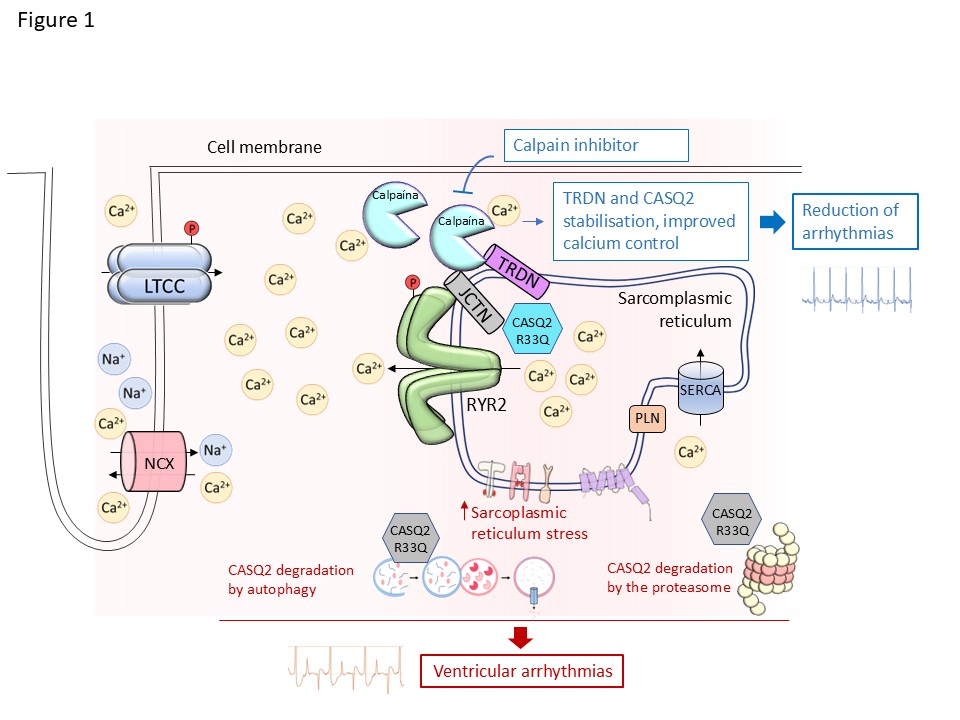 Research 23 Sep 2026 Researchers at the CNIC, in collaboration with the University of Pavia and IRCCS Istituti Clinici Scientifici Maugeri, have found that activation of the enzyme calpain contributes to the development of a severe inherited arrhythmia. |
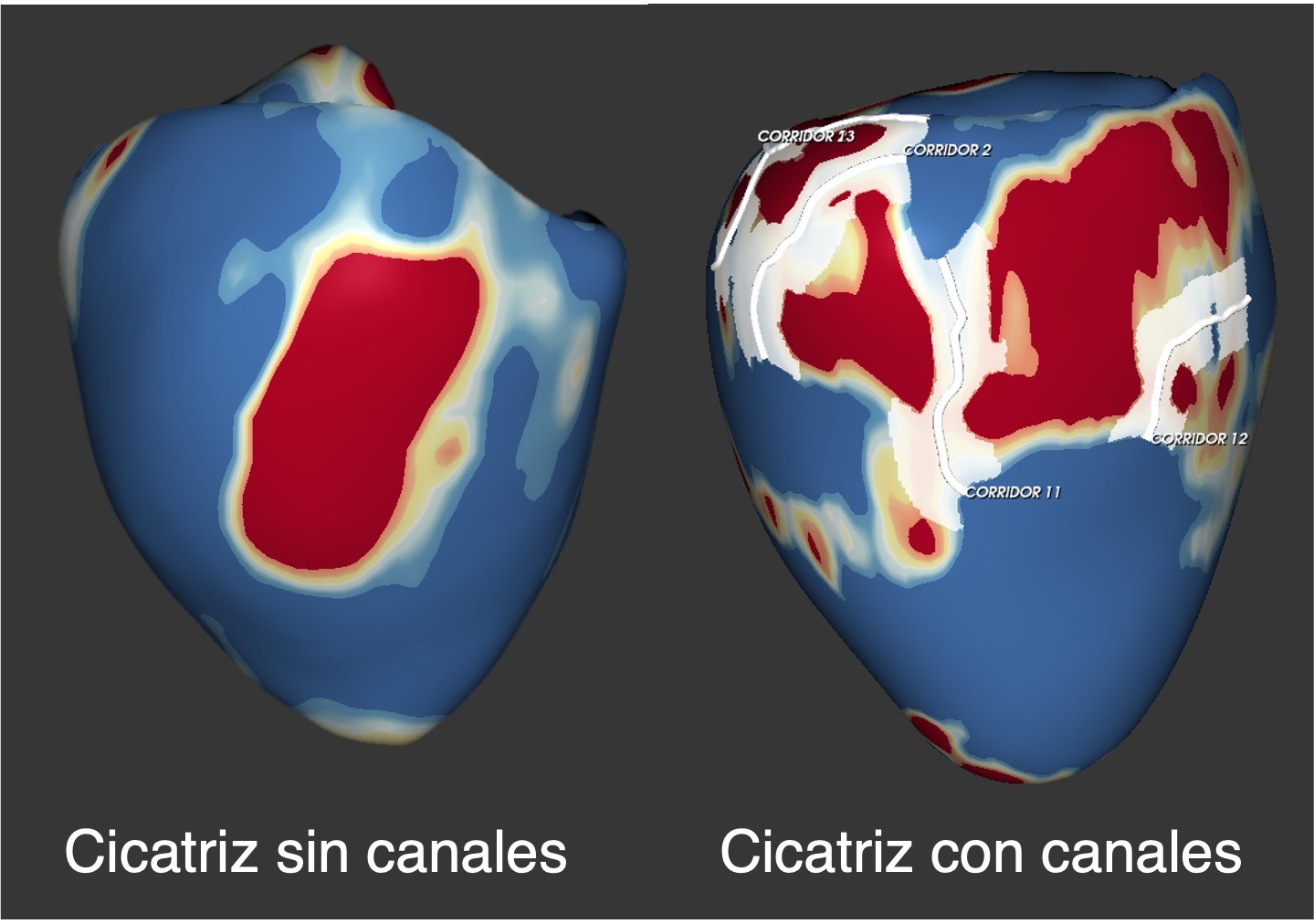 Research 8 Sep 2026 The findings could help more precisely identify candidates for a preventive implantable defibrillator |
 |
 Research 10 Feb 2026 The study, published in Circulation Research, identifies cardiac fibroblasts and resident macrophages as essential contributors to the characteristic electrical activity that maintains this arrhythmia |
 About the CNIC 17 Jun 2025 The projects—led by Drs Almudena Ramiro, José Antonio Enríquez, and Silvia Priori—will receive a total of €5.25 million for CNIC research over the next 5 years |
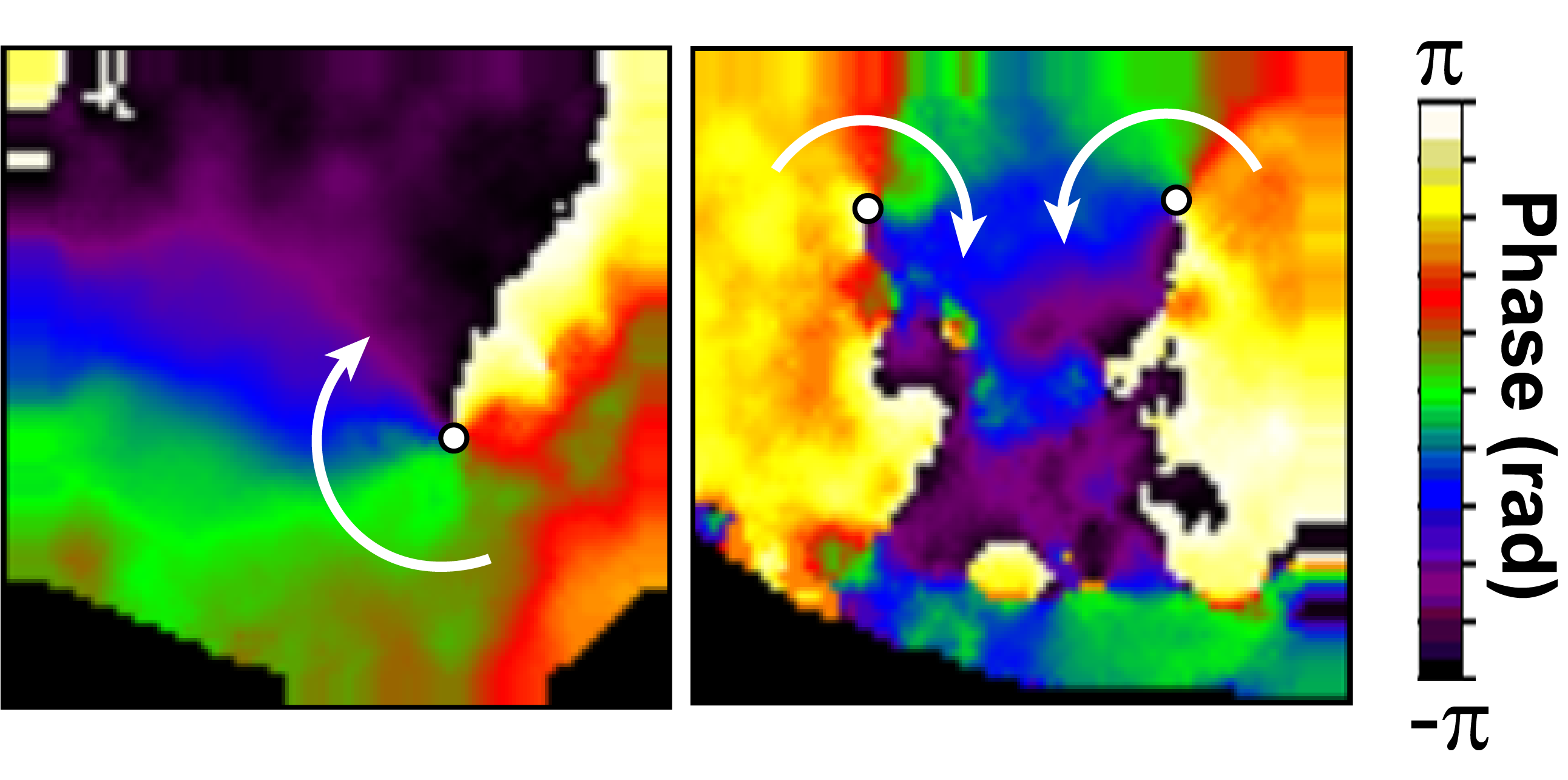
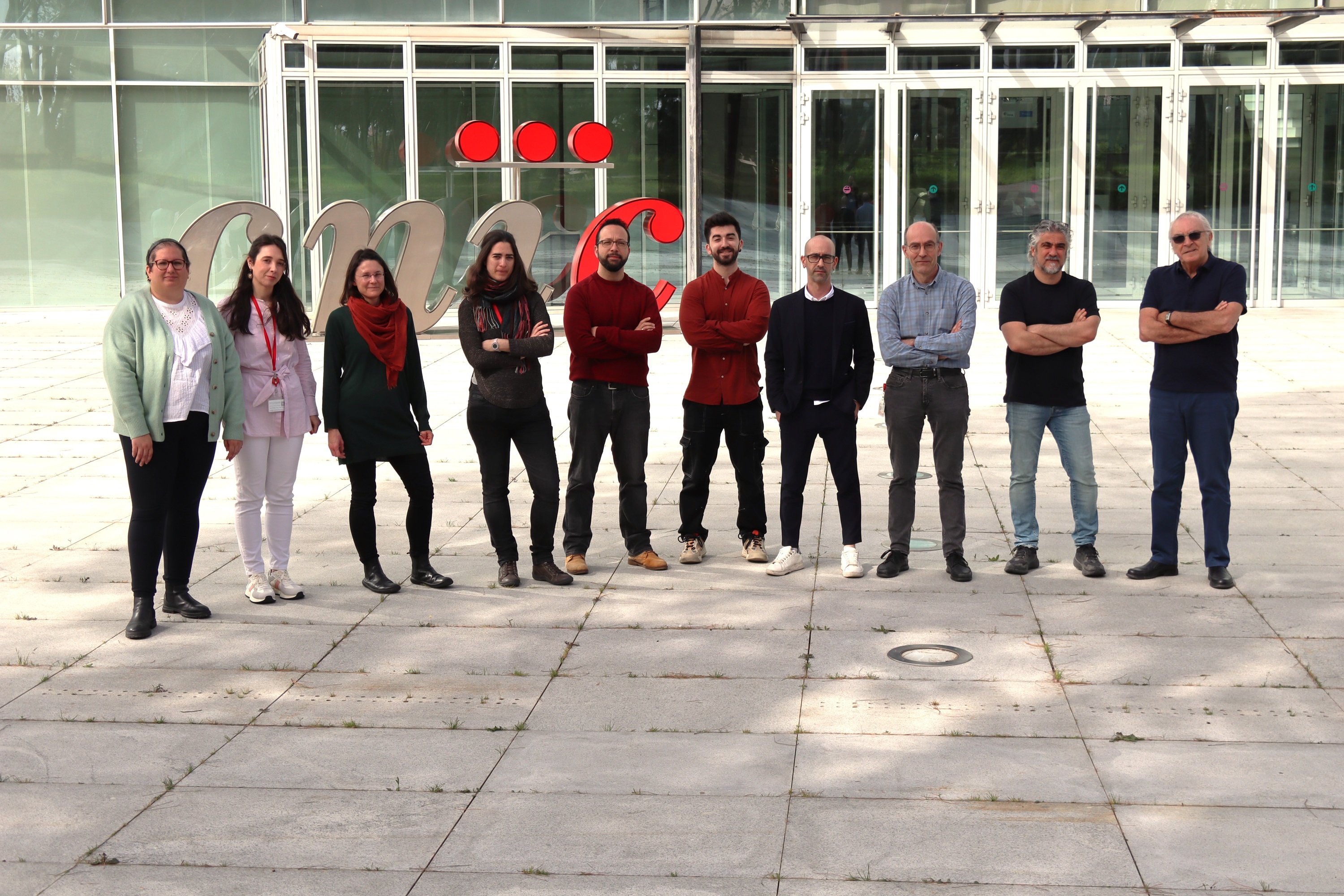 Research 11 Apr 2024 CNIC researchers, led by Dr. José Jalife, have made a key discovery about cardiac arrhythmias in Andersen-Tawil syndrome (ATS) |
 |
 |
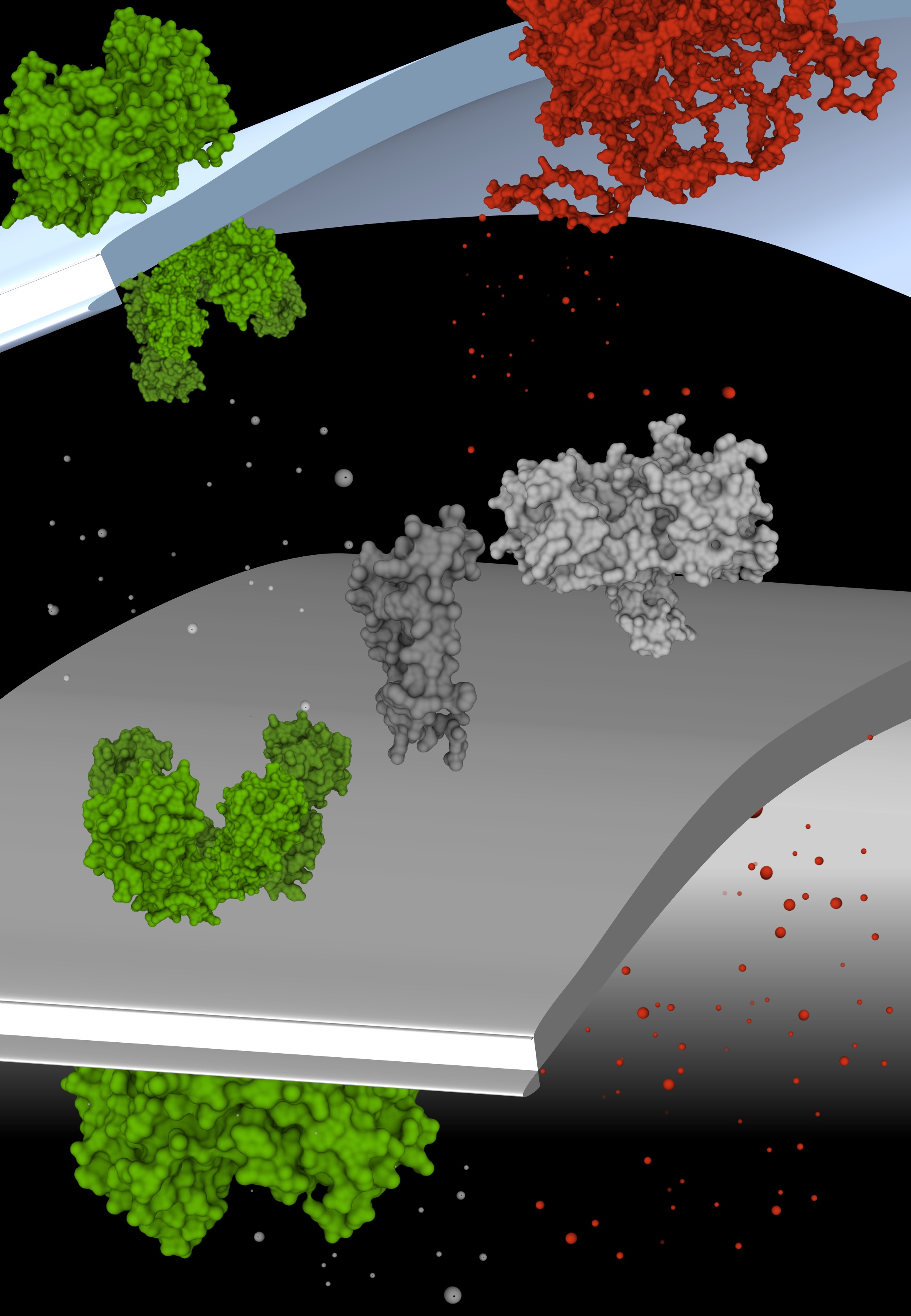 Research 3 Nov 2022 CNIC scientists have identified a molecular mechanism that accounts for the arrhythmias, skeletal muscle weakness, and periodic paralysis in patients with this rare disease |
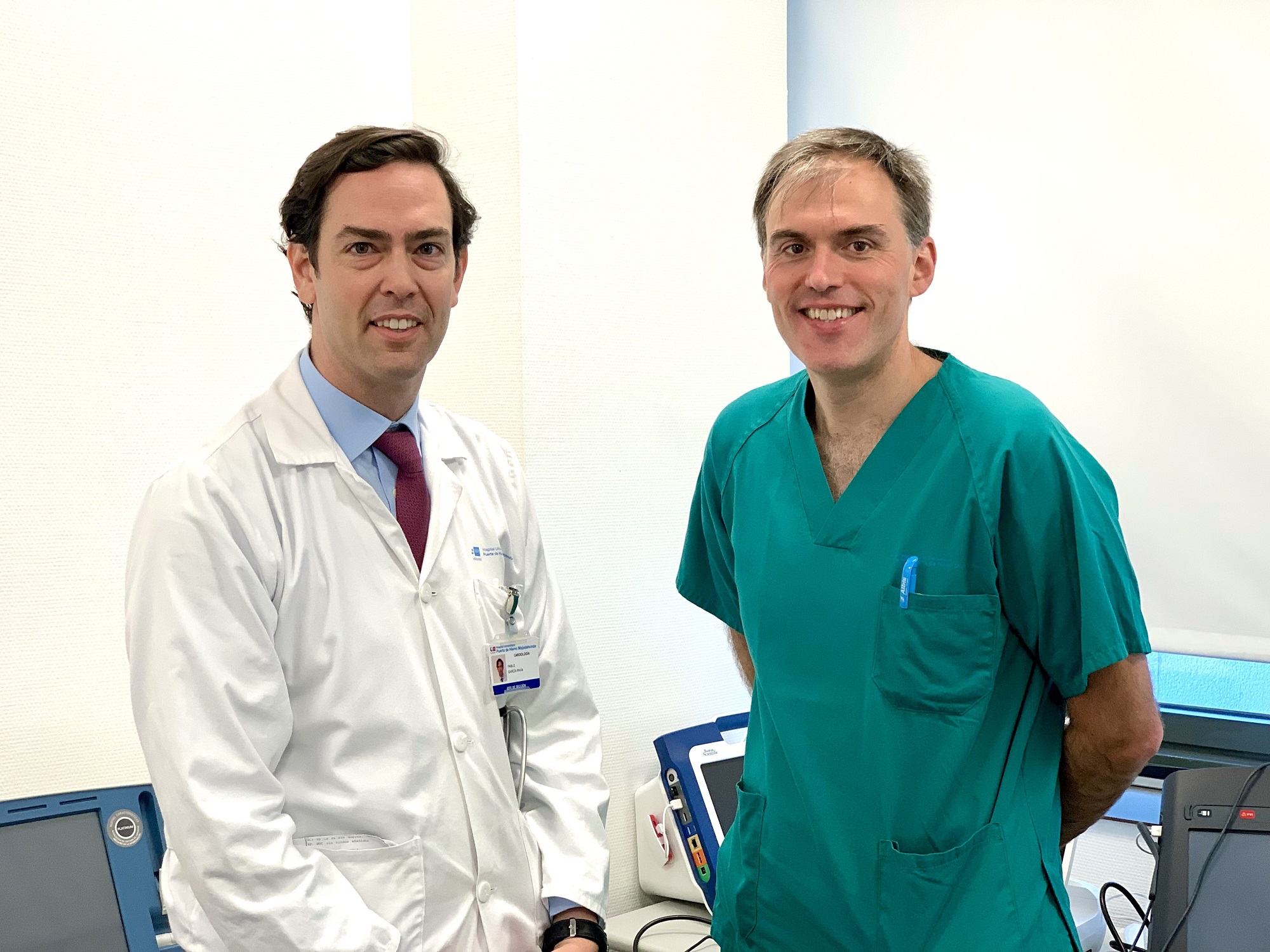 Research 22 Jul 2022 Genetic screening combined with the detection of fibrosis identifies patients at risk of malignant arrhythmias or developing heart failure with severe complications |
- 1 of 2
- next ›