News search
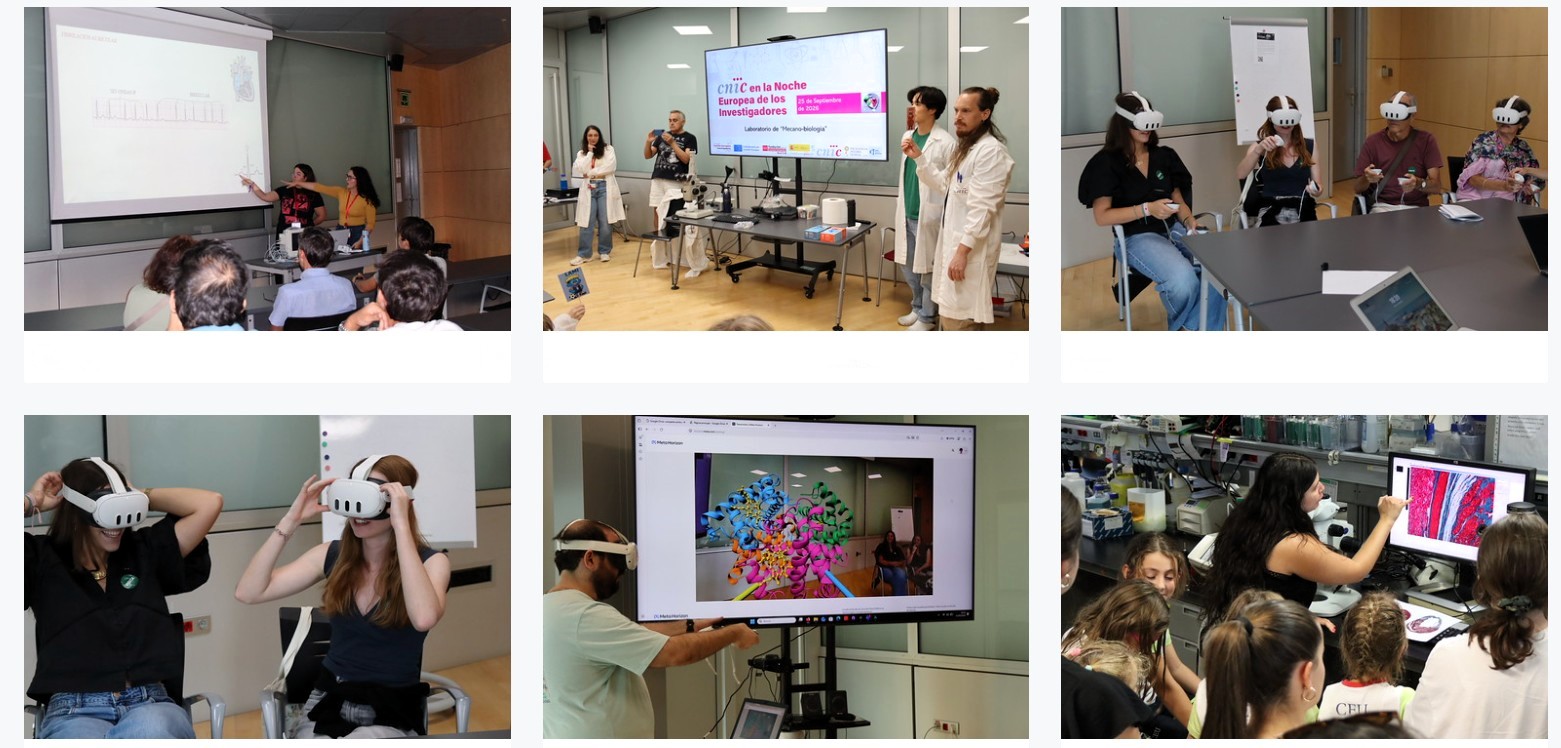 About the CNIC 28 Sep 2026 The CNIC organised five events open to the public of all ages to celebrate the 17th European Researchers’ Night |
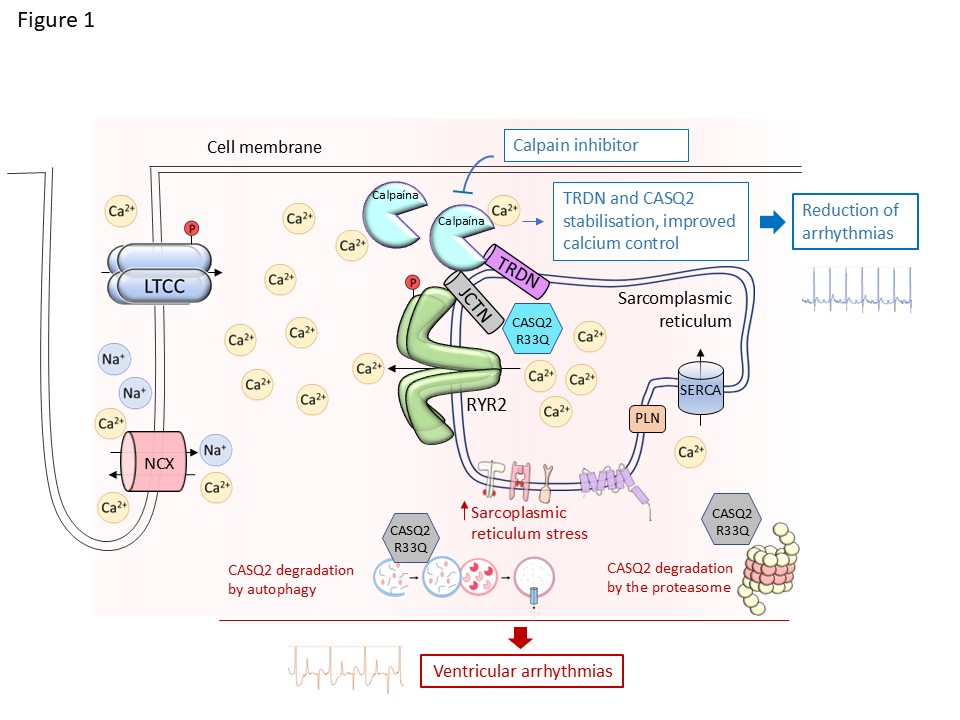 Research 23 Sep 2026 Researchers at the CNIC, in collaboration with the University of Pavia and IRCCS Istituti Clinici Scientifici Maugeri, have found that activation of the enzyme calpain contributes to the development of a severe inherited arrhythmia. |
 Research 11 Sep 2026 A new study, published in the Journal of the American Heart Association, shows that individuals with elevated levels of both proteins have twice the risk of cardiovascular events. |
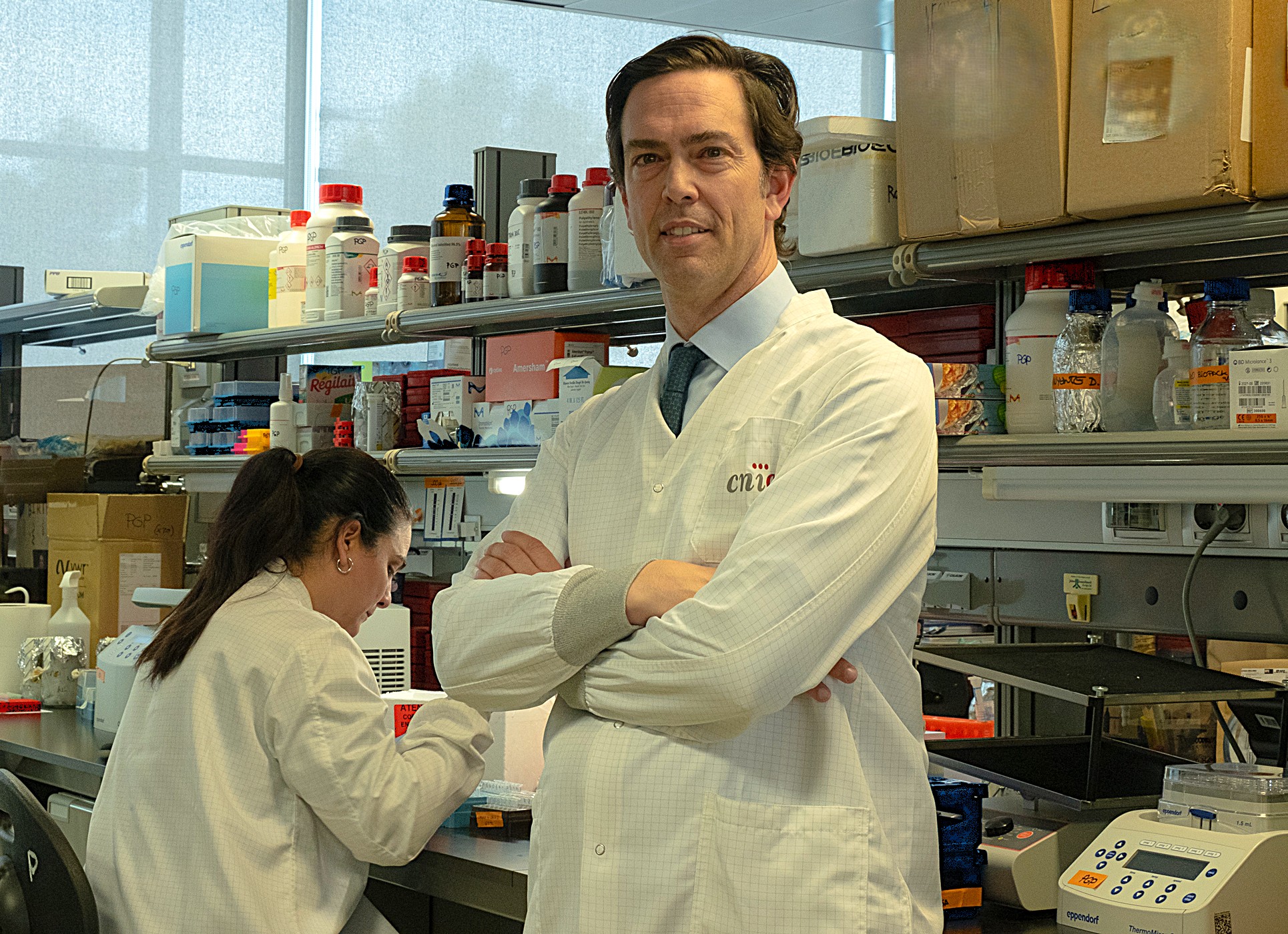 About the CNIC 4 Sep 2026 The research demonstrates the benefit of a new gene silencer for treating the disease |
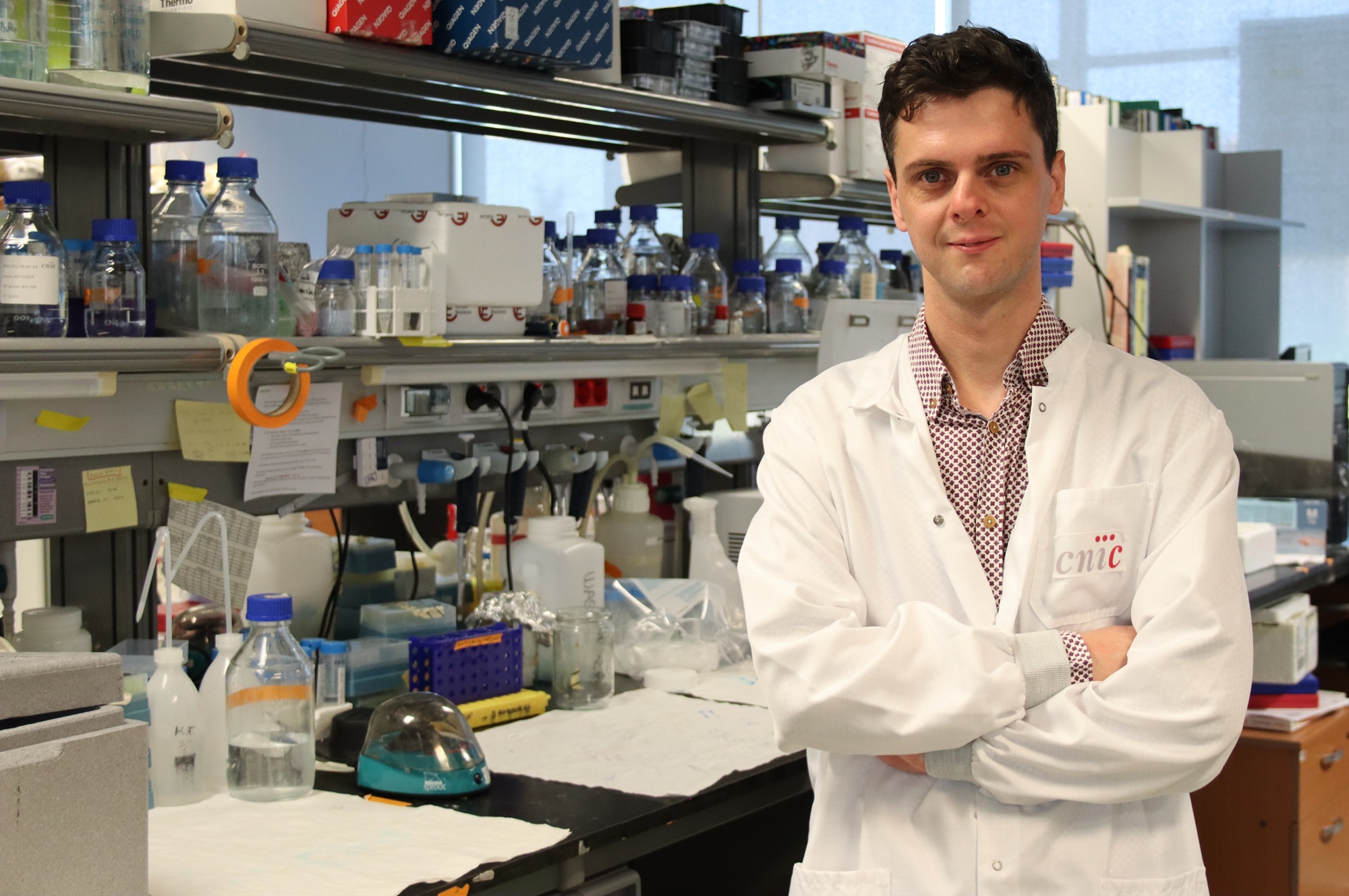 About the CNIC 3 Sep 2026 TROPOSplice proposes an evolution-inspired strategy to improve cardiac relaxation in patients with hypertrophic cardiomyopathy and heart failure with preserved ejection fraction. |
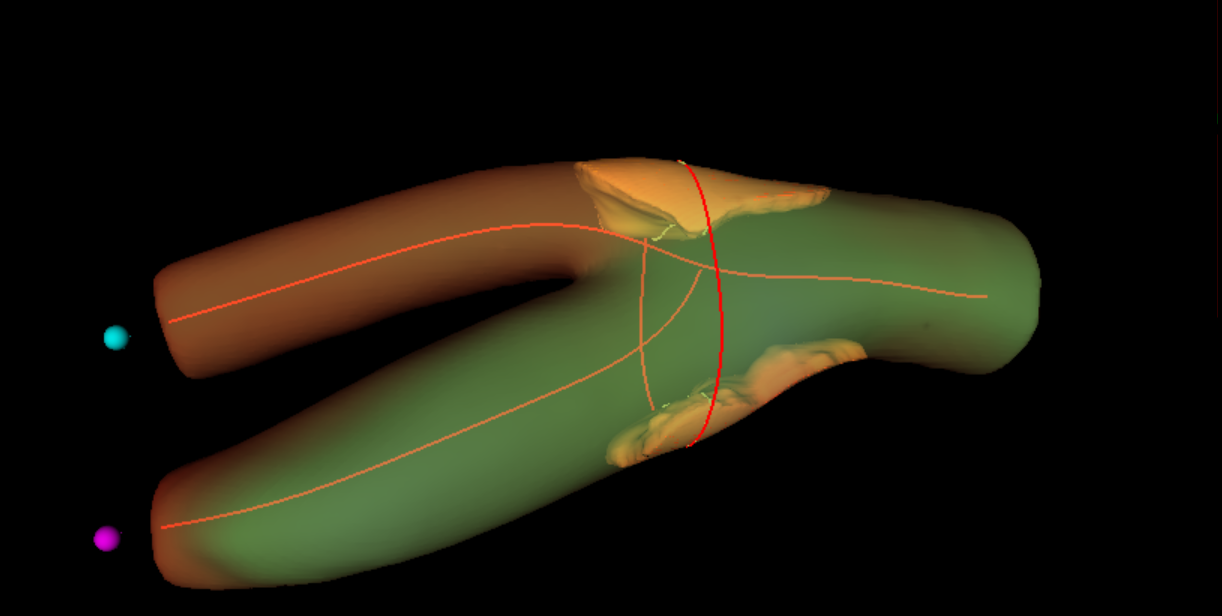 Research 29 Aug 2026 The research, presented in a Hot Line session at the European Society of Cardiology Congress in Munich and published simultaneously in The New England Journal of Medicine, proposes a paradigm shift towards prevention based on early detection through vascular imaging |
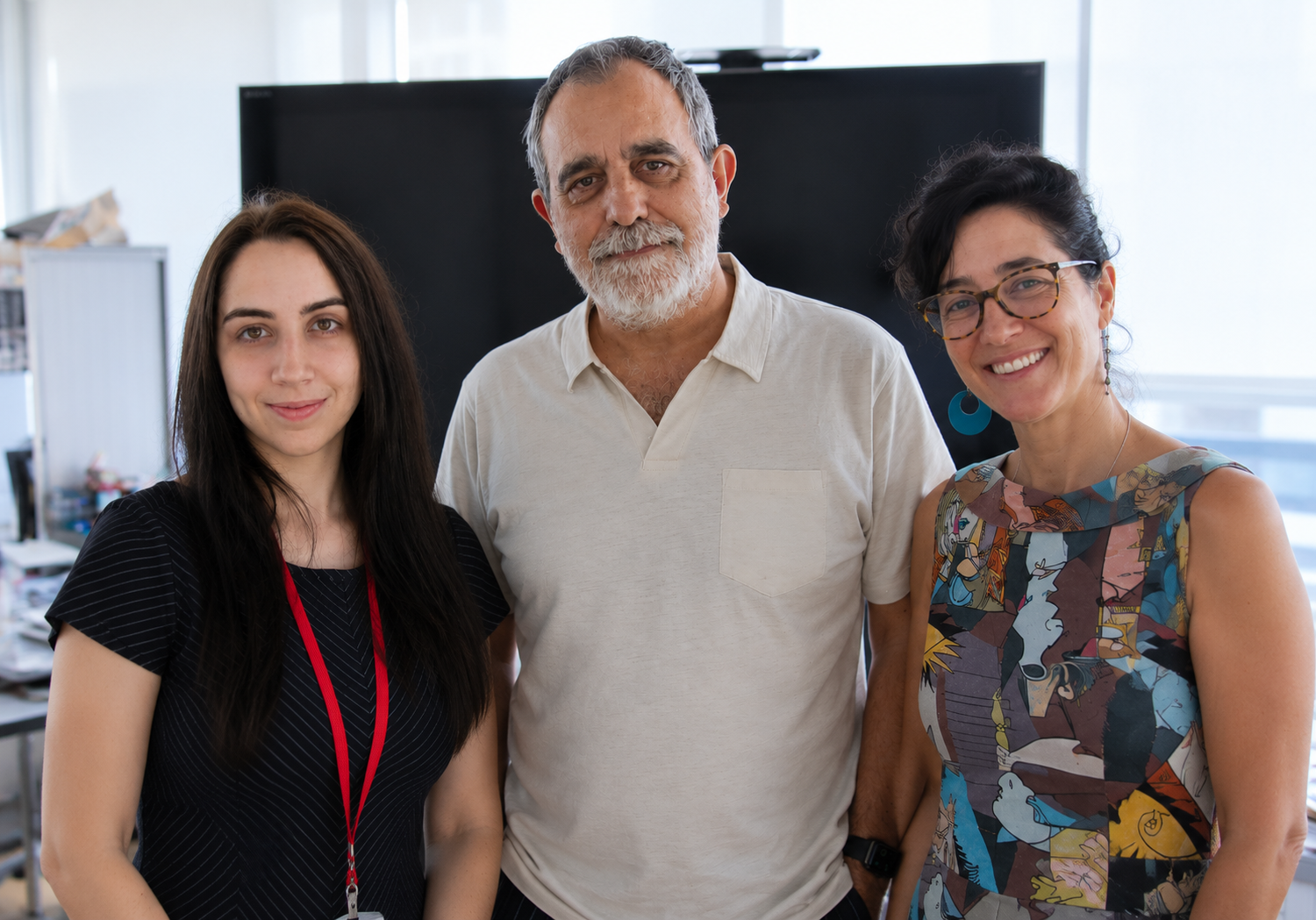 Research 6 Aug 2026 The protein, OMA1, delays immune-system overactivation, liver fibrosis, and liver cancer during aging |
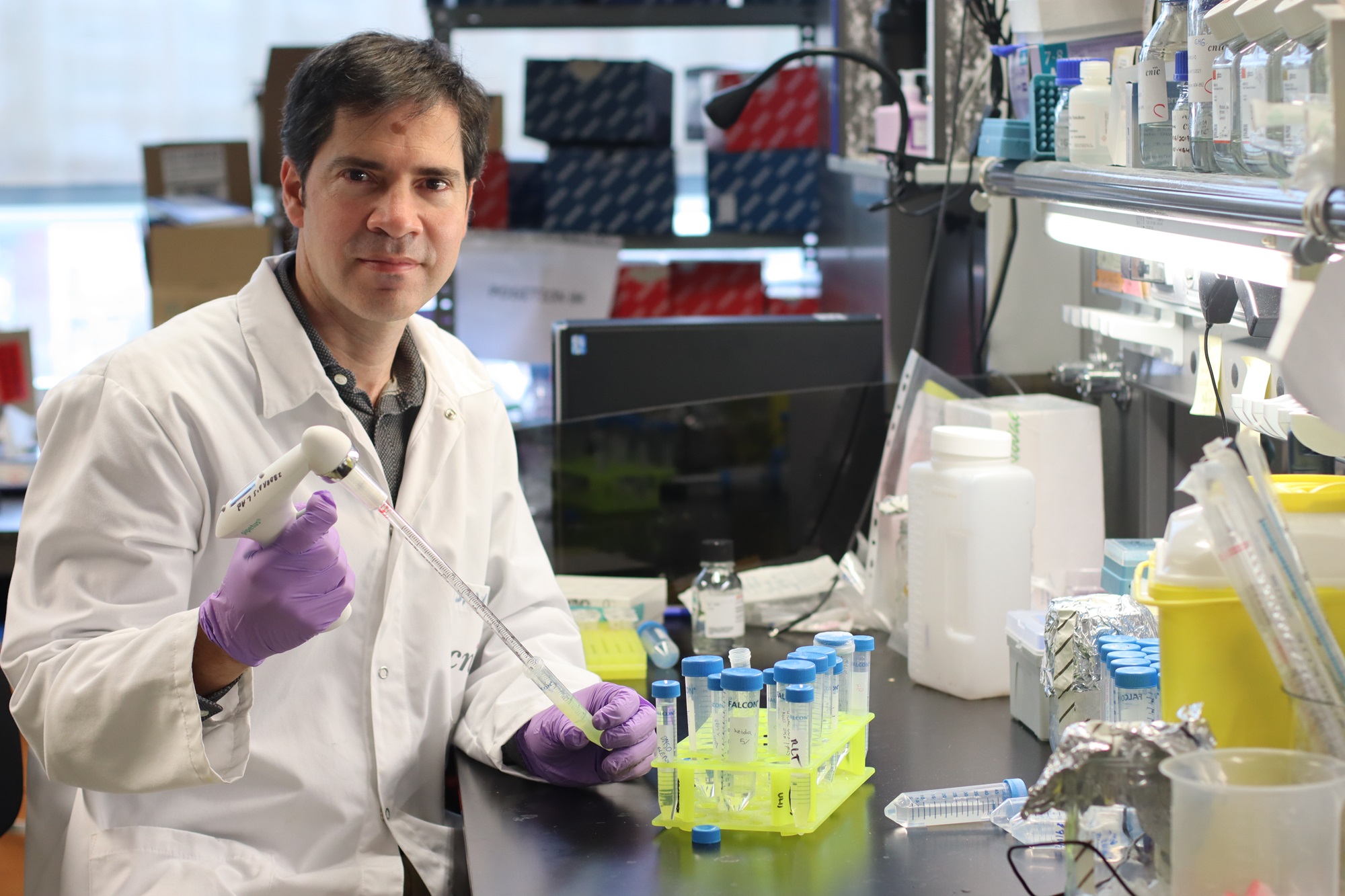 About the CNIC 20 Jul 2026 The Foundation recognises the pioneering research into the link between gut microbiota and cardiovascular disease led by David Sancho at the CNIC |
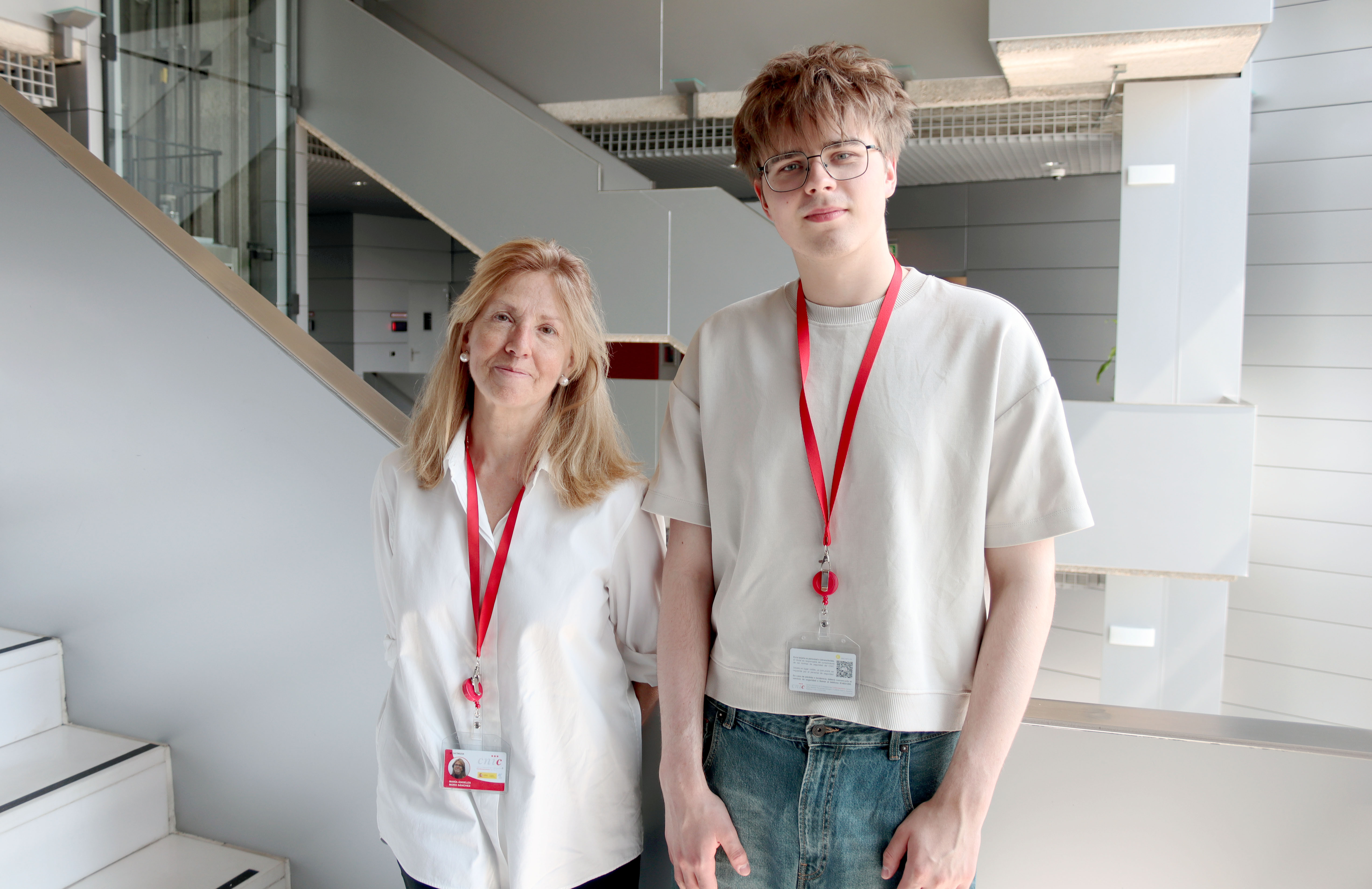 About the CNIC 15 Jul 2026 The young Lithuanian researcher was recognised for a project on new molecular targets for the antiviral treatment of intestinal infections |
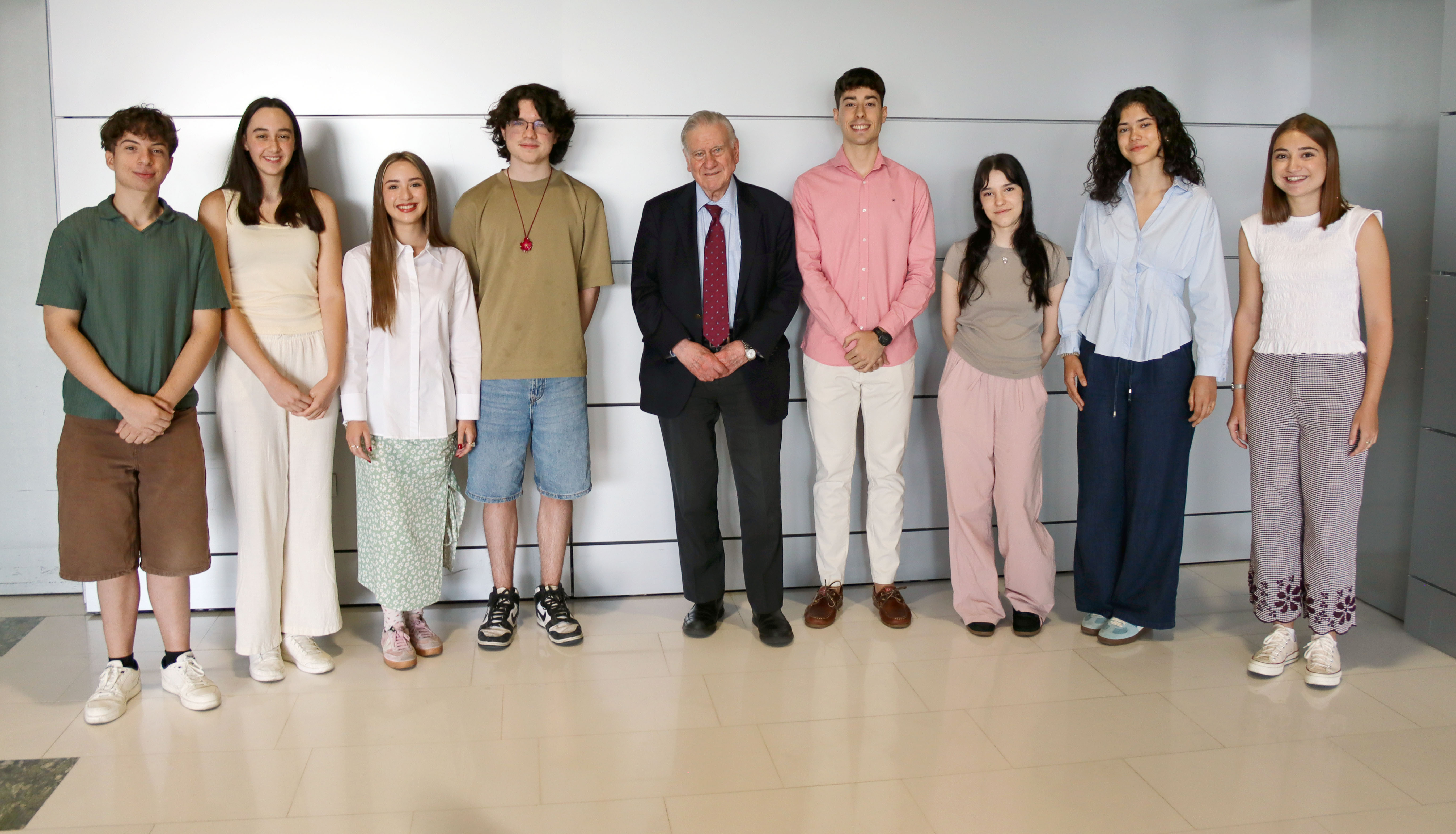 About the CNIC 10 Jul 2026 The aim of the Acércate Programme is to train the brightest young people from a very early age in order to build a pool of outstanding researchers in the field of cardiovascular research |
- 1 of 32
- next ›