CNIC adds an automated platform to isolate and expand CRISPR/Cas9-edited pluripotent cells


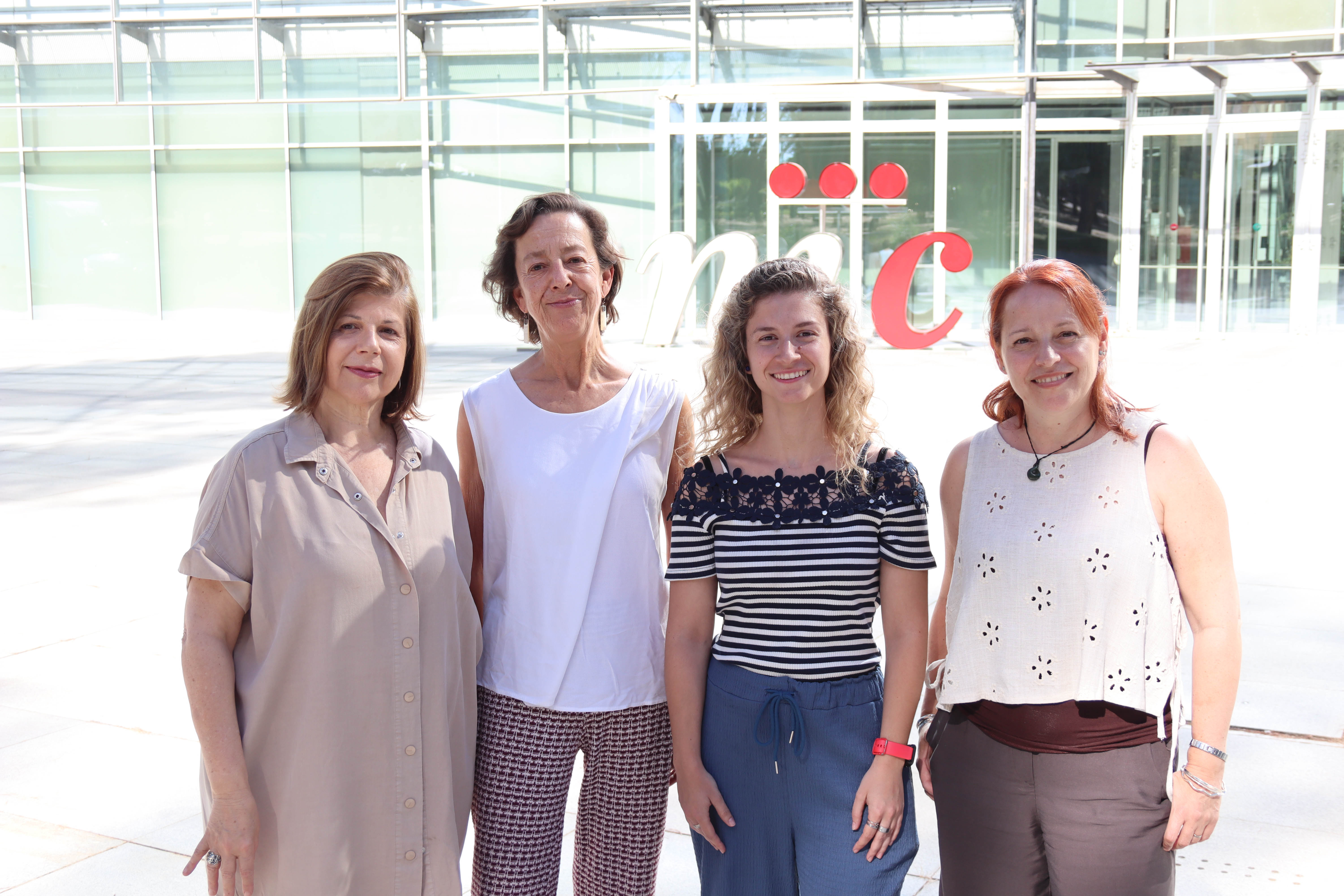
The new equipment will facilitate work with mouse embryonic stem cells and human induced pluripotent stem cells (hiPSCs), fundamental tools for developing experimental models of cardiovascular disease
The Spanish State Research Agency (AEI), part of the Ministry of Science, Innovation and Universities, has awarded the Centro Nacional de Investigaciones Cardiovasculares Carlos III (CNIC) funding to acquire a new cloning platform for cell isolation, analysis, and clonal expansion. The grant, awarded under the 2025 call for the acquisition of scientific and technical equipment, has an eligible budget of €183,730, with associated European Regional Development Fund support of €73,492.
Led by Giovanna Giovinazzo, head of the CNIC Pluripotent Cell Technology Unit, the grant will fund an automated platform for the isolation and clonal expansion of pluripotent cells. The platform will speed up the generation of genetically modified cell lines using gene-editing technologies such as CRISPR/Cas9. It will also yield genetically homogeneous, stable cell clones after CRISPR/Cas9 editing, and will improve experimental reproducibility, the traceability of results, and the quality control of procedures.
The new equipment will facilitate work with mouse embryonic stem cells and hiPSCs, fundamental tools for developing experimental models of cardiovascular disease, Giovinazzo explains.
The platform incorporates an automated system that can isolate single cells, verify their monoclonality by optical and fluorescence microscopy, and monitor cell growth in real time. The system can then automatically transfer selected cell colonies to culture plates for subsequent analysis.
The equipment will support CNIC research groups and strengthen the CNIC’s capabilities in biotechnology and translational cardiovascular medicine.
Adding the platform will accelerate the development of advanced cell models for studying cardiovascular diseases and for exploring new therapeutic strategies based on gene editing and personalized medicine.