CNIC-led project advancing a new ant-cancer strategy selected for the CRIS Excellence Program


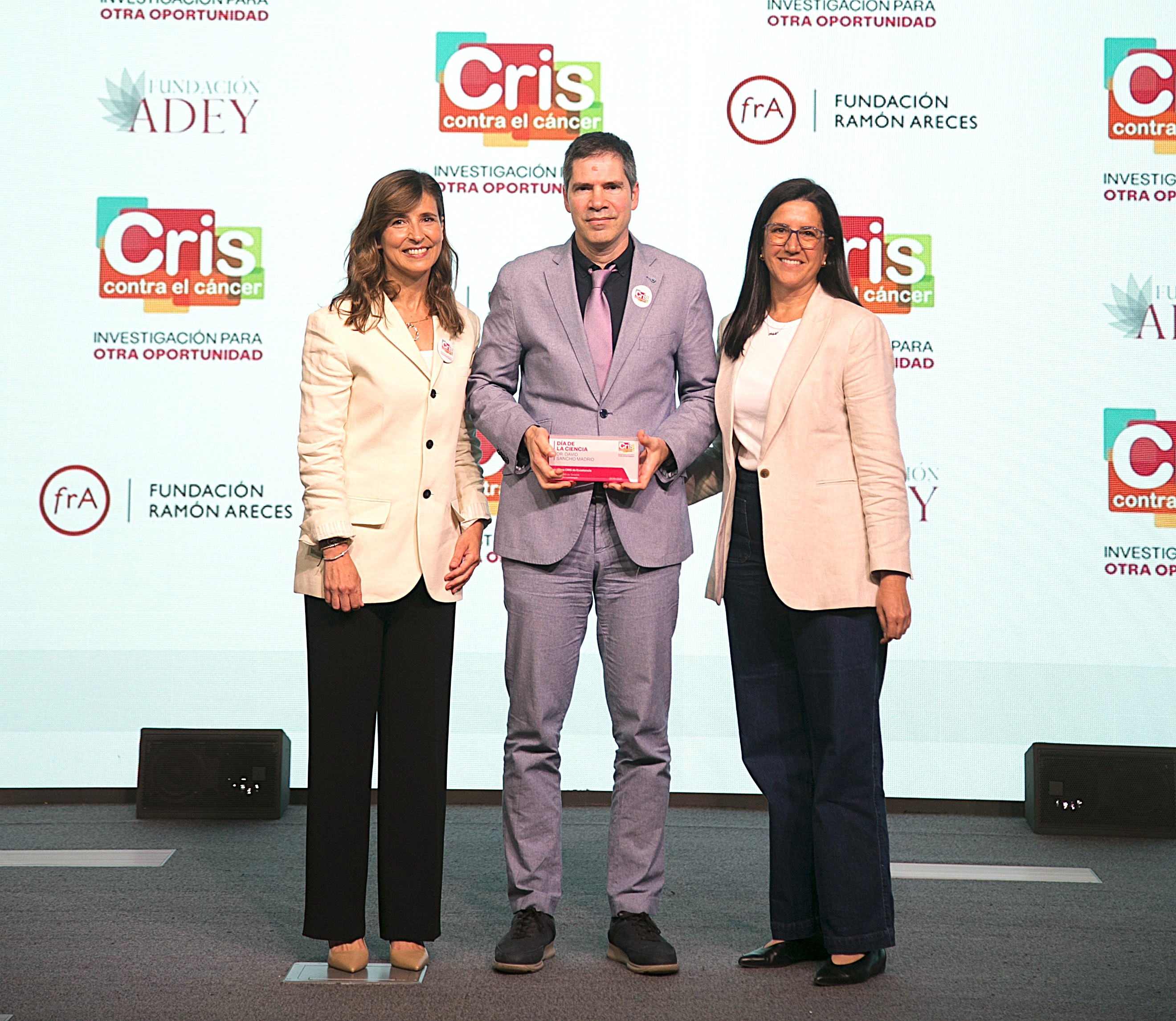
TARGET-DC, CNIC initiative led by Dr. David Sancho aims to identify novel immune checkpoints in dendritic cells to advance T-cell activation.
An innovative project led by David Sancho at the Centro Nacional de Investigaciones Cardiovasculares (CNIC) has been selected for the CRIS Excellence Programme, awarded by the Fundación CRIS Contra el Cáncer. The project opens a new avenue in cancer research by focusing on the key role of dendritic cells in the antitumor immune response.
The project, named TARGET-DC, aims to identify new “immune checkpoints” in dendritic cells, a cell type essential for activating T-cell responses against tumors. “This approach represents a shift from current therapies, which have focused primarily on targeting T cells,” explains Dr. Sancho.
The CRIS Excellence Program supports researchers developing high-impact, potentially transformative projects and provides funding of €1.25 million over five years.
Over the past decade, immunotherapy—particularly through immune checkpoint blockade—has transformed cancer treatment. However, a substantial proportion of patients do not respond to these therapies. “This project directly addresses this limitation by exploring new mechanisms that could enhance the effectiveness of existing treatments,” says Dr. Sancho, who leads the CNIC Immunobiology Laboratory.
Recent research indicates that dendritic cells not only initiate immune responses but also regulate their intensity through specific molecular pathways. TARGET-DC seeks to identify the previously uncharacterized molecules involved and evaluate their potential as therapeutic targets to enhance antitumor responses.
The project will combine advanced genomic analysis, experimental studies in animal models, and research in human sample. These approaches will be harnessed to identify novel regulatory molecules in dendritic cells, analyze their interactions with T cells, and develop antibodies capable of modulating these interactions to boost antitumor immunity.
According to Dr. Sancho, this strategy will enable progression from basic discovery to preclinical validation, with the ultimate goal of developing new therapeutic approaches against cancer.
TARGET-DC could have substantial clinical impact, particularly for patients who do not respond to current therapies. By acting at early stages of immune activation, it could improve the efficacy of immunotherapy, prevent tumor progression and relapse, and open new avenues for personalized treatment.
The project also includes plans to generate patents and work with pharmaceutical industry partners to facilitate the translation of these findings into clinical practice.
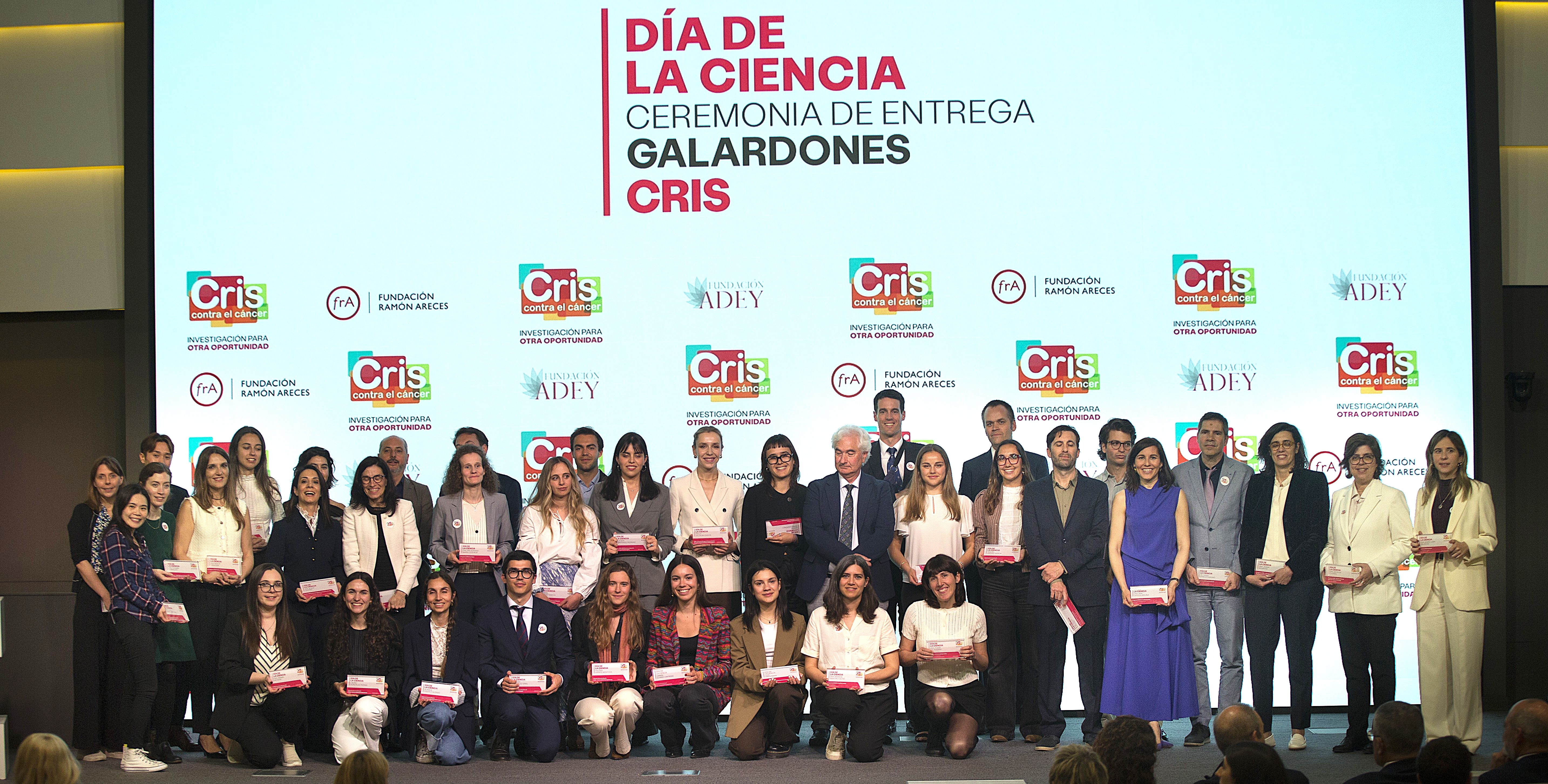
The award ceremony for the “CRIS Research Programmes” took place during the 3rd International CRIS Symposium, held to mark “CRIS Science Day” 2026.