News search
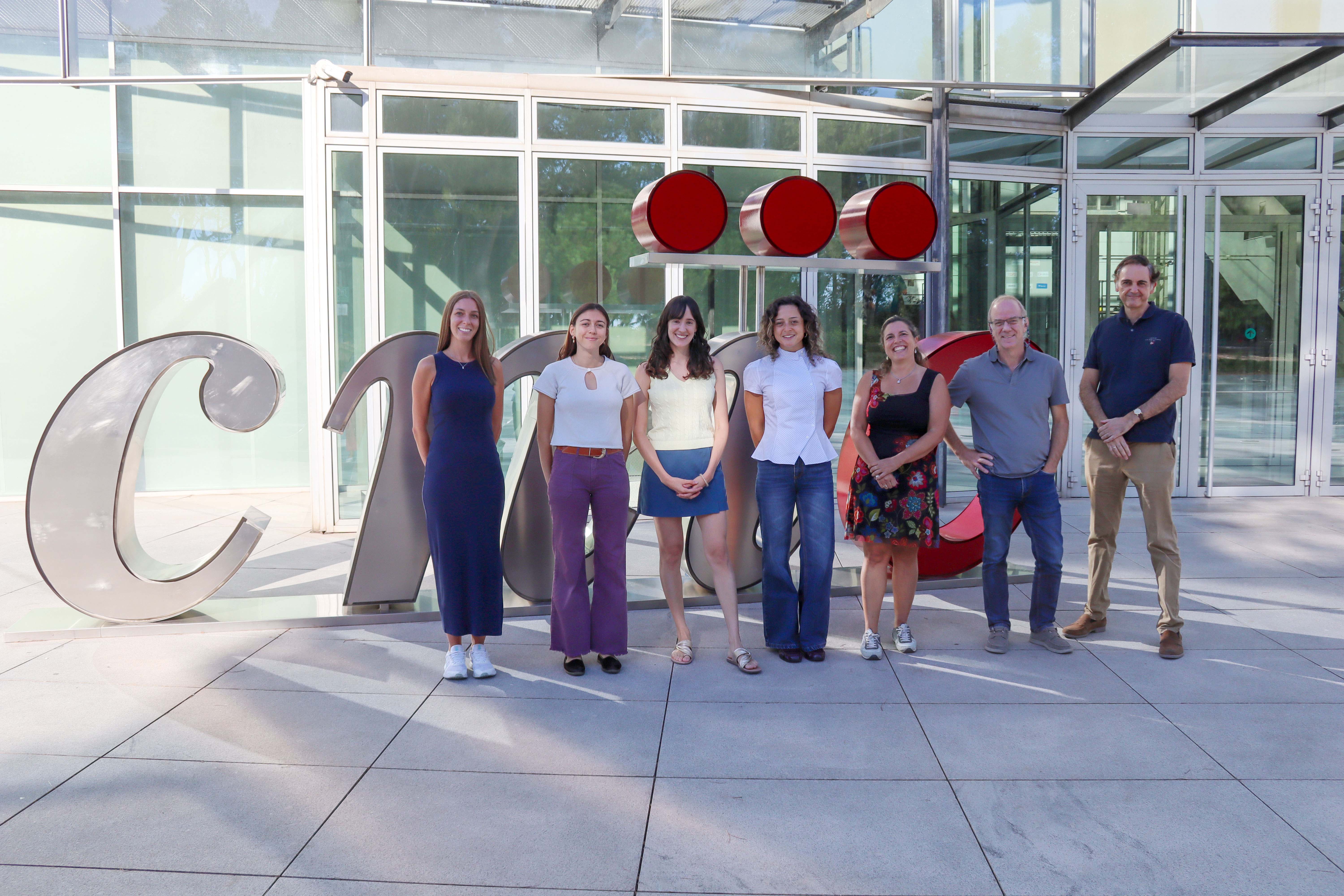 About the CNIC 1 Oct 2026 The finding, published in Cardiovascular Research, lays the groundwork for specific treatments for heart failure with preserved ejection fraction |
 Research 11 Sep 2026 A new study, published in the Journal of the American Heart Association, shows that individuals with elevated levels of both proteins have twice the risk of cardiovascular events. |
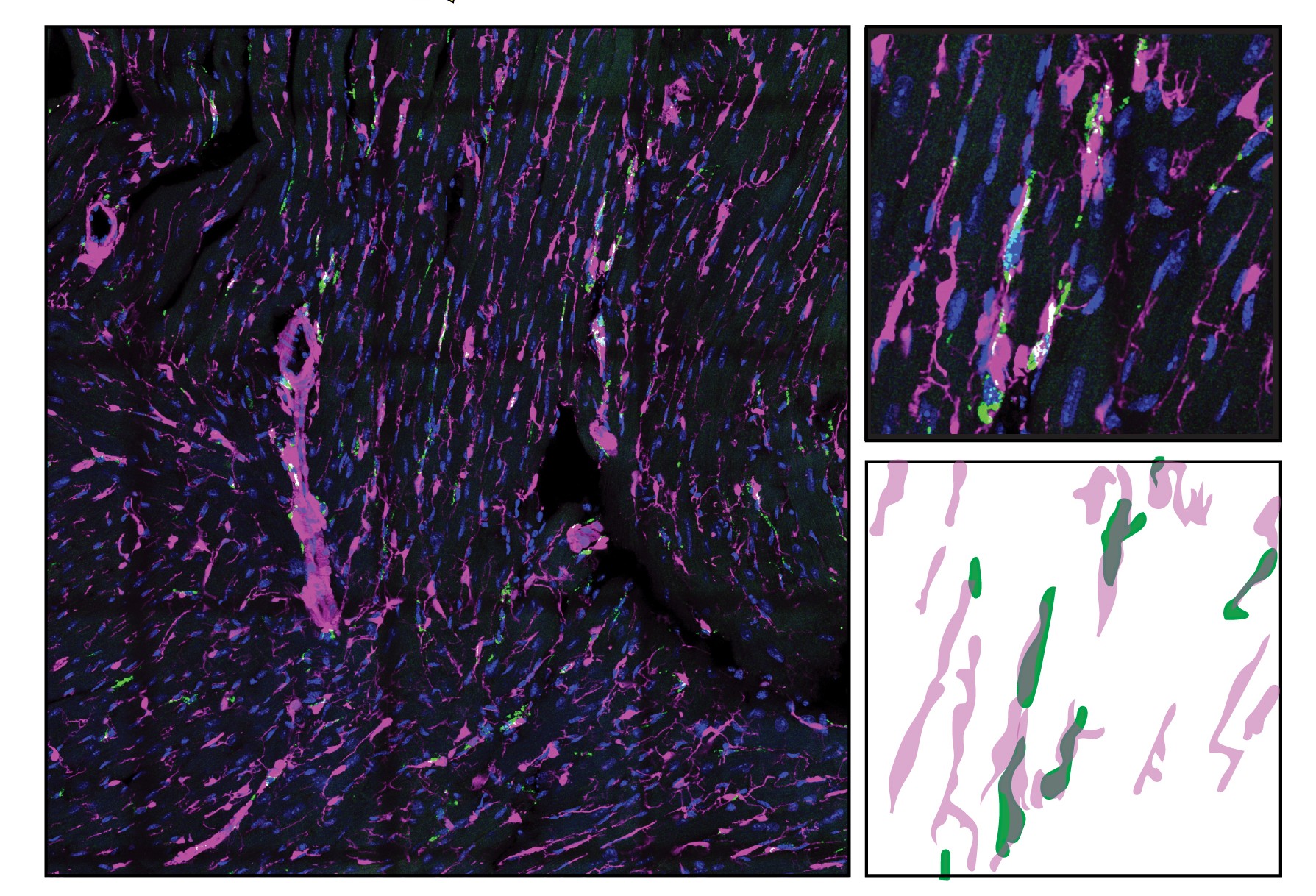 Research 4 Sep 2026 The body's heart muscle (for pumping blood), skeletal muscle (for movement and posture), and brown fat (for heat production), each require a lot of energy and make a lot of waste. And that waste needs to be managed. |
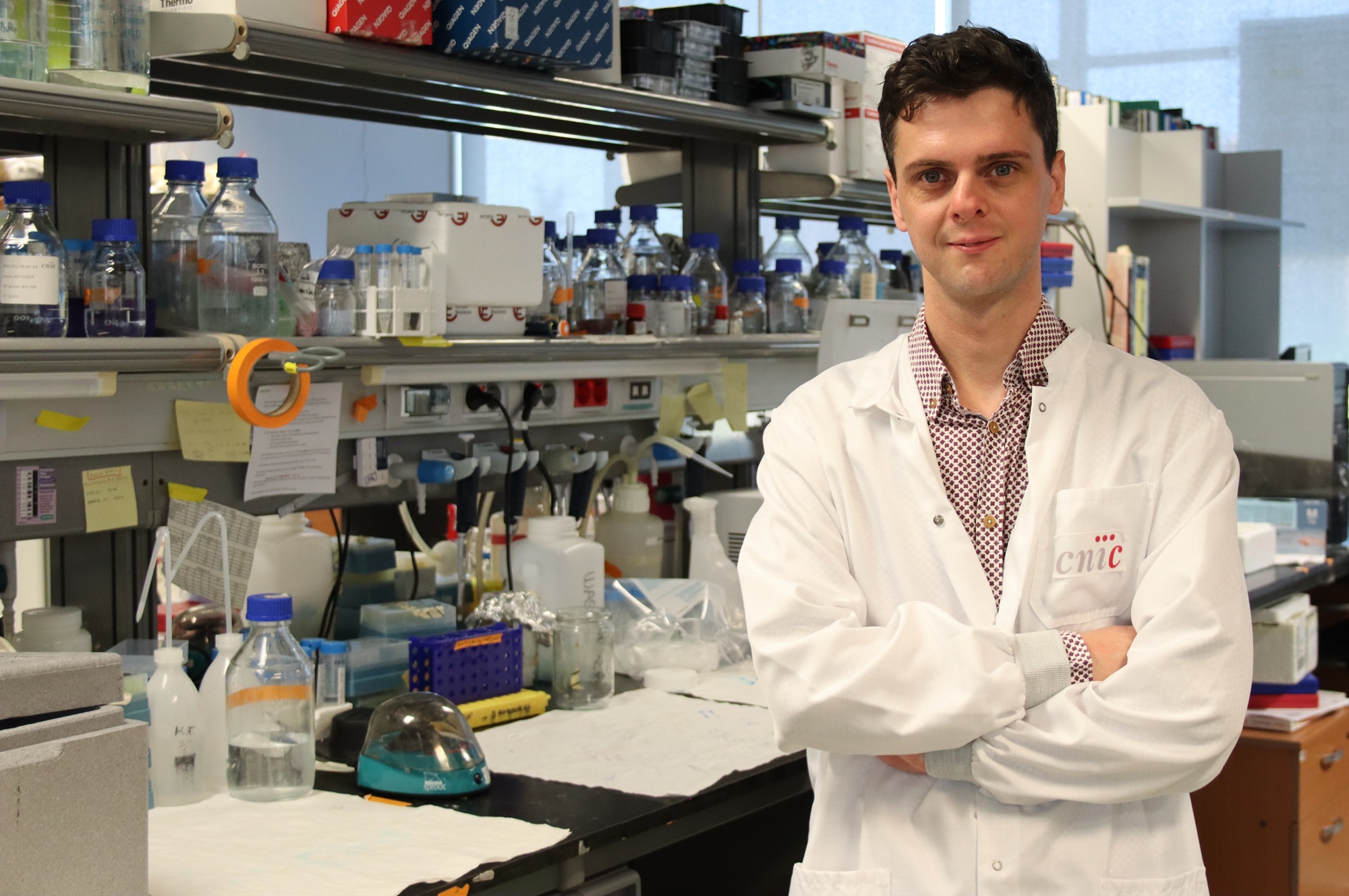 About the CNIC 3 Sep 2026 TROPOSplice proposes an evolution-inspired strategy to improve cardiac relaxation in patients with hypertrophic cardiomyopathy and heart failure with preserved ejection fraction. |
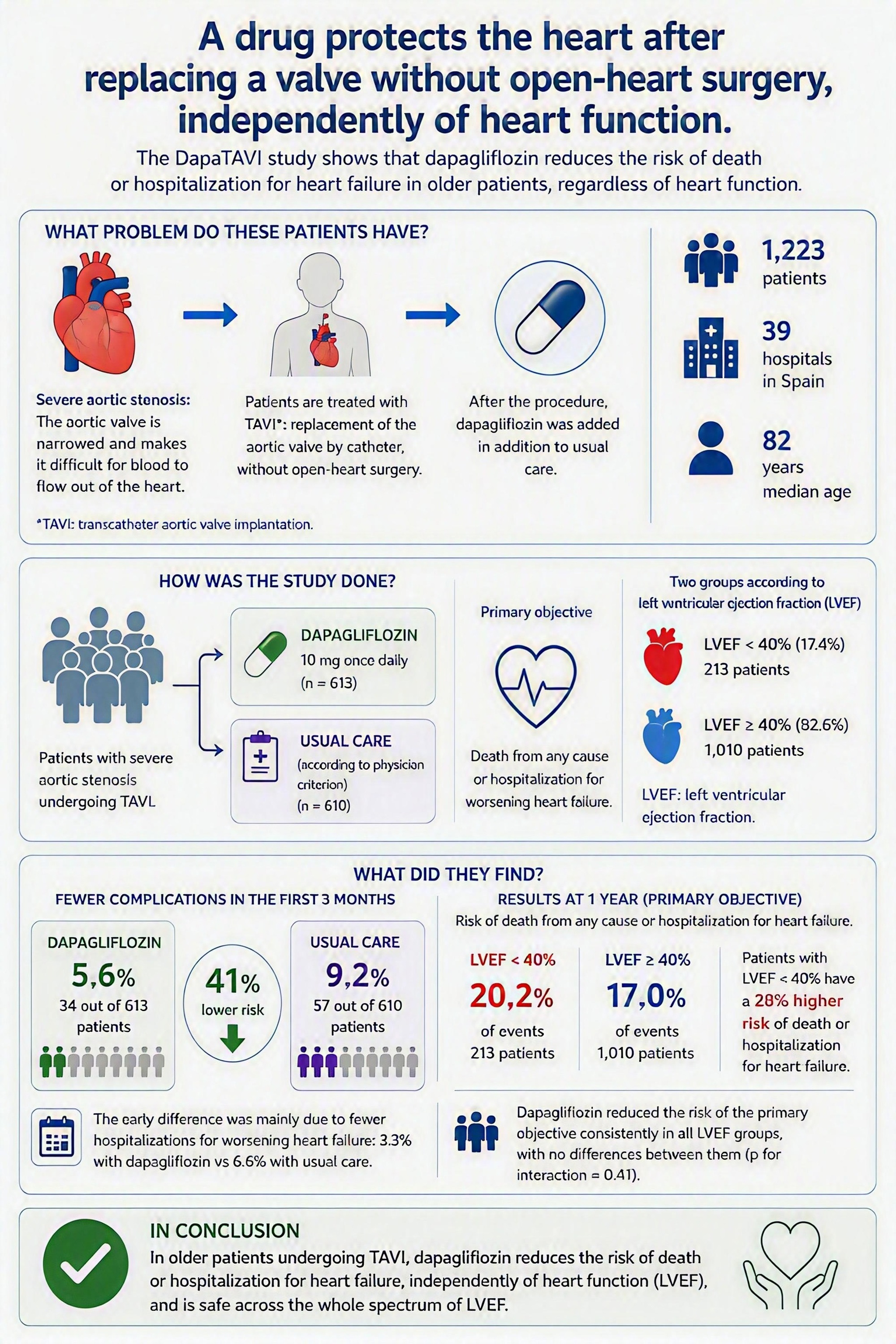 Research 2 Sep 2026 A new analysis of the DapaTAVI trial, published in the European Journal of Heart Failure, confirms that dapagliflozin improves outcomes after TAVI regardless of cardiac function. |
 Research 4 Aug 2026 Left ventricular hypertrabeculation, an anatomical feature of the heart traditionally linked to higher risk, does not worsen outcomes in patients with dilated cardiomyopathy |
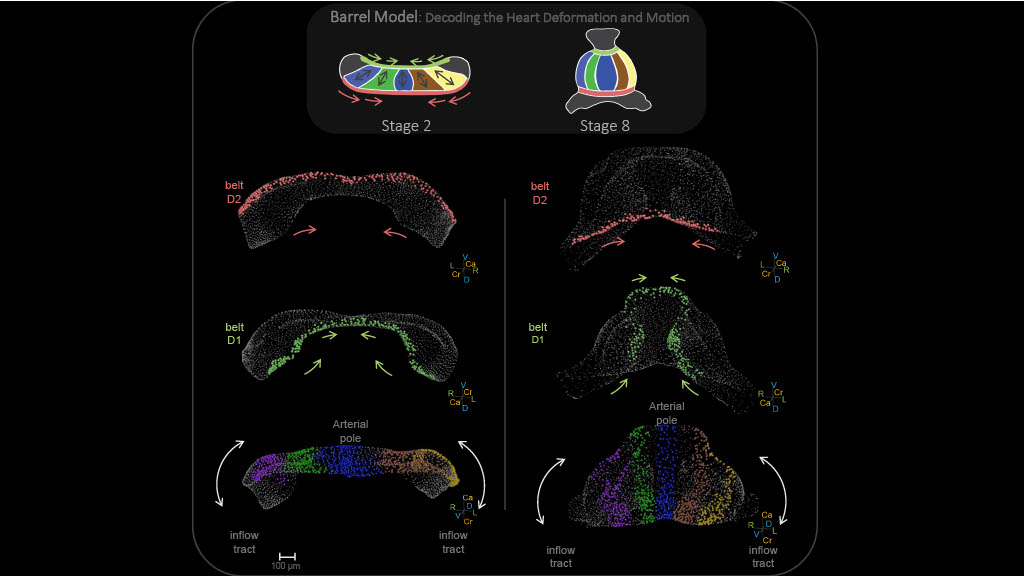 About the CNIC 21 Jul 2026 The study reveals that the early heart is shaped by distinct but closely coordinated patterns of tissue deformation |
 Research 7 Jul 2026 Hypertrophic cardiomyopathy is the most common inherited heart disease and the leading cause of sudden cardiac death in young people and athletes |
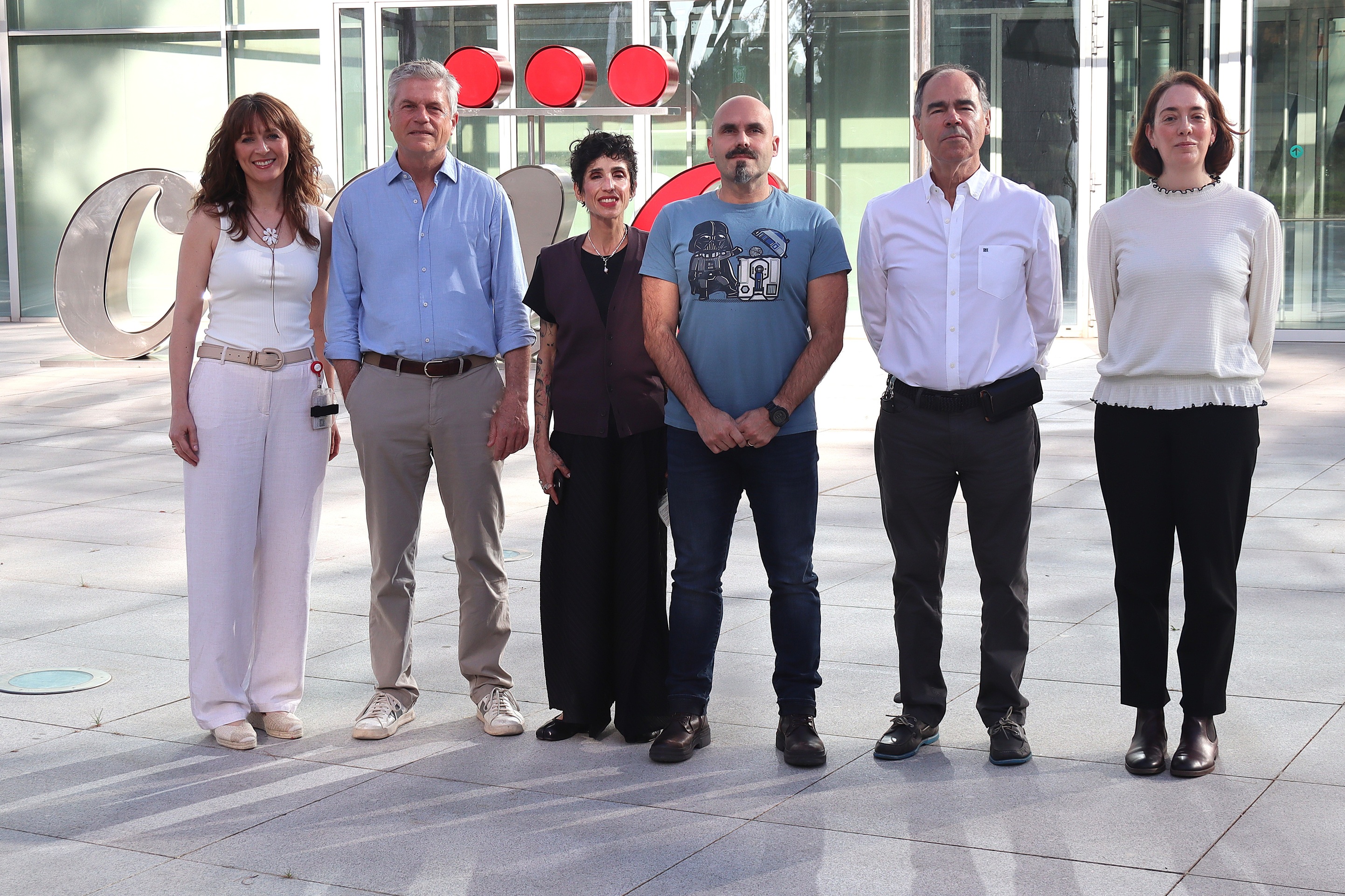 Research 24 Jun 2026 Two CNIC teams have developed a pioneering technique to analyze proteins in individual cardiomyocytes and uncover new clues about cardiac regeneration |
 About the CNIC 23 Jun 2026 CARDIOSWITCH aims to uncover how the mechanical activity of heart muscle cells shapes cardiac biology and to develop new regenerative strategies for congenital heart disease |
- 1 of 11
- next ›