European Heart Journal: Study reveals how high blood pressure increases susceptibility to heart damage caused by a key cancer treatment


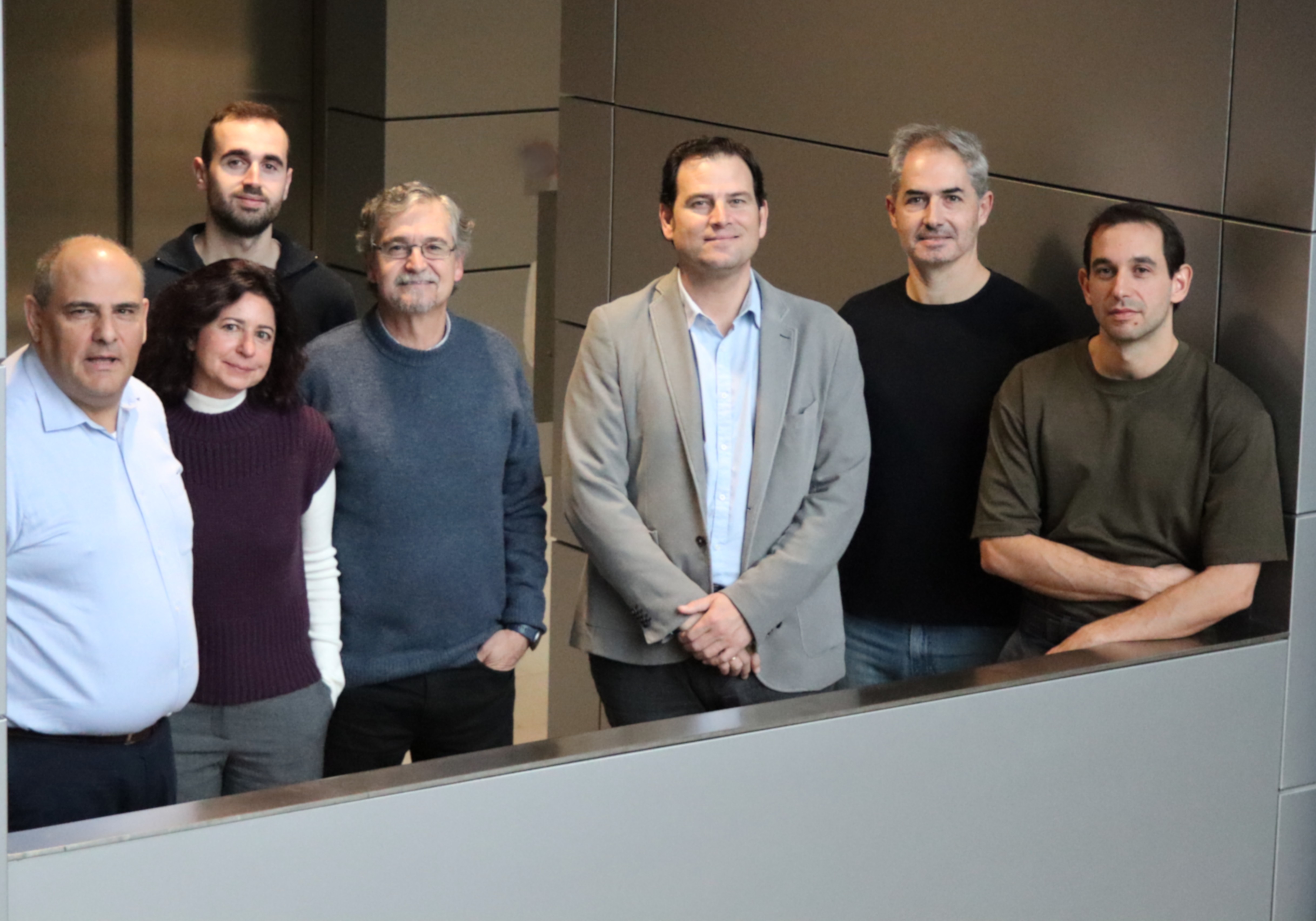
A CNIC research team has identified for the first time the biological mechanism underlying this susceptibility: high blood pressure creates a hidden metabolic vulnerability in the heart that becomes destabilized when anthracyclines are administered.
Anthracyclines are among the most widely used chemotherapy drugs and have been a mainstay of cancer treatment for more than 30 years. Their extraordinary efficacy against numerous solid and hematologic tumors means that they remain first-line drugs today, administered alone or in combination with other therapies. Anthracyclines continue to be the cornerstone of treatment for cancers such as lymphomas, leukemias, sarcomas, gastric cancer, and several subtypes of breast cancer.
Despite their enormous therapeutic value, anthracyclines have a well-known adverse effect: they are cardiotoxic, causing specific cardiac injury in a small proportion of treated patients. This damage can progress to chronic heart failure, affecting approximately 5% of cancer survivors who receive these therapies. In Europe alone, this translates into more than a million people living with heart failure as a late consequence of a treatment that earlier cured their cancer.
Epidemiological studies have shown that patients with pre-existing cardiovascular conditions—such as high blood pressure, diabetes, obesity, or high cholesterol—have a significantly higher risk of developing cardiotoxicity after receiving anthracyclines. Of all these conditions, high blood pressure is most consistently associated with increased risk.
“We have known for years that high blood pressure increases the risk of anthracycline-induced cardiotoxicity, but we had no idea about the underlying mechanism,” explains Centro Nacional de Investigaciones Cardiovasculares Carlos III Scientific Director Dr. Borja Ibáñez, a cardiologist at Fundación Jiménez Díaz, group leader at CIBERCV, and principal investigator on this study published in European Heart Journal.. “That lack of understanding prevented the development of specific preventive strategies.”
A perfect storm
In this new study, conducted at the CNIC in a highly human-like experimental model, the team induced chronic pressure overload in the heart—equivalent to high blood pressure—for several months before administering an anthracycline regimen comparable to that used in clinical oncology.
The results were conclusive: animals with prior pressure overload developed heart failure far more frequently than those exposed only to anthracyclines. They also had higher mortality and worse overall outcomes, faithfully reproducing human epidemiological observations.
Dr. Carlos Galán-Arriola, first author of the study and a researcher in the Translational Laboratory for Cardiovascular Imaging and Therapy led by Dr. Ibáñez, highlights the importance of the integrative approach used: “We observed that neither high blood pressure nor anthracyclines alone are sufficient to cause severe heart damage. But when they coincide, they trigger a perfect storm. What is truly novel is that we identified a silent, pre-existing metabolic vulnerability that becomes evident only when the heart faces the added stress of anthracyclines.”
Mechanistically, the team showed that chronic hypertension produces a latent energy fragility: it impairs the heart’s ability to adapt to metabolic demands, reduces energy flexibility, and creates a state of “limited reserve,” still compensated thanks to apparently normal mitochondrial function.
When anthracyclines—known to directly damage mitochondria—are administered, this compensation collapses, precipitating functional deterioration of the heart. In a final phase, the study explored a possible preventive strategy using mavacamten, a selective myosin inhibitor used in hypertrophic cardiomyopathy. In in vitro experiments, mavacamten prevented anthracycline-induced heart damage under pressure overload conditions.
“If these results are confirmed in clinical studies, we could be looking at the first therapy specifically aimed at preventing this serious complication in individuals with high blood pressure,” says Dr. Ibáñez.
Cardio-oncology and preventive cardiology
The study has direct implications for cardio-oncology and preventive cardiology. It was carried out using highly translational techniques such as advanced magnetic resonance imaging, MR spectroscopy, PET, and molecular analyses, enabling rapid transfer to the clinical setting.
Dr. Valentín Fuster underscores the broader clinical significance of the finding: “This study represents a fundamental advance: identifying vulnerability before clinical damage is the type of anticipatory medicine we need to pursue. Personalized prevention based on mechanisms is the future of modern cardiology.”
The study was funded by the European Commission (ERC), the Spanish Ministry of Science and Innovation, the “la Caixa” Foundation, and the Community of Madrid through the Madrid Network for Nanomedicine in Molecular Imaging.
The CNIC, through its Myocardial Homeostasis and Cardiac Injury Program, investigates the cardiovascular toxicity of cancer treatments—particularly anthracycline-induced damage—with the aim of developing effective and safe therapies. The group led by Dr. Ibáñez coordinates European projects such as the ERC Consolidator Grant MATRIX and the Horizon 2020 Health project RESILIENCE, in collaboration with Fundación Jiménez Díaz University Hospital and CIBERCV, with the goal of reducing heart failure among cancer survivors.