News search
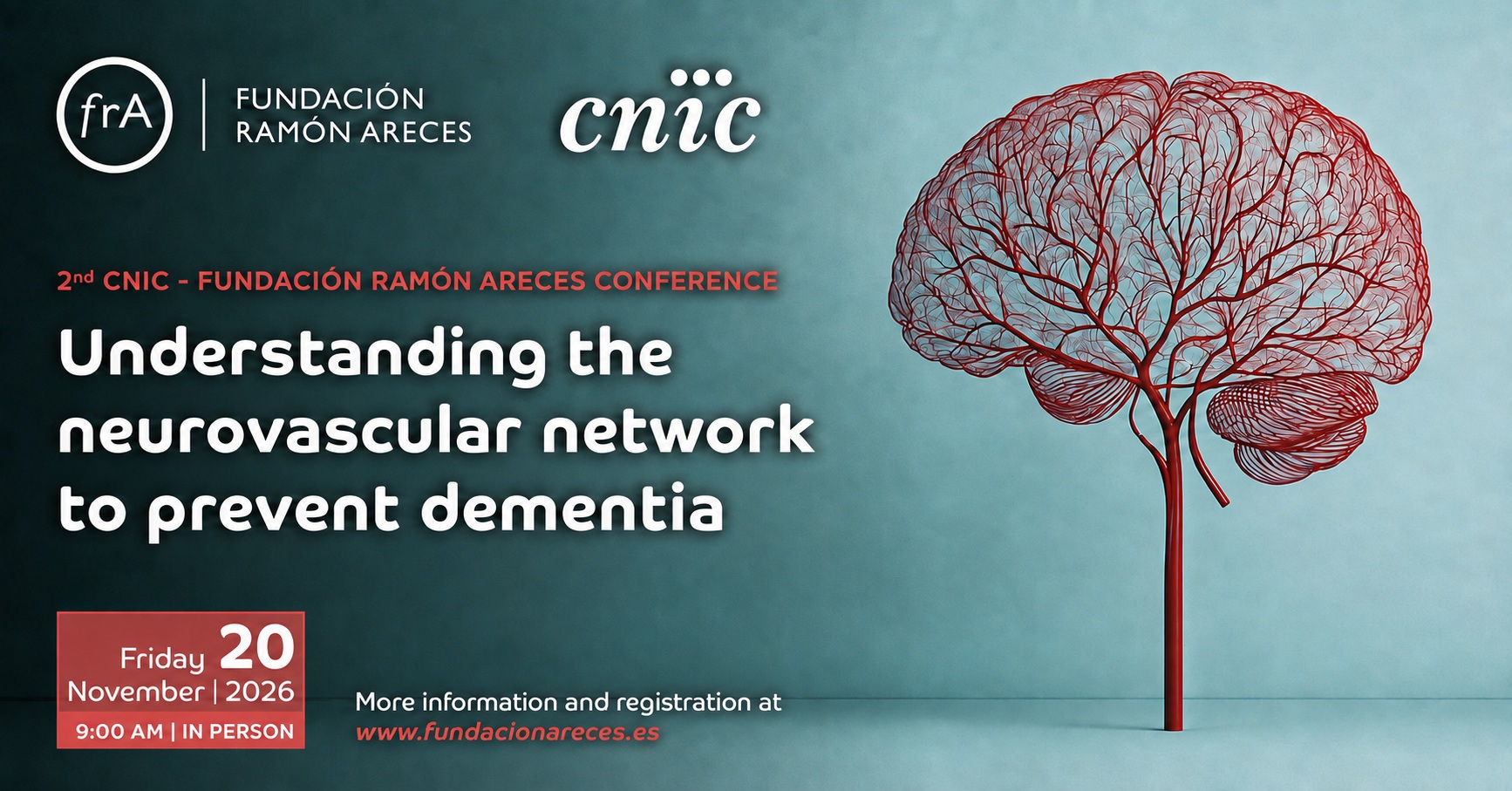 About the CNIC 4 Sep 2026 The conference “Understanding the Neurovascular Network to Prevent Dementia” will bring together leading international experts to address the role of vascular health in preventing cognitive decline and dementia |
 About the CNIC 3 Sep 2026 TROPOSplice proposes an evolution-inspired strategy to improve cardiac relaxation in patients with hypertrophic cardiomyopathy and heart failure with preserved ejection fraction. |
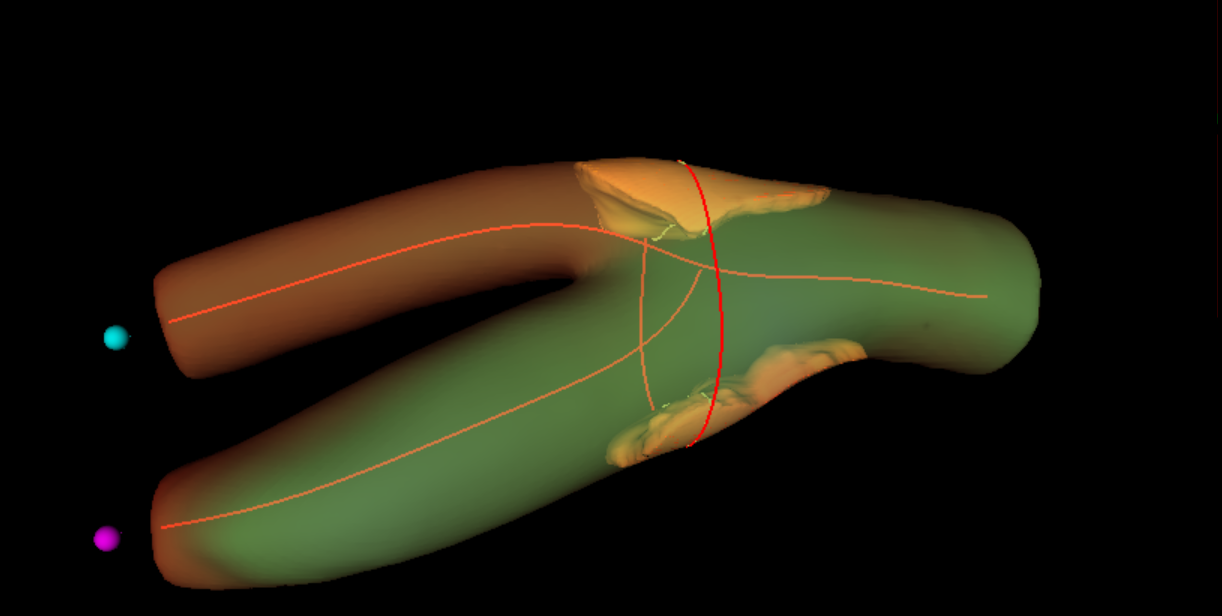 Research 29 Aug 2026 The research, presented in a Hot Line session at the European Society of Cardiology Congress in Munich and published simultaneously in The New England Journal of Medicine, proposes a paradigm shift towards prevention based on early detection through vascular imaging |
 |
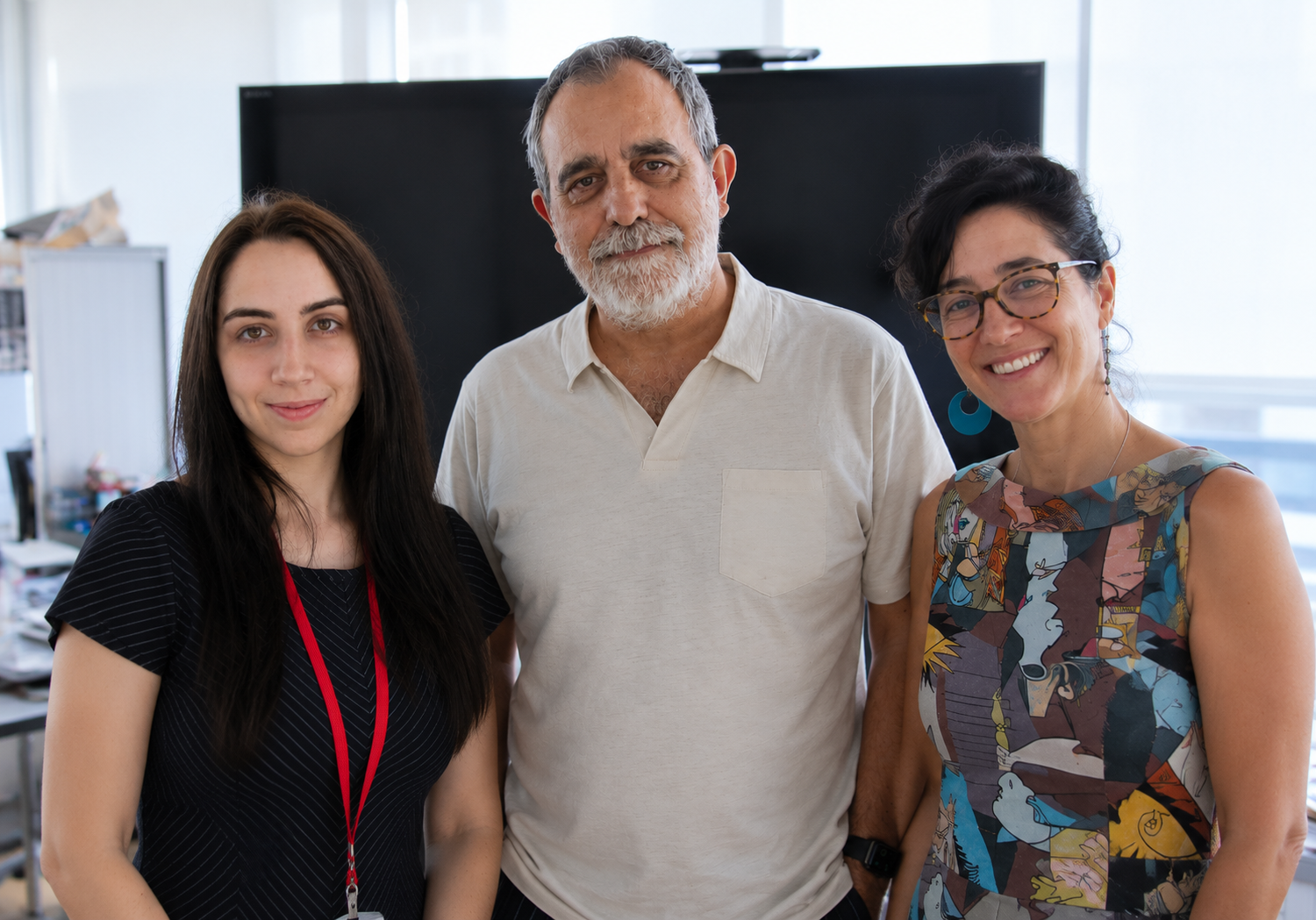 Research 6 Aug 2026 The protein, OMA1, delays immune-system overactivation, liver fibrosis, and liver cancer during aging |
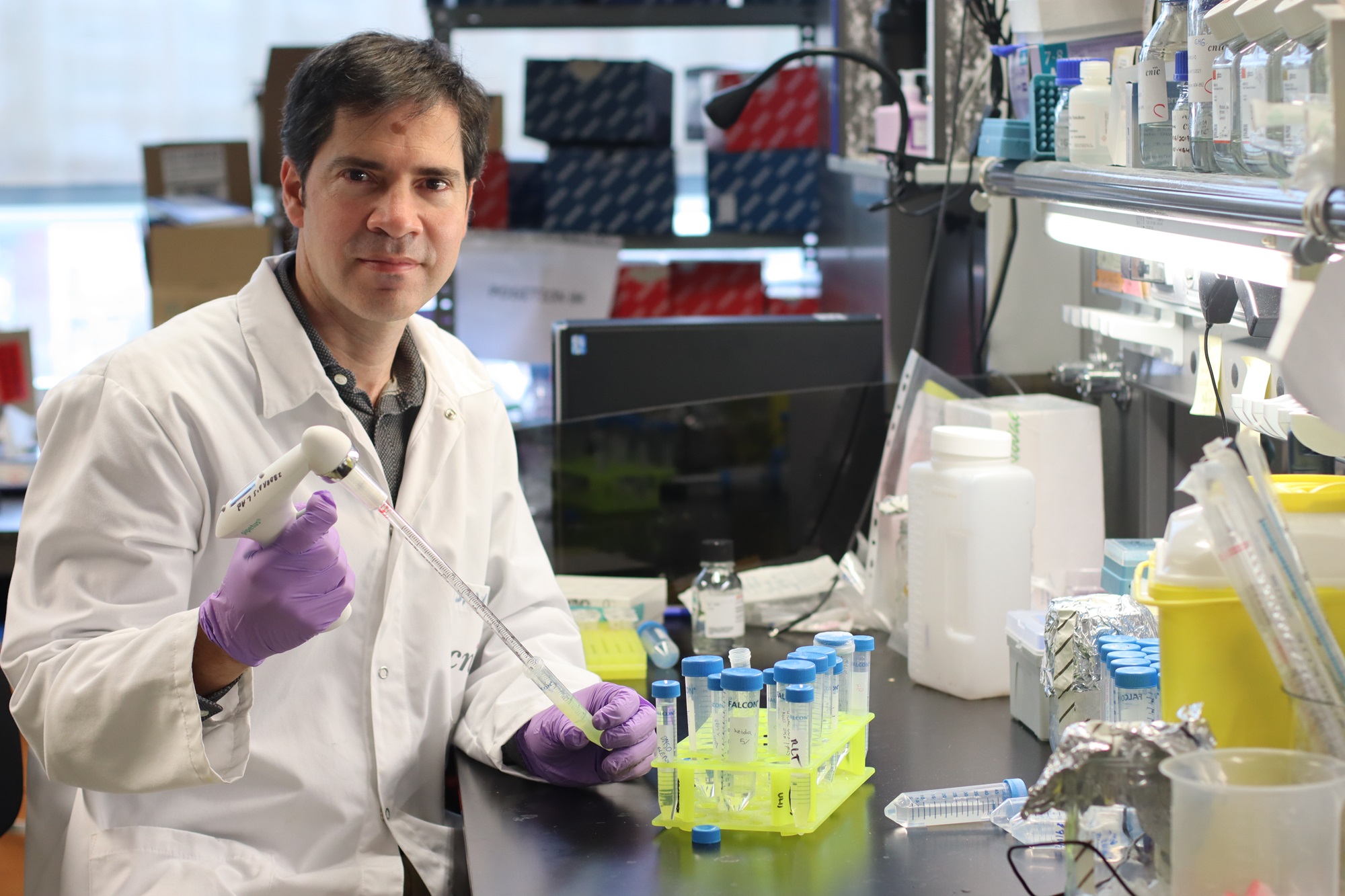 About the CNIC 20 Jul 2026 The Foundation recognises the pioneering research into the link between gut microbiota and cardiovascular disease led by David Sancho at the CNIC |
 About the CNIC 15 Jul 2026 The young Lithuanian researcher was recognised for a project on new molecular targets for the antiviral treatment of intestinal infections |
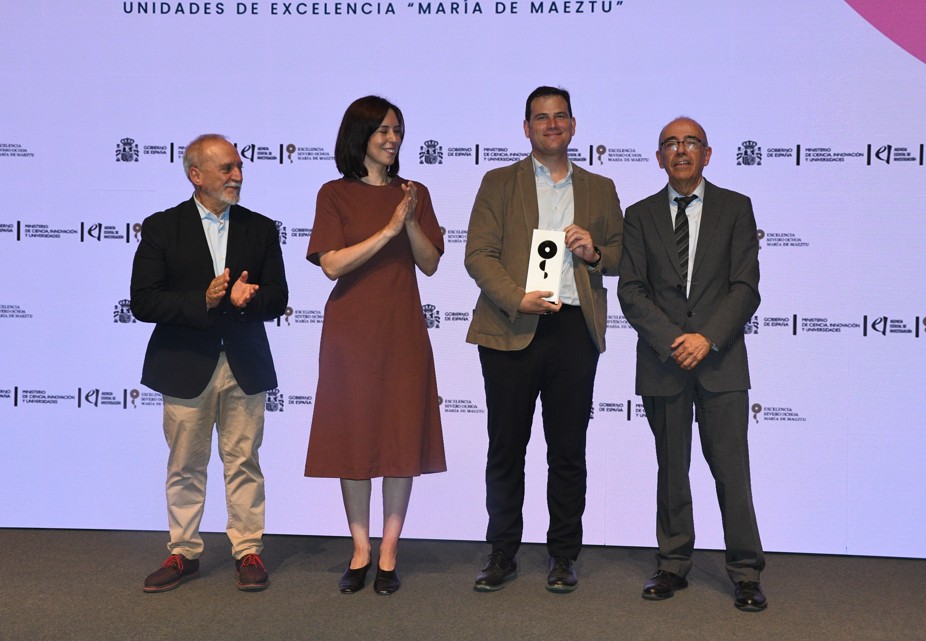 About the CNIC 13 Jul 2026 |
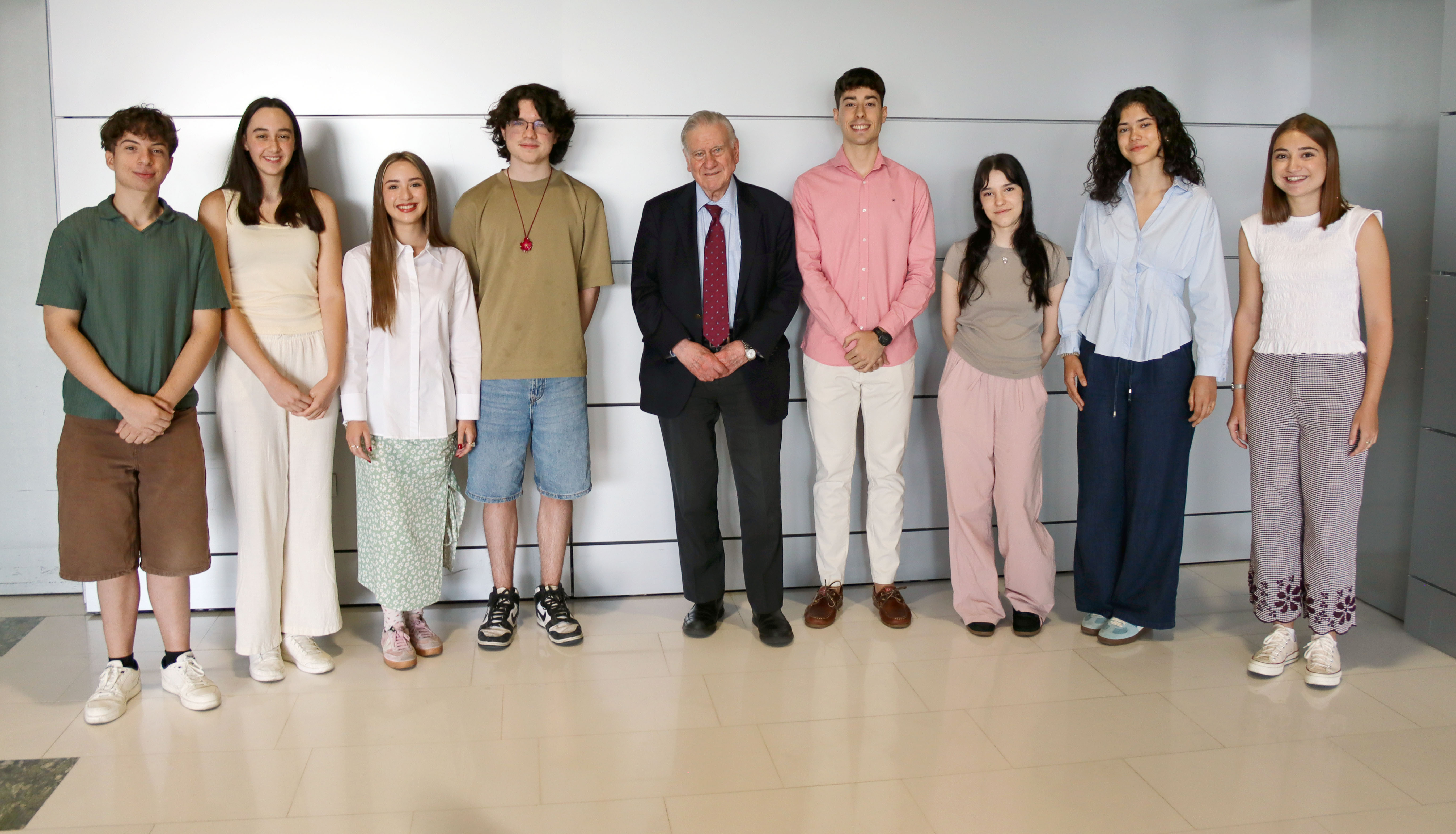 About the CNIC 10 Jul 2026 The aim of the Acércate Programme is to train the brightest young people from a very early age in order to build a pool of outstanding researchers in the field of cardiovascular research |
 |
- 1 of 41
- next ›