Cardiovascular Research: Obesity activates a specific mechanism that impairs heart relaxation


The finding, published in Cardiovascular Research, lays the groundwork for specific treatments for heart failure with preserved ejection fraction
A study led by the Centro Nacional de Investigaciones Cardiovasculares Carlos III (CNIC) has identified glucocorticoid receptor activation as a causal mechanism of early obesity-associated diastolic dysfunction. The finding, published in Cardiovascular Research, opens the door to treatments tailored to the molecular origin of this form of heart failure.
Heart failure with preserved ejection fraction (HFpEF) now accounts for more than half of all heart failure cases and is estimated to affect nearly 23 million people worldwide. In this condition, the heart retains its ability to contract but has difficulty relaxing and filling properly with blood.
HFpEF is closely linked to conditions such as obesity, hypertension, hyperglycemia, and sleep apnea. These conditions frequently coexist in the same patient, making it difficult to determine which mechanisms each one activates and why treatments do not produce the same response in all patients.
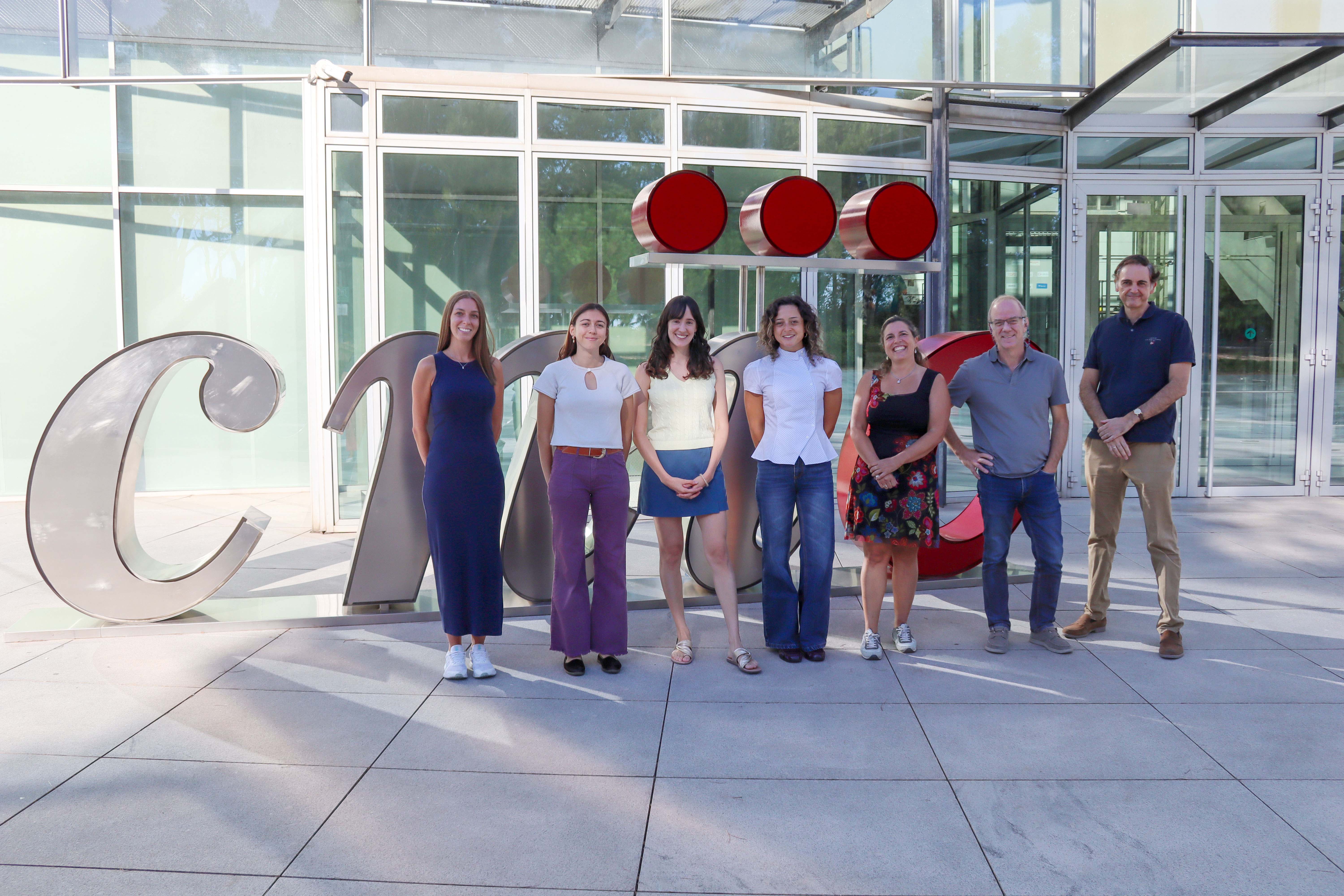
The study, led by Dr. Enrique Lara-Pezzi, head of the CNIC's Molecular Regulation of Heart Failure group, examined the early effects of these four comorbidities on the heart separately.
The team used mouse models that reproduced the age-related progression of the disease. Cardiac tissue was analyzed during the earliest stages of impaired ventricular relaxation, before heart failure had developed.
Using single-nucleus RNA sequencing, a technology that reveals gene activity across different cell types, the researchers analyzed nearly 50,000 nuclei from the left ventricle.
According to first author and CNIC researcher Antonella Ausiello, the results show that obesity and hyperglycemia drive more intense and extensive molecular remodeling than other factors, with changes across multiple cardiac cell types: cardiomyocytes, fibroblasts, endothelial cells, and macrophages.
Hypertension and chronic intermittent hypoxia, used to model sleep apnea, produced more moderate changes.
In the obesity models, the team identified glucocorticoid receptor activation as one of the principal mechanisms responsible for cardiac damage
However, despite sharing some effects, obesity and hyperglycemia do not damage the heart in the same way.
In the obesity models, the team identified glucocorticoid receptor activation as one of the principal mechanisms responsible for cardiac damage. This causal relationship was confirmed through several intervention strategies: reversing obesity through dietary change, directly inhibiting the receptor with the drug mifepristone, and overexpressing the molecule GAS5 all restored cardiac function.
The authors note that these results indicate that activation of this receptor constitutes a specific, modifiable therapeutic target in obesity-associated diastolic dysfunction.
In the hyperglycemia models, however, inhibiting this same pathway was not sufficient to restore cardiac function, providing evidence that each comorbidity drives cardiac damage through distinct molecular mechanisms. The implication is, as Dr. Lara-Pezzi puts it, that "no single therapeutic strategy applies to all patients."
The authors argue that these data support the development of stratified medicine strategies, targeting the dominant molecular mechanism in each patient.
They caution, however, that the findings were obtained in experimental models and will need to be confirmed in human samples and clinical studies before any therapeutic application can be considered.
The study also involved researchers from the Gregorio Marañón Health Research Institute (IiSGM), the Spanish cardiovascular research network (CIBERCV), Puerta de Hierro Majadahonda University Hospital and its research institute IDIPHIM, the Biomedical Research Institute of Murcia (IMIB-Arrixaca), and the University of Murcia.
The study was funded by the European Innovation Council's Pathfinder Cardiogenomics program (DCM-NEXT project, 101115416), and by projects PID2021-124629OB-I00, TED2021-129774B-C22, and PLEC2022-009235, funded by MICIU/AEI, the European Union–NextGenerationEU/PRTR, and the ERDF.